
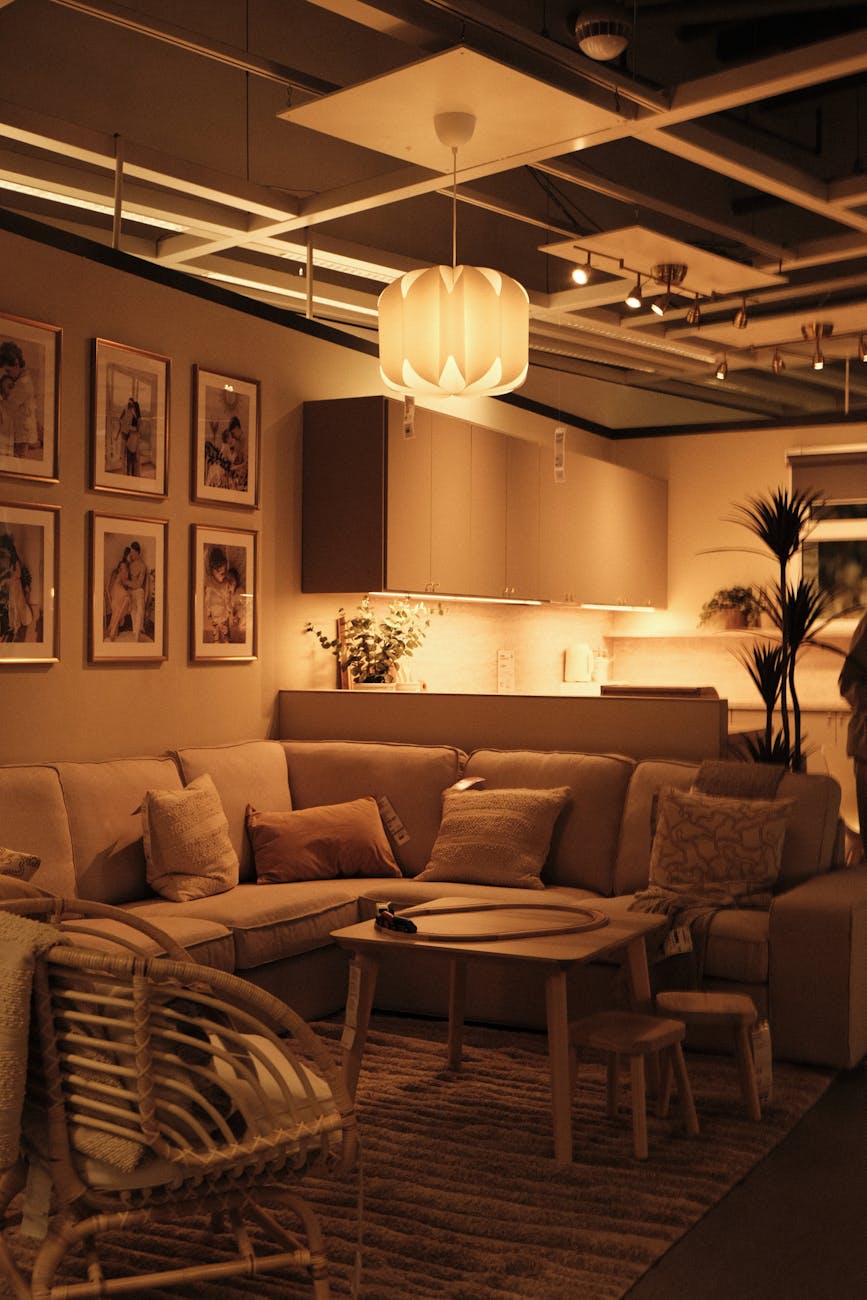
Mastering Ambient Lighting for a Cozy Living Room
The atmosphere of a living room is not merely defined by its furniture arrangement; it is fundamentally dictated by the quality and placement of light. We observe from the data that shifting from harsh, singular overhead illumination to layered, intentional lighting creates an immediate psychological shift toward relaxation and intimacy. Achieving true coziness requires understanding how different light sources interact with physical space—how they define zones and influence mood. This process moves beyond simple decoration; it becomes a study in environmental psychology facilitated by illumination.
Ambient lighting living room is the umbrella term for this sophisticated approach, encompassing the strategic deployment of various light temperatures, intensities, and fixtures to craft an enveloping sensory experience. We are not simply turning lights on and off; we are engineering the visual environment. Consider how a single source can flatten a space, creating unflattering shadows and harsh transitions between areas. Conversely, employing multiple sources allows us to introduce depth, texture, and warmth where it is desired.
The Science of Light Temperature and Color
Light temperature, measured in Kelvin (K), acts as the primary dial for emotional response within a space. Warm light, generally below 3000K, stimulates the production of melatonin, signaling the body that it is time to wind down. This effect is critical when designing an ambient lighting living room meant for unwinding. Conversely, cooler light above 4000K promotes alertness and focus, making it unsuitable for evening relaxation.
When integrating various elements, consistency in temperature becomes paramount. If one area uses a very warm amber tone, adjacent areas should maintain a cohesive warmth to avoid visual discordance. We find that mixing starkly different temperatures without careful calibration disrupts the intended ambiance entirely. Experimentation shows that golden hues (around 2700K–3000K) are most effective for creating that deeply cozy, inviting feeling associated with textiles and soft furnishings.
Layering Light Sources: Beyond the Central Fixture
A single overhead fixture fails to address the complex spatial demands of a living room. True coziness emerges from layering—placing light sources at various vertical levels and functional zones. This layered approach allows occupants to modulate the mood instantly, moving between bright activity during the day and soft intimacy in the evening.
We should utilize three primary layers: ambient, task, and accent lighting. The ambient layer provides the general illumination; it is the foundational warmth setting. Task lighting serves specific activities, like reading or crafting; it focuses intensity where needed; and accent lighting highlights architectural features or decorative objects, adding visual interest. Implementing these functions concurrently elevates the perceived quality of the space significantly.
Ambient Lighting: Setting the Foundation
The ambient layer establishes the baseline mood for the entire room. This is typically achieved through diffused light sources. Think about indirect lighting, where light bounces off surfaces rather than striking them directly. Lamps with fabric shades diffuse the light gently, softening any harsh edges that direct illumination imposes. String lights, when used strategically—perhaps draped over a bookshelf or around a window frame—add an organic, magical quality to the space. This technique shifts the focus from functional illumination to atmospheric presence.
Task Lighting: Functionality Meets Comfort
Task lighting addresses specific functional needs. When arranging seating, we must consider how light supports activities like reading or conversation. A floor lamp positioned next to a sofa provides perfect localized illumination for a designated reading spot. For instance, when curating your perfect reading nook, ensuring the light source is directly adjacent yet indirect helps maintain focus without glare. This targeted approach respects the user’s immediate activity while maintaining the room’s overall relaxed tone.
Accent Lighting: Highlighting Texture and Depth
Accent lighting performs the function of drawing the eye to specific focal points within the décor. This mechanism emphasizes the tactile qualities of materials—the rich weave of a velvet throw, the texture of a wooden mantle, or the intricate pattern of an art piece. Using carefully aimed spotlights or strategically placed table lamps achieves this emphasis. When designing a cozy living room, accent lighting works with ambient light to create visual hierarchies; it guides the viewer’s attention through the space, revealing the depth inherent in the décor choices.
Integrating Fixtures for Seamless Flow
The physical integration of these light elements determines whether the layering feels intentional or chaotic. We observe that fixtures must work in concert, respecting ceiling heights and architectural features while achieving desired visual effects. Using dimmers is not merely a convenience; it is an essential mechanism for controlling the dynamic range of the space. A well-implemented dimmer allows occupants to transition smoothly from high energy to low energy without abrupt shifts, maintaining the sense of gradual ease that defines coziness.
When selecting lamps and fixtures, consider the materiality as much as the light output. Brass, matte ceramic, and woven materials naturally absorb and reflect light differently than stark metal or glossy plastic. This material interaction amplifies the warmth generated by the light itself. For example, a lamp with a textured base enhances the soft glow it emits, reinforcing the tactile experience.
Practical Application: Creating Your Sanctuary
To enact this layering process effectively, one must conduct an audit of existing light patterns in the space. Begin by mapping out where natural light enters and where shadows naturally fall throughout the day. Then, introduce your layered sources incrementally. Start with dimmable floor lamps for ambient warmth first. Introduce a soft table lamp for reading tasks. Finally, place accent lighting to highlight chosen decorative anchors.
This iterative process ensures that every added layer contributes positively to the overall sensory experience rather than introducing visual clutter. We see that spaces designed with this consideration feel inherently more restful and welcoming. The goal is to create an environment where light itself functions as a soft, supportive textile layered over the physical space.
Beyond Walls: Textures and Light Synergy
The interplay between illumination and tactile surfaces creates a profound sense of coziness. A room filled with rich textures absorbs and disperses light in a way that flat surfaces cannot; they introduce depth and visual richness. When you combine soft, heavily textured fabrics—think chunky knits or velvet cushions—with warm, low-level lighting, the resulting effect is amplified. The shadows cast by these textiles become deeper and richer, enhancing the sense of enveloping comfort.
This synergy extends beyond the living room walls. Consider how this principle applies to other areas of the home. If you are focusing on creating a cozy home office, incorporating tactile textures alongside carefully managed light temperatures establishes an immediate zone of focused calm. The intentionality applied to lighting must match the intentionality applied to texture. When you curate comfort in your workspace by using soft textiles and warm-toned task lighting, the psychological benefit is substantial.
The deliberate construction of a space demands a holistic approach. We move away from treating light as a purely functional necessity and begin treating it as an active design element capable of modulating mood and memory. Mastering ambient lighting living room involves understanding the physics of color, the psychology of warmth, and the architecture of layered illumination. The result is not just a brightly lit space; it is a deeply cozy sanctuary, built intentionally one soft glow at a time.
Tags: ambient lighting, cozy decor, living room design, mood lighting, home decor, dimmable lights, interior design
Featured Image by Oliver Atherton on Pexels.