
Mastering the Art of Sensory Warmth in Autumn Interiors
When the season shifts toward autumn, the objective for interior design evolves from mere aesthetics to sensory engineering. We are no longer simply decorating a room; we are actively manipulating the environmental experience to elicit feelings of comfort and introspection. This shift requires a deliberate focus on tactile input and light modulation. We observe that human perception correlates physical sensation directly with emotional response; therefore, introducing specific elements allows us to program a feeling of coziness into the spatial environment. Achieving true **cozy autumn decor** involves understanding the mechanisms by which texture and illumination influence our physiological state.
The Mechanics of Texture: Engaging Tactile Sensation
The choice of textiles is perhaps the most direct pathway to establishing warmth. Fabrics do not just cover surfaces; they modulate thermal exchange and tactile feedback simultaneously. Wool, for instance, possesses excellent thermal retention properties due to its crimped fiber structure, trapping air pockets that create an insulating layer against the body’s surface temperature. When we layer these materials—think chunky knits, brushed velvets, or soft cashmere—we are directly increasing the perceived insulation value of the room.
We see this principle clearly when considering how textiles interact with the human body. A smooth, cool surface signals detachment; a heavily textured one signals invitation to rest. Layering textures creates visual depth while simultaneously enriching the physical experience of occupying the space. For instance, layering a heavy knit throw over a smooth linen sofa introduces a dynamic interplay between soft and structured elements. This practice directly leverages the principle discussed in [Layering Textures for a Tactile Cozy Bedroom](https://decorandliving.com/layering-textures-cozy-bedroom/). The resulting effect is a complex sensory immersion, moving beyond simple visual appeal into genuine physical comfort.
We analyze the fiber composition and weave density as critical variables in this equation. Thicker gauge yarns absorb light differently, creating deeper shadows that enhance moodiness, while finer weaves allow light to diffuse more evenly across the surface. Understanding these material properties allows the decorator to select items that actively contribute to the desired ambiance rather than passively occupying space.
Illumination Strategies: Sculpting Ambiance with Light
Light quality dictates the psychological atmosphere of any space. The harshness of direct, cool-toned artificial light immediately negates the goal of coziness. We need to transition away from high Kelvin temperatures and embrace warmer color palettes. Amber and deep gold tones are not merely decorative choices; they function as spectral cues that signal relaxation to the visual system.
Warm amber lighting mimics the low-angle, diffused glow of a fire, triggering primal associations with safety and hearth. When light sources emit lower intensity and longer wavelengths, the shadows soften, eliminating harsh contrasts and fostering a sense of enclosure. This process requires intentional placement of ambient light rather than reliance on singular overhead fixtures. We observe that layering different light temperatures—using strategically placed lamps with dimmers—creates zones of intimacy within a larger room.
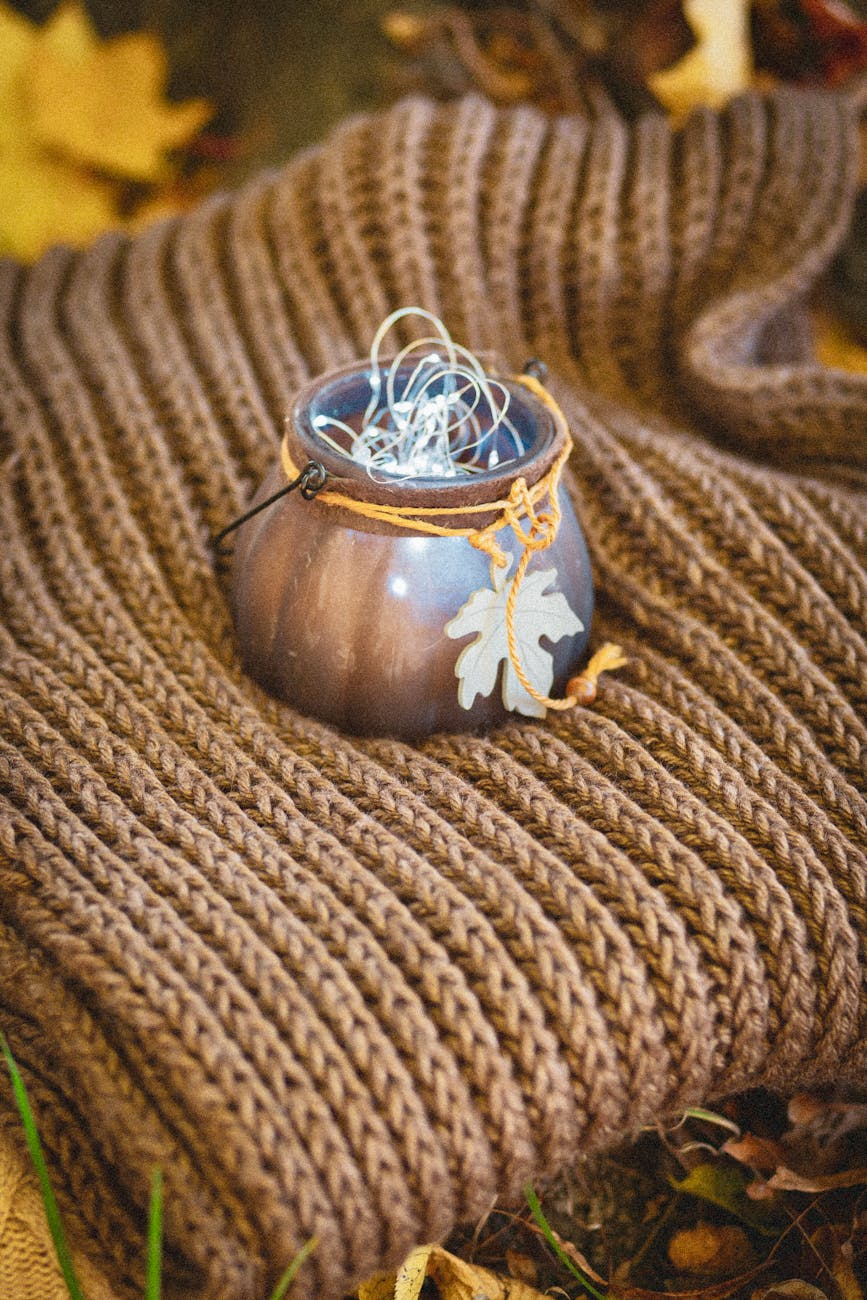
This technique moves beyond simple illumination; it becomes an architectural exercise in mood control. Imagine draping warm light over a stack of knitted blankets, allowing the texture of the fabric to absorb and scatter the light in a gentle manner. This synergistic effect between warm color temperature and soft texture elevates the entire sensory experience. If you are looking to explore similar atmospheric effects using natural elements, researching [Winter Wonderland Decor: DIY Icy & Frosty Ambiance](https://decorandliving.com/winter-wonderland-decor-diy/) reveals how carefully managed light can create immersive, ethereal scenes.
Curating the Autumn Palette: Color Theory in Cozy Spaces
The color story of autumn naturally leans toward earth tones, deep reds, burnt oranges, and rich browns. These hues possess inherent psychological resonance that supports the feeling of grounded warmth. We are utilizing a palette that mirrors the natural transition of the foliage outside the window, bringing that organic richness inside.
When selecting accent pieces—pillows, blankets, candles—we must focus on saturation levels. Muted, deep tones perform better than bright, saturated ones in creating an enveloping effect. Highly saturated colors can feel jarring indoors if not managed carefully; instead, we opt for sophisticated variations of ochre, terracotta, rust, and deep sage green. These colors anchor the visual field, preventing the space from feeling airy or ephemeral.
The interplay between these warm colors and the natural textures we introduced earlier becomes critical. A deep burgundy throw paired with a creamy, ribbed sweater creates a rich, layered composition. This juxtaposition of saturated color against soft texture defines sophisticated coziness, moving it away from overly simplistic or juvenile aesthetics. Our analysis suggests that complexity in color layering enhances the perceived depth of the cozy aesthetic.
Integrating Lighting and Texture: The Synergy Effect
The true power of **cozy autumn decor** emerges not when textiles or lighting are used in isolation, but when they function synergistically. Think about how a thick, heavy knit throw draped over an armchair interacts with a bedside lamp emitting a soft amber glow. The shadow cast by the fabric subtly deepens the warmth emanating from the light source, creating pockets of intense, inviting coziness.
We are engineering an experience where the visual input supports the tactile desire for comfort. When we intentionally combine these elements, we bypass mere decoration and engage in spatial psychology. This intentional layering ensures that the atmosphere is not just visually appealing but functionally comforting. We move from simply placing objects to orchestrating an immersive sensory environment. The result is a space that actively invites rest and reflection as the external world cools outside.
This process requires moving away from isolated product purchases toward holistic scene construction. Each element—the weight of the throw, the warmth of the light—must be assessed for its contribution to the overall sensory narrative. This analytical approach ensures that every choice serves the ultimate goal: cultivating profound interior warmth during the fall season.
Tags: autumn decor, fall decorating, cozy home, knit throws, amber lighting, seasonal styling, fall vibes
Featured Image by olga Volkovitskaia on Pexels.