
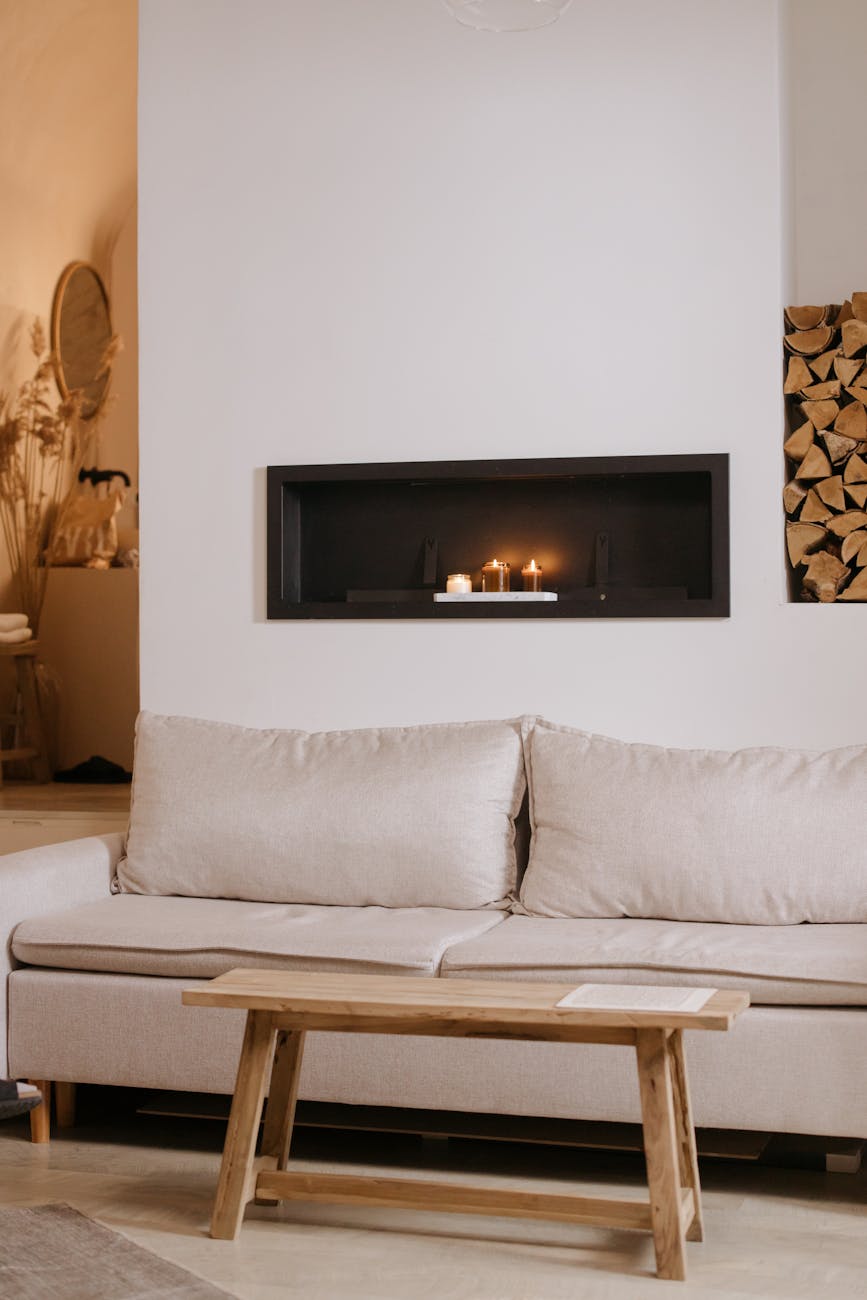
The Psychology Behind Hygge Interior Design
We observe a distinct psychological mechanism at play when we intentionally structure our living spaces to evoke feelings of warmth and contentment. This phenomenon, which we term *hygge*, moves beyond mere aesthetic preference; it is an intentional design strategy manipulating sensory input to foster a state of deep psychological security within the inhabitant. The goal is not simply to decorate objects, but to engineer an environment where stress reduction occurs passively through tactile and visual cues.
The Scandinavian approach to interior design functions precisely by prioritizing light and material honesty. Natural light penetration dictates the mood; maximizing daylight exposure signals safety and vitality to the brain. When spaces are flooded with diffused natural light, the perceived sense of enclosure becomes less claustrophobic, allowing for a feeling of open, yet deeply sheltered, comfort. This interplay between bright surfaces and soft textures creates necessary contrast, preventing the space from feeling stark or cold.
Deconstructing the Elements of Scandinavian Comfort
The core philosophy centers on simplicity, functionality, and an appreciation for the natural world. This manifests in a deliberate curation of what remains within the domestic sphere. We strip away visual clutter because cognitive load decreases when the brain is not constantly processing unnecessary stimuli. Minimalism, in this context, acts as a filter, channeling focus toward essential elements: light, texture, and comfortable seating arrangements.
The choice of palette reflects this principle. Light, pale wood tones and muted neutrals serve as a reflective backdrop. These colors do not absorb light; instead, they scatter it softly, amplifying the effect of natural illumination across the entire surface area. This visual strategy establishes an immediate sense of calm, grounding the occupant in a serene atmosphere.
The Mechanism of Tactile Comfort
Perhaps the most powerful component of achieving true *hygge* lies in the engagement of the sense of touch. Our bodies process physical sensations as direct indicators of comfort and safety. Therefore, introducing rich, varied textures is not merely decorative; it is an active physiological intervention. We are intentionally designing surfaces that invite tactile interaction, engaging our somatosensory cortex in a positive feedback loop.
We see this mechanism clearly when considering textiles. The way light catches the uneven weave of wool or the deep pile of faux fur engages the tactile receptors in a way flat surfaces simply cannot replicate. Layering these elements creates visual depth while simultaneously providing physical anchors for relaxation. For instance, incorporating heavy knit throws or plush rugs immediately signals coziness. Consider the effect of layering knits, bouclé, and velvet for cozy; the juxtaposition of these materials allows the eye to rest while the body registers profound softness.
This tactile engagement shifts the interaction from passive viewing to active experiencing. When someone settles onto a sofa draped in soft linen or wraps themselves in a chunky knit blanket, they are physically enacting the feeling of being enveloped, which directly counteracts feelings of isolation or tension accumulated during the day. This sensory richness anchors the design philosophy firmly in lived experience rather than abstract theory.
Curating Light and Shadow Dynamics
Light is an active ingredient in the creation of *hygge interior design*. We manipulate how light moves across a space throughout the day, recognizing that shadows play a crucial role in defining mood. Direct, harsh overhead lighting tends to create sharp divisions and can feel clinical. Instead, we prioritize diffused, indirect illumination sources.
Positioning lamps strategically allows us to sculpt the environment. Placing a warm-toned lamp in a corner introduces an intimate pool of light, signaling a retreat space away from the broader, more functional areas of the room. This creates pockets of intentional coziness throughout the day. Observing how light interacts with wooden textures—the subtle grain catching the morning sun—reinforces the connection to natural materials and the organic rhythm of the outside world. This deliberate management of illumination prevents the space from feeling uniformly bright, instead introducing comforting gradations between shadow and light that mimic the gentle transitions found in nature.
Materiality: The Authenticity of Natural Fibers
The selection of materials directly impacts the perceived authenticity of the *hygge* experience. There is a strong preference for natural fibers because their inherent qualities—breathability, warmth retention, and organic texture—align perfectly with the desired psychological state. Introducing elements like untreated wood, woven wool, or organic cotton signals an intentional rejection of mass-produced artificiality.
The tactile quality must be felt. Rougher textures, such as hand-knitted wool or raw linen, possess a depth that synthetic materials often lack. This materiality connects the interior environment to something tangible and enduring. When we select natural fibers, we are choosing substances that age gracefully and contribute to an atmosphere of settled, enduring comfort rather than fleeting novelty.
Designing Functional Comfort Zones
The execution of *hygge* demands that spaces are organized around zones of specific, comfortable activity. A functional layout supports the psychological goal of relaxation by clearly defining areas for rest, contemplation, and warmth. We structure the space to facilitate these states effortlessly.
This involves creating intentional nooks rather than sprawling open areas. A reading corner next to a window, an armchair situated near a warm light source, or a dedicated space for crafting all contribute to the sense of sanctuary. These zones become anchors for unwinding. When designing these zones, we must consider scale and proximity; objects should be positioned in a way that encourages lingering and slow movement.
The Role of Atmosphere Over Ornamentation
The distinction between true *hygge* design and mere decoration rests on this hierarchy: atmosphere precedes ornamentation. If the foundational feeling is one of deep comfort achieved through light, texture, and simplicity, then decorative objects become supportive elements rather than the primary focus. Decorative items should enhance the established mood, not dictate it.
A single piece of art or a carefully chosen ceramic vessel can introduce focal interest, but it cannot substitute for the enveloping quality provided by soft textiles or abundant natural light. The effect is subtle; it resides in the quality of the space itself, felt on the skin and seen in the play of light across the surfaces. This approach ensures that the environment supports the internal state rather than demanding external attention. We observe that when objects serve the function of creating atmosphere, they integrate seamlessly into the overall sense of warmth without creating visual noise.
Practical Application: Establishing Your Cozy Sanctuary
Implementing these principles requires a conscious process of subtraction and accumulation in the right directions. Start by assessing your current space for areas where light is insufficient or textures feel flat. Introduce large, light-colored textiles first to establish the foundational layer of comfort. Then, focus on layering richer materials—a heavy throw over a sofa, a textured rug beneath bare feet—to engage the tactile system fully.
This process transforms the dwelling from a mere shelter into a consciously crafted retreat. By prioritizing sensory experience over visual density, we actively engineer an environment where the pursuit of *hygge interior design* yields tangible, lasting psychological benefits for every inhabitant. It is a continuous calibration of space and sensation.
Tags: hygge, Scandinavian design, cozy home, minimalism, interior design, hygge decor, cozy living
Featured Image by cottonbro studio on Pexels.