
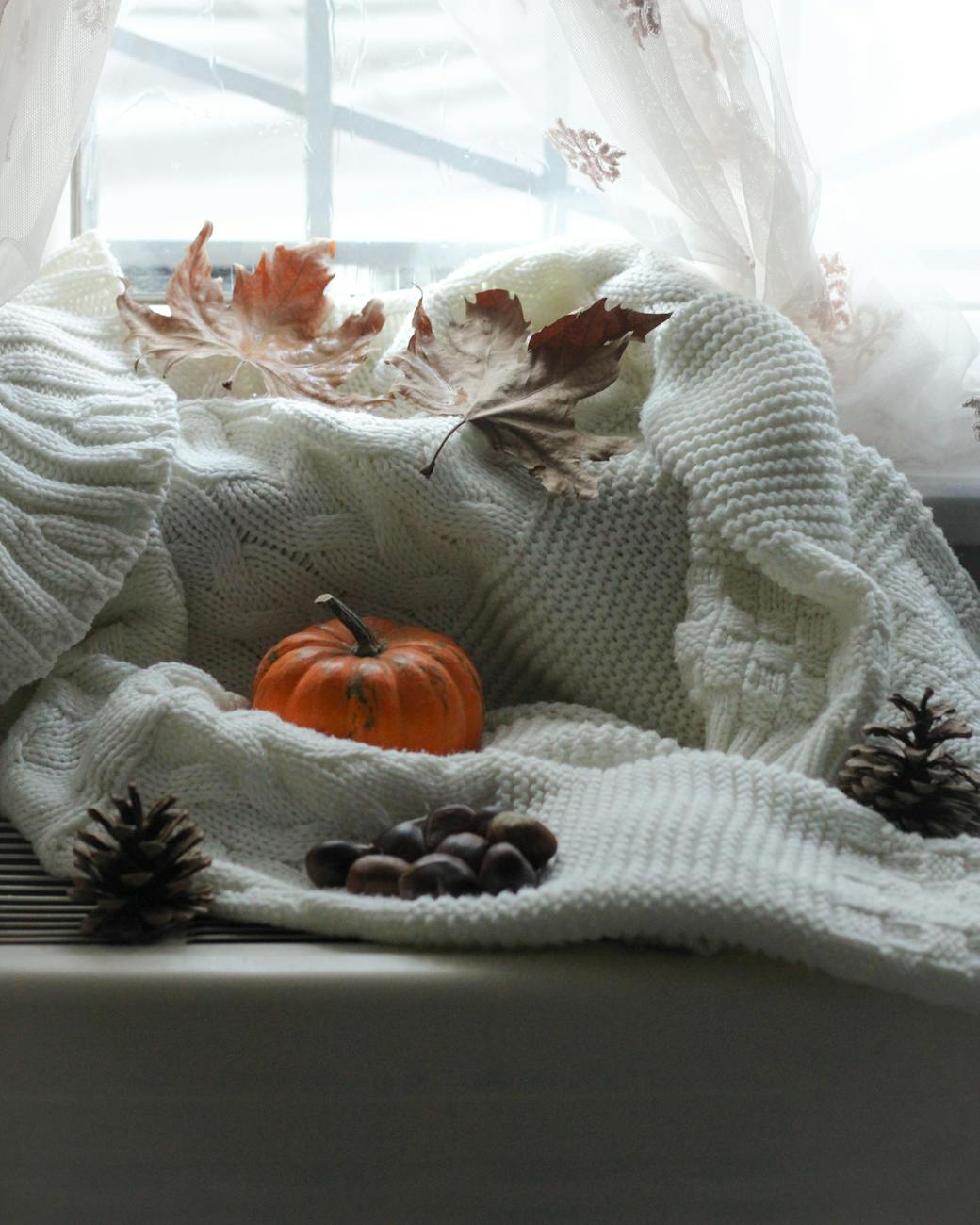
The Science of Texture: Decoding Cozy Fall Textiles
When we move into the autumn season, the objective shifts from seasonal transition to sensory optimization. We are actively manipulating our immediate environment to recalibrate our psychological state; textiles become the primary mechanism for achieving this thermal and emotional regulation. Understanding how different fibers interact with ambient light, touch, and visual perception is key to selecting pieces that genuinely enhance the cozy fall textiles experience. We observe that texture is not merely aesthetic; it operates on a physiological level, influencing perceived temperature and creating an immediate sense of spatial enclosure.
The shift in décor choices reflects a desire for tactile grounding. As external temperatures drop, our internal focus tightens toward proximal comforts. This process involves seeking materials that offer high thermal retention while simultaneously engaging the somatosensory system effectively. A heavy knit blanket, for instance, doesn’t just cover the body; it creates a localized microclimate that resists convective heat loss from the surrounding air. We analyze how different weaves achieve this effect.
Fiber Mechanics: Why Wool and Alpaca Dominate Autumn Palettes
The selection of material dictates the performance of the textile in creating a cozy atmosphere. Natural fibers possess inherent properties that make them superior insulators compared to synthetic alternatives when managing fluctuating indoor temperatures. Wool, for example, traps air within its crimped, uneven surface structure, effectively creating pockets of trapped air that function as excellent thermal insulators. This mechanism allows the material to manage temperature differentials far more efficiently than flat, smooth fabrics.
Alpaca and cashmere introduce a layer of luxurious density. Their fine, dense fibers create an exceptionally soft hand while maintaining high thermal resistance. We see this effect consistently in spaces where achieving deep hygge is paramount; these materials provide a sensory experience that aligns perfectly with the principles outlined in discussions about comfort design. Conversely, polyester blends, while affordable and durable, often prioritize smooth surface texture over true thermal trapping capacity, meaning their cozy fall textiles might look warm but fail to offer meaningful insulation against significant temperature drops.
Weaving Patterns and Visual Depth
Beyond the material composition itself, the visual pattern of the textile significantly impacts the perceived coziness. The way a blanket is woven dictates how light interacts with it, affecting the mood of a room instantly. Large, chunky knits introduce substantial visual weight, signaling abundance and enveloping warmth. Smaller, intricate patterns offer textural complexity without overwhelming the space.
Consider the effect of cable knits versus simple ribs. Cable knit structures create deep, three-dimensional shadow lines across the surface. This variation in light and shadow mimics the organic irregularity found in nature, which our brains often interpret as inherently comforting. We see that dense patterning successfully mimics the visual density associated with a secure, warm enclosure. In practice, employing these textural patterns helps trick the visual system into registering a higher degree of tactile warmth than the material’s actual thermal output alone suggests.
Curating the Autumn Textile Collection Strategically
Selecting pieces for your home requires moving beyond simple pattern matching and engaging in strategic layering. The goal is to integrate textiles so that they function as intentional anchors for comfort, rather than mere decorative additions. We must consider the functional zones within a space when planning textile deployment.
Layering for Multi-Climate Comfort
A successful autumn textile strategy involves creating distinct textural layers throughout the living space. Imagine a primary layer of a heavy, textured throw—perhaps a thick wool blanket—that anchors the seating area. This base layer provides the foundational thermal mass. Above this, introduce smaller accent pillows made from contrasting materials; perhaps velvet or chunky linen. These secondary elements enhance the sensory engagement without introducing excessive bulk where it is not needed.
This layering process directly relates to holistic comfort design. When designing a sanctuary space, we must account for how different textiles interact with light and physical touch simultaneously. For instance, pairing a smooth, cool-toned throw with a deeply textured, fuzzy pillow creates an intentional juxtaposition that stimulates sensory interest. This careful orchestration ensures the room feels rich, layered, and deeply inviting. If you are focusing on creating a specific retreat, such as designing a cozy home office sanctuary, optimizing the textile layer becomes critical for psychological decompression (see Soundproof Your Nook: Design a Cozy Home Office Sanctuary).
Color Theory in Autumnal Textiles
The color palette we adopt directly modulates the emotional resonance of the cozy fall textiles. Earth tones—deep terracotta, burnt orange, rich mustard yellow, and deep olive green—act as anchors, connecting the interior environment to the natural landscape outside. These colors stimulate feelings associated with harvest, warmth, and grounding. When selecting your primary textile foundation, these saturated, warm hues establish an immediate sense of autumnal richness.
Complementary accents should be introduced with muted tones that allow the main colors to dominate without creating visual dissonance. Cream, warm beige, and muted charcoal provide necessary contrast and breathing room. This interplay between deep saturation and soft neutrals prevents the space from feeling heavy or overly saturated. We observe that this balance elevates the entire textile arrangement, making the experience feel intentional rather than simply decorative.
Maintenance and Longevity of Cozy Fall Textiles
The longevity of cozy fall textiles is directly proportional to the care applied during their use. Because these items are integral to the tactile experience, maintaining their integrity ensures they continue to perform their insulating function effectively over time. Poor maintenance leads to fiber degradation and a loss of the desirable soft hand.
Washing protocols must be adjusted based on the fiber composition. Wool and alpaca require gentle, cool-water washing and air drying to prevent felting—the process where wool fibers lock together into a dense, non-pliable mass. Mechanical agitation introduces friction that can permanently damage the loft and insulating properties of these materials. Machine drying generates excessive heat and can cause irreversible shrinkage or damage to delicate weaves.
For synthetic blends, understanding the manufacturer’s care instructions is paramount; improper heat exposure will degrade the polymer structure. Always inspect seams and stress points periodically. Small snags or pilling must be addressed immediately, as these imperfections disrupt the visual flow that contributes to the overall cozy aesthetic. Treating textiles with respect ensures they maintain their ability to provide superior thermal comfort season after season.
Tags: cozy fall textiles, autumn decor, fall textiles, home textiles, cozy living, fall trends, seasonal decor
Featured Image by Fatma Gül on Pexels.