
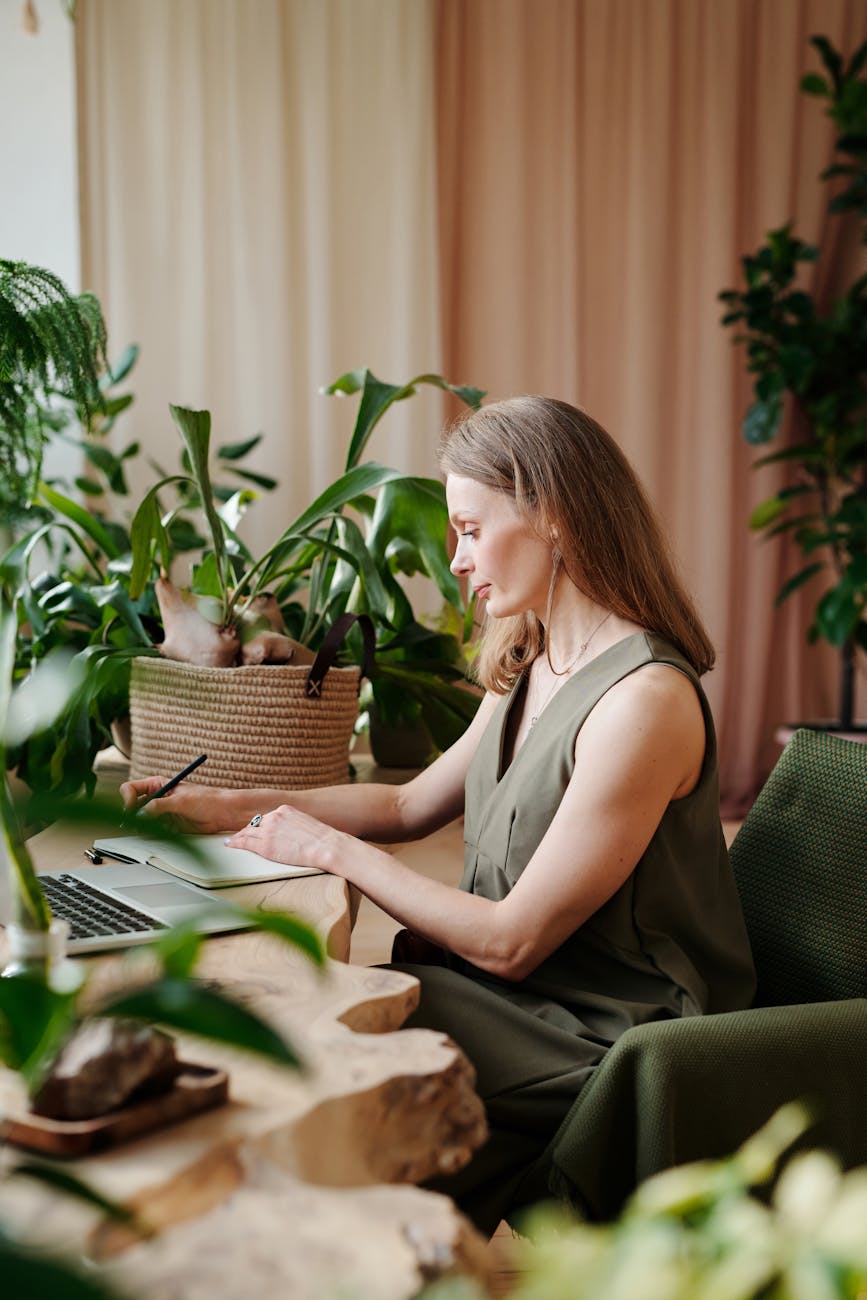
Integrating Nature’s Principles into Workspace Architecture
The contemporary demand for remote work necessitates a workspace that functions not merely as a place to perform tasks but as an environment actively supporting cognitive performance. We observe that traditional, sterile office designs often introduce stressors that impede deep concentration. Introducing biophilic design principles directly addresses this deficit by leveraging innate human responses to natural systems. This approach moves beyond superficial aesthetics; it manipulates the environmental variables—light quality, spatial organization, and material selection—to recalibrate physiological states. Understanding this mechanism is crucial for optimizing the effectiveness of a home office.
The Physiological Mechanism Behind Nature-Inspired Spaces
The connection between exposure to nature and improved cognitive function operates through measurable biological pathways. When we interact with natural elements, our autonomic nervous system shifts from a sympathetic state—characterized by alertness and stress response—to a parasympathetic state, promoting rest and restoration. This shift is mediated by the visual perception of organic forms and natural patterns. Studies consistently indicate that exposure to natural light and views reduces circulating levels of cortisol, the primary stress hormone. This reduction in physiological arousal allows the prefrontal cortex, responsible for executive functions like planning and complex problem-solving, to engage more effectively.
We see this mechanism manifest through specific design choices within the home office context. For instance, incorporating views of greenery or natural textures provides a non-demanding visual stimulus that engages our attention without demanding conscious processing. This passive engagement lowers the cognitive load associated with task execution. A cluttered, artificial environment forces the brain to process unnecessary stimuli, depleting attentional resources needed for complex work. Conversely, environments rich in natural patterns offer a sense of psychological safety and connection, effectively creating an optimal state for sustained focus.
Manipulating Light and Air Flow for Optimal Productivity
Light is perhaps the most potent biophilic element we can control within an indoor setting. Natural daylight cycles provide a dynamic rhythm that synchronizes our circadian rhythms, which directly impacts energy levels and alertness throughout the day. Maximizing exposure to natural light in the home office minimizes reliance on artificial lighting later in the day, promoting better sleep hygiene overall. We find that windows should be positioned to maximize ambient illumination rather than creating harsh glare.
The quality of the light matters as much as the quantity. Indirect, diffused light filtering through sheer curtains or strategically placed plants mimics the dappled light found outdoors, which is significantly less fatiguing for the eyes during long working sessions. Airflow must also be considered an active component of the design. Stagnant air correlates with lethargy and poor concentration. Ensuring adequate ventilation facilitates the exchange of air molecules, preventing the buildup of stale, heavy atmospheres that contribute to mental fog.
Materiality: Textures, Patterns, and Sensory Engagement
The tactile experience of the workspace plays a subtle but powerful role in modulating mood and focus. Introducing natural materials—wood, stone, wool, rattan—introduces an organic texture that counters the hardness of synthetic surfaces prevalent in modern office setups. When we physically interact with these textures, our sensory processing system receives input that is inherently calming.
Consider the strategic use of textiles. A soft rug underfoot or a comfortable seating area encourages a relaxed posture, directly influencing the body’s readiness to engage in focused work rather than remaining tense and rigid. We observe that incorporating natural fibers signals safety and comfort. For instance, selecting materials for accent pieces, such as choosing a chunky knit throw blanket for a reading nook, anchors the space in tactile warmth. These sensory inputs create an enveloping atmosphere conducive to deep concentration.
Spatial Arrangement: Creating Zones for Different Modes of Work
A highly effective **biophilic home office design** requires more than just decorative elements; it demands intentional spatial zoning. The physical layout of the room must reflect the different cognitive demands of various tasks. We should delineate areas for focused, deep work away from areas dedicated to relaxation or creative brainstorming.
Establishing distinct zones allows the mind to transition smoothly between states. One zone can be dedicated to intense analytical work, requiring minimal visual distraction and high acoustic isolation. Another area might serve as a reading nook or a casual meeting space, designed with softer furnishings that encourage reflection. This separation prevents cognitive interference; when the environment clearly signals the activity taking place, the brain expends less energy managing the context.
When designing for sound, this zoning becomes even more critical. Noise pollution is a significant disruptor of focus. We must actively engineer acoustic environments. Investing in sound-dampening materials and strategic placement of soft furnishings helps absorb ambient noise, creating an auditory sanctuary within the workspace. For those seeking ultimate tranquility, understanding acoustic principles is essential; exploring concepts like **The Sound Sanctuary: Cozy Home Office for Focus & Calm** reveals how sound management directly supports attentional capacity.
Biophilic Elements in Practice: From Walls to Vegetation
Incorporating living systems into the interior environment moves beyond mere decoration; it integrates a dynamic, self-regulating system into the workspace architecture. Plants, specifically, introduce the complex, evolving patterns of the natural world that our brains are wired to find engaging. The process of observing plant growth and tending to it provides a gentle, ongoing engagement that offsets sedentary work.
We see that incorporating living walls or abundant indoor plants demonstrably improves mood scores and perceived well-being in indoor settings. These elements actively engage our innate desire for connection to the external environment, even when physical access is limited. Furthermore, these systems contribute to improved indoor air quality by filtering airborne particulates, creating a healthier microclimate for sustained concentration.
The integration must feel organic, not imposed. The design should allow natural forms—the curve of a wooden desk, the irregular shape of a potted plant, the flowing lines of an organic rug—to dictate the aesthetic flow. This is where the intentionality of biophilic design becomes apparent; it is about creating an experience that harmonizes human cognitive needs with the inherent structures of the natural world. The goal is not to mimic nature perfectly but to harness its proven capacity to foster a state of calm, engagement, and high productivity within the confines of our home office.
Tags: home office design, biophilic design, cozy workspace, WFH setup, indoor plants, natural decor, stress reduction
Featured Image by Mikael Blomkvist on Pexels.