
The Mechanics of Visual Depth: Mastering Layering Cozy Home Decor
Creating a truly cozy environment is not about placing one single, large item in a room; it involves an intentional process of visual assembly. We observe that the psychological experience of warmth and invitation stems directly from how light interacts with varied surfaces and tactile materials. This principle dictates that effective design relies on establishing depth through strategic placement rather than singular focal points. Mastering the art of layering cozy home decor means understanding the interplay between sightlines, texture density, and material temperature.
Deconstructing Texture: The Tactile Foundation
Texture is perhaps the most immediate mechanism through which we register comfort. When surfaces engage differently—smooth against rough, soft against crisp—the visual field gains complexity. We are not merely decorating walls; we are engineering sensory input. Consider the strategic introduction of varied textiles. A room dominated by flat, uniform surfaces registers as sterile. Introduce wool knits, raw linen, chunky cable-knit throws, and nubby boucle fabrics. Each material introduces a unique way for light to diffuse, creating micro-shadows that prevent the space from feeling monolithic.
This layering effect is amplified when dealing with textiles. A heavy, woven wool throw draped over a velvet cushion immediately establishes a hierarchy of comfort. The visual weight shifts; the eye perceives an accumulation of richness rather than simple placement. For instance, juxtaposing a smooth, cool ceramic vase against a heavily textured, slubby linen curtain creates immediate tension and visual interest. This dynamic contrast is the engine of sophisticated cozy design. We are deliberately manipulating how the eye processes space by introducing material friction.
Material Temperature and Color Theory
The selection of materials must operate in tandem with color to achieve true warmth. Warmth is not just a feeling; it is an optical phenomenon influenced by reflected light wavelengths. Deep, saturated colors absorb more light, grounding the space, while lighter, warmer tones reflect ambient light, making the area feel expansive yet intimate. We see this effect clearly when pairing deep terracotta or burnt umber walls with warm, cream-toned textiles. This combination slows down visual movement.
The interplay between material temperature and color is critical for layering cozy home decor successfully. Cool materials, like polished chrome or cool marble, introduce necessary contrast that prevents the space from becoming overwhelmingly heavy. These cooler elements act as anchors, providing a necessary counterpoint to the enveloping softness of wool or velvet. When designing a sanctuary, we must manage this thermal balance carefully.
Establishing Visual Hierarchy Through Scale and Placement
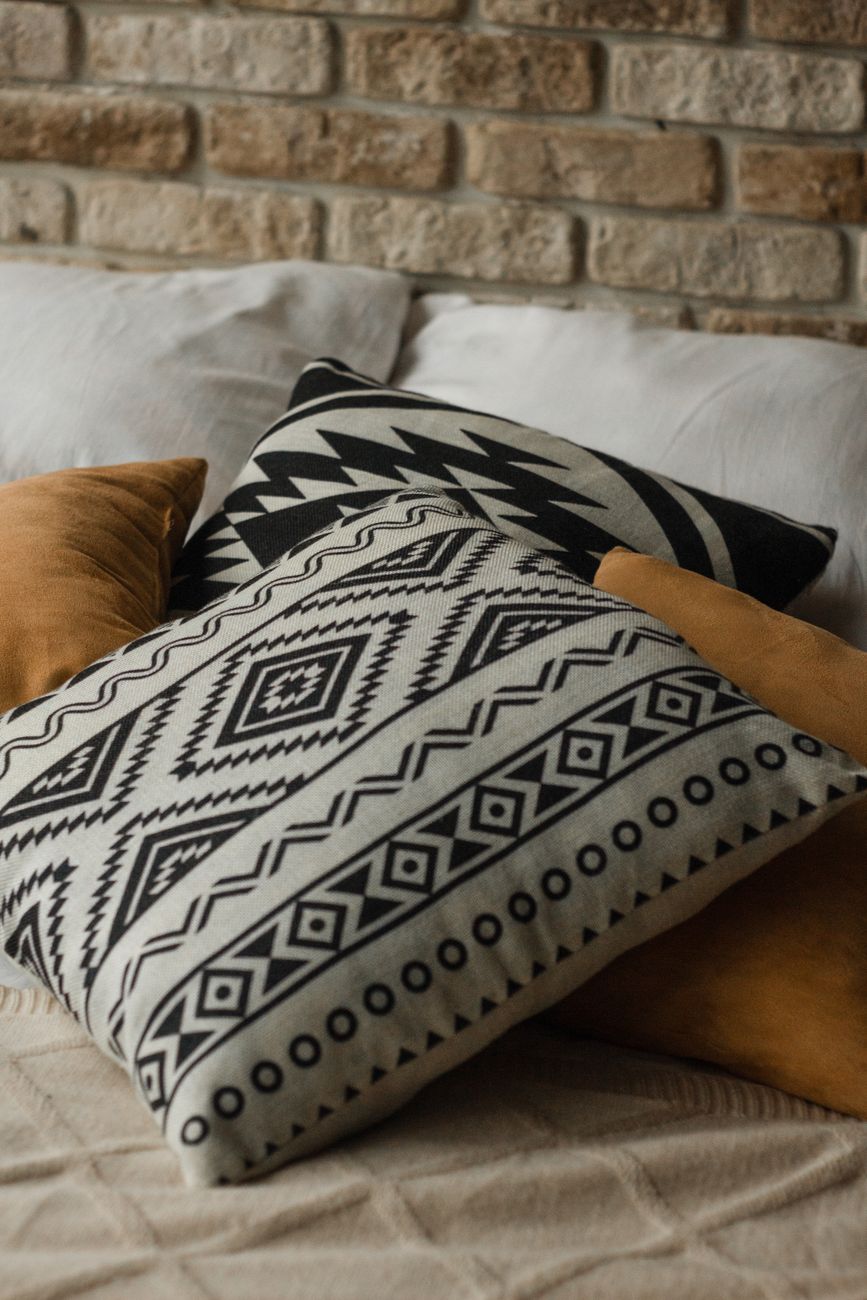
Layering requires an understanding of scale; items should not compete but rather support one another. Large elements define the architectural space, while smaller pieces provide the intimate detail that fosters coziness. We use scale to guide the viewer’s perception of depth. Placing a large area rug anchors the seating arrangement, defining the primary zone for relaxation. Upon this foundation, smaller accessories—a stack of beautifully bound books, a small ceramic candle holder, or an intricately patterned throw pillow—are introduced. These smaller objects function as textural accents that invite closer inspection and personal engagement.
The positioning dictates the narrative flow. We arrange elements so that the eye travels smoothly across the composition, encountering each layer sequentially. A successful arrangement involves overlapping textures slightly. Allowing a corner of a heavy blanket to spill over an arm of a sofa, or letting the edge of a patterned throw peek out from under a larger piece of furniture, signals organic comfort rather than sterile staging. This physical overlap is the mechanism that generates perceived depth.
Integrating Light as a Layering Element
Light is the invisible element that binds all physical layers into a cohesive atmosphere. How light interacts with these diverse textures determines whether the space feels bright and airy or deeply enveloped and intimate. Ambient lighting is not just functional; it is a primary tool for atmospheric construction. We must move beyond harsh overhead illumination. Instead, we employ multiple light sources to create pools of warm, directional light.
Consider the effect of indirect illumination. When light grazes the surface of a richly textured throw blanket, it emphasizes the nap and the depth of the weave, bringing out the subtle variations in color saturation. This selective illumination transforms simple objects into focal points of tactile richness. Setting up strategic lamps allows us to manipulate shadow play throughout the day, evolving the room’s mood from bright daytime functionality to soft evening sanctuary. Understanding ambient lighting is essential for maximizing the impact of every layer we have applied. For deep immersion in this concept, studying how light shapes space proves invaluable when aiming to create an immersive experience like Ambient Lighting: Creating a Cozy Home Sanctuary.
The Process of Curating the Cohesive Narrative
The final step in mastering layering is recognizing that every element must contribute to a singular, cohesive narrative. Random placement results in clutter; intentional arrangement results in curated coziness. We must analyze the room as a system of interacting components. Does the chosen rug harmonize with the texture of the sofa? Do the colors of the accent pillows echo the tones in the wall paint or the chosen textiles? These are the checks we perform before finalizing the look.
This process requires moving past simple aesthetic choices toward an analytical approach concerning visual flow and sensory balance. We begin by establishing the base layer—the largest anchors, such as foundational furniture and large area rugs. Next, we introduce the mid-layer, which involves textiles that define the mood and texture of seating areas. Finally, we apply the surface details: smaller decorative objects, art, and accent pillows, ensuring they bridge the gap between the large forms and the tactile experience. This methodical approach ensures that every piece serves a purpose in enhancing the overall feeling of warmth and invitation.
By consciously managing these variables—texture density, material temperature, scale relationships, and light diffusion—we move beyond mere decoration toward architectural sensory design. Layering cozy home decor is fundamentally about engineering an environment where comfort is inherent in the visual structure itself.
Tags: cozy decor, home styling, interior design, texture, room decor, warmth, design tips
Featured Image by Andy Light on Pexels.