
The Science of Depth: Understanding Texture as a Design Tool
When we seek coziness in a space, we are not merely selecting individual items; we are engaging with the tactile experience. True depth in interior design emerges from the interplay between different surface qualities—soft, rough, smooth, matte, reflective. We observe that flat planes offer visual stillness, whereas layered textiles introduce dynamic visual interest by manipulating light and shadow across the surface plane. This understanding forms the foundation for mastering the art of **layering home decor beginner** techniques.
We start by recognizing that texture functions as a non-visual layer. When different materials are juxtaposed, the eye perceives variation in depth even if the overall color palette remains harmonious. For instance, placing a chunky knit throw over a smooth linen sofa immediately establishes a hierarchy of tactile appeal. This layering process moves decoration beyond surface dressing into spatial design. We are manipulating how light interacts with surfaces, creating zones of visual warmth that feel inherently more inviting.
Establishing the Foundational Base Layer
Before introducing complex patterns or rich textures, establishing a solid base is critical for successful layering. The foundation layer dictates the overall mood and structural relationship within the space. Think about your largest elements: your sofa, area rugs, and foundational wall treatments. These pieces act as anchors against which all subsequent layers will interact. If the base layer feels too cold or visually busy, no amount of soft textiles can fully compensate for that initial tension.
We analyze how scale impacts this foundation. A massive, low-pile rug grounds a large seating arrangement effectively, creating an immediate zone of visual calm. Conversely, using smaller, intricately patterned rugs underneath larger furniture demands a more deliberate approach to scale management. This process requires testing the physical interaction; you must feel the weight and drape of the chosen materials before committing them to the final placement.
Integrating Mid-Layer Tactility
Once the base is set, we move into the mid-layer where the primary textural information is introduced. This is where the true sense of coziness is actively constructed through tactile engagement. We are now focusing on the textiles that make direct contact with the body and the immediate environment.
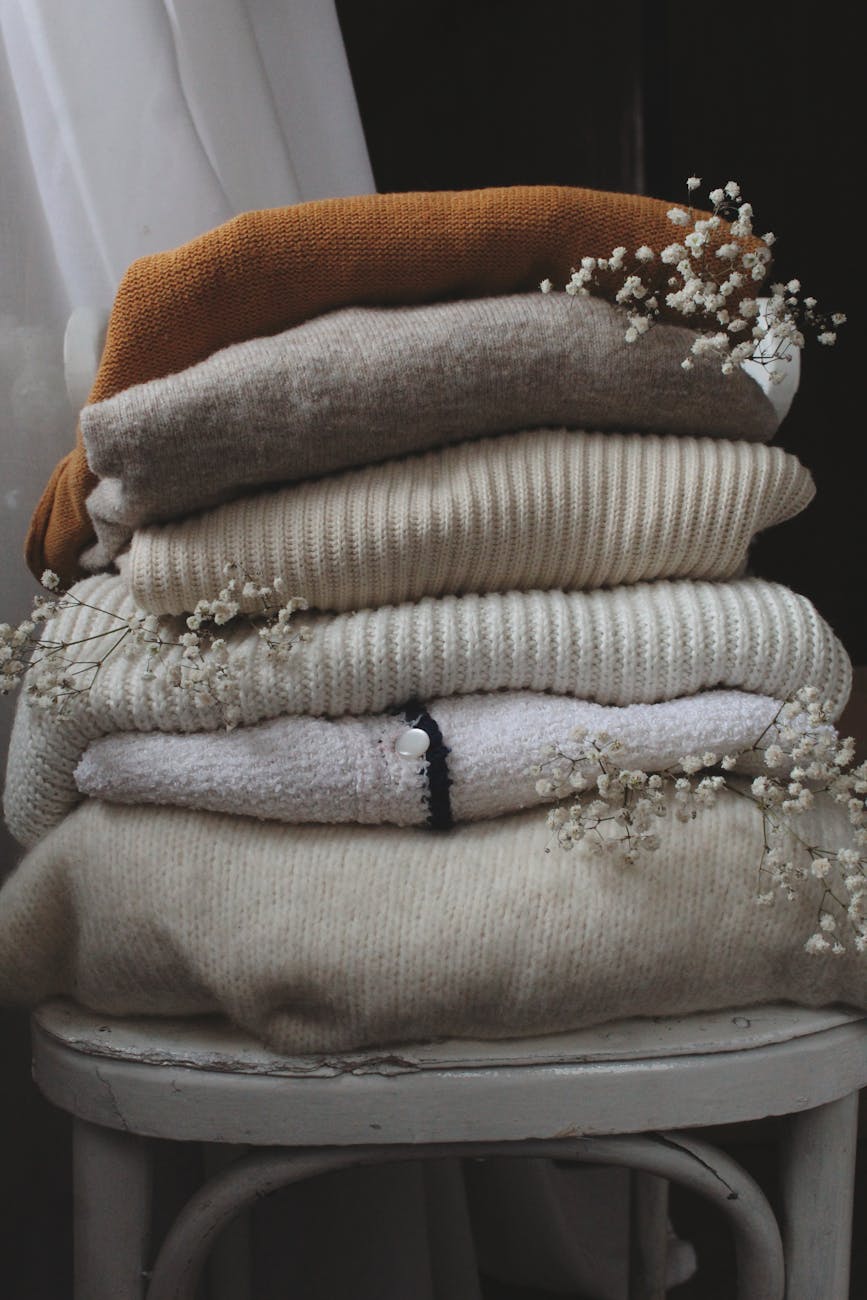
Consider the application of fabrics. A velvet cushion next to a woven wool blanket introduces an immediate sensory contrast. The visual effect is not just about color; it’s about the perceived softness and density of each material. If you select materials from disparate families—say, a crisp cotton pillowcase layered with a nubby boucle throw—the resulting complexity elevates the entire vignette. We observe that this textural juxtaposition prevents the space from feeling monolithic or overly uniform.
When considering fabric choices for these layers, understanding material mechanics becomes essential. For example, understanding the thread count of a sheet dictates its perceived smoothness and density far more than just looking at the weave pattern. This technical knowledge allows the beginner to select materials based on their functional aesthetic contribution. We find that mixing these elements is where design truly begins to breathe life into the room.
Surface Refinement: The Accent Layer
The final layer involves smaller, highly focused elements that catch the light and draw the eye into specific areas. These accents are responsible for adding micro-details and finishing the overall textural narrative. Think of throw pillows, decorative blankets, and textural wall hangings.
These items serve to interrupt the larger planes established by the foundation and mid-layers. A heavily textured throw blanket draped over an armchair draws attention to that seating area, defining it as a cozy zone. Decorative pillows introduce small pockets of high-contrast texture against the backdrop of the sofa fabric. This strategic placement controls visual flow.
We see a clear mechanism at play here: adding complexity to the periphery enhances the perceived richness of the center. If the main body of the room uses muted, smooth tones, introducing highly textured accents provides necessary focal points. This process requires careful calibration; too many competing textures can lead to visual noise, whereas just the right amount creates an atmosphere of curated abundance.
Case Study: Curating a Specific Zone
Let us apply this layering principle to a specific area, such as designing a reading nook. When curating your perfect reading nook, for example, the goal shifts from general room coziness to intense, localized comfort. We must establish the seating base first—perhaps a deep, comfortable armchair with a substantial, textured throw draped over it. This establishes the primary tactile zone.
Then, we introduce secondary elements that engage the senses in a more focused manner. A soft, perhaps sheepskin-style rug placed under the chair adds an immediate layer of softness beneath the feet. Next, we incorporate vertical texture through wall hangings or layered window treatments. These smaller decisions work in concert to define the space’s function and mood. The visual journey becomes one of gradual textural immersion.
This intentional process moves beyond simple decorating; it becomes architectural arrangement using tactile inputs. Mastering **layering home decor beginner** principles means understanding that every item serves a purpose: setting a base, introducing mid-level complexity, or providing final accent detail. We are not just decorating surfaces; we are engineering sensory experiences within the physical environment.
Material Mechanics and Sensory Input
The material selection dictates the actual feeling generated. Natural fibers possess inherent warmth due to their organic structure and ability to absorb ambient light softly rather than reflecting it sharply. Wool, for instance, traps air effectively, which translates directly into superior thermal regulation and a luxuriously soft hand-feel. Synthetic materials can mimic texture, but they often lack the nuanced depth that comes from natural fiber variances.
We analyze the effect of light absorption. Matte surfaces scatter light diffusely, creating soft shadows that enhance perceived depth. Highly reflective surfaces create sharp highlights, which can feel sterile if overused in a cozy setting. Therefore, layering matte textiles over slightly more reflective elements helps balance the visual energy. We observe that this contrast between light-absorbing and light-reflecting zones is fundamental to achieving an enveloping, cozy atmosphere rather than a stark, minimalist one.
When you engage with concepts like Textural Treasures: Mixing Fabrics for Ultimate Cozy Comfort, you are engaging directly with how these physical properties translate into psychological comfort. The deliberate mixing ensures that the experience remains rich and inviting, avoiding the pitfall of monotonous texture. This active selection process is what separates accidental decoration from intentional design.
Tags: home decor, cozy living, texture, decorating tips, space design, layering techniques, beginner guide
Featured Image by Ioana Motoc on Pexels.