
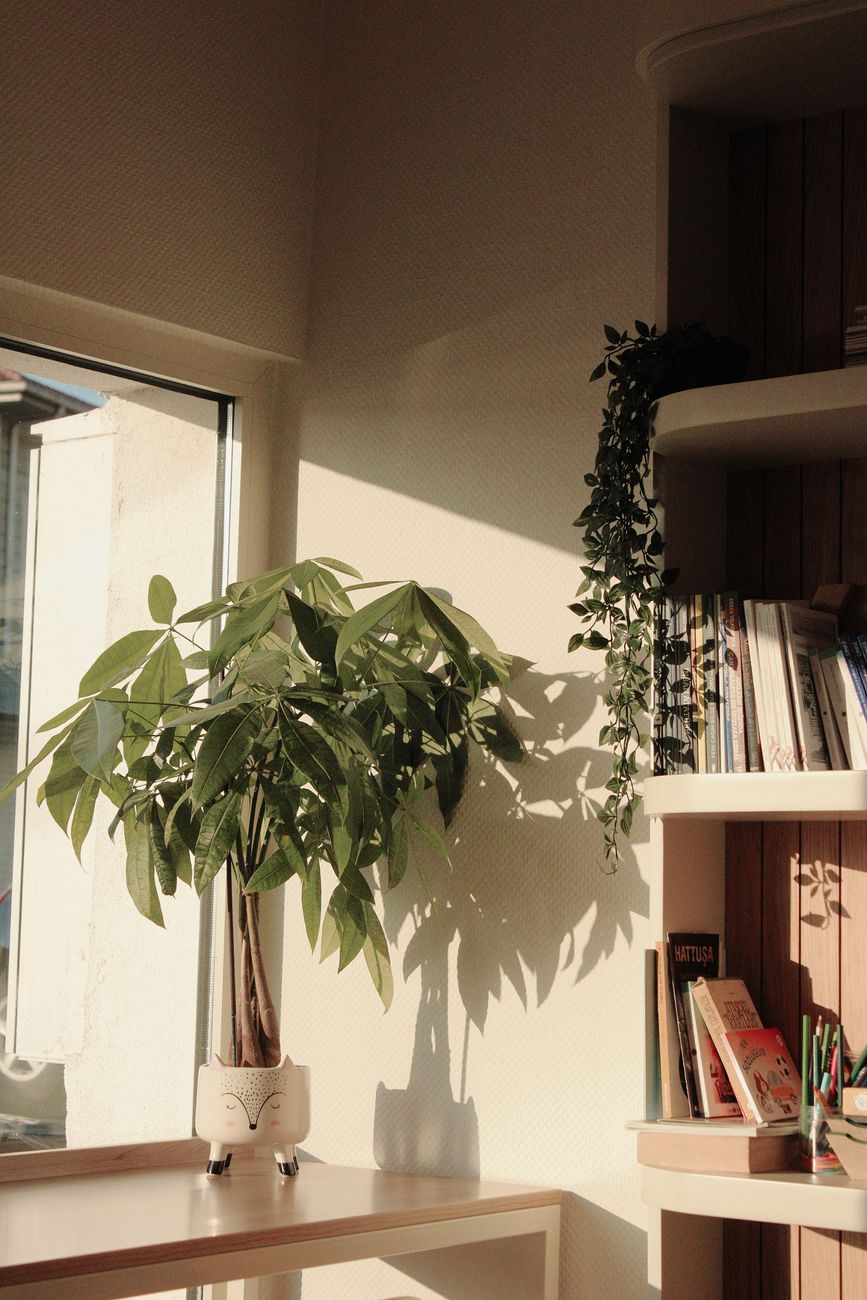
The Anatomy of a Perfect Cozy Reading Nook
We are not just designing a spot to sit; we are engineering an experience. A truly cozy reading nook functions as a micro-environment, designed to maximize sensory comfort and cognitive focus. Our analysis of successful interior design trends shows that the efficacy of a space is directly proportional to the intentionality behind its arrangement. This requires understanding how light, texture, and spatial geometry interact to influence mood and behavior.
The core mechanism at play here involves controlling ambient stimuli. When we construct a reading nook, we aim to mitigate external distractions while amplifying internal sensory pleasure. Think about the physical process of settling in: the desire for enclosure, the need for soft contact, and the appeal of focused illumination. These are not accidental feelings; they are direct responses to specific environmental inputs we must engineer intentionally.
Optimizing Spatial Geometry for Intimacy
The physical footprint of the nook dictates its psychological impact. We observe that smaller, intentionally defined spaces foster a heightened sense of intimacy. A well-designed nook does not need to occupy an entire room; rather, it requires a dedicated zone where scale is manipulated to encourage retreat. Consider the placement relative to existing architectural features. A corner, often overlooked, possesses inherent gravitational pull for cozy arrangements. We should position the seating element so that its orientation invites visual focus toward a chosen focal point—be it a window view or a piece of art.
The critical measurement here involves negative space. Allowing adequate space around the seating area prevents the nook from feeling cramped or claustrophobic. If the perimeter is too tight, the sensory experience degrades instantly. We need sufficient breathing room for the eyes and the body to relax into the intended posture. This spatial calibration is foundational to achieving that enveloping, safe feeling we associate with reading.
Material Science of Comfort: Texture and Tactility
The tactile experience of a space contributes significantly more to coziness than any single decorative item. We are dealing with haptic feedback. Hard, cold surfaces transmit an alert signal of rigidity; soft, yielding materials invite relaxation. In practice, selecting textiles is paramount. Think about the weave density, the pile height, and the overall perceived softness of the upholstery or throw blankets.
Wool, cashmere, and heavy-weight linen offer superior thermal regulation and a deep sensory satisfaction compared to synthetic alternatives. When assessing fabrics for a reading nook, we prioritize materials that feel rich and inviting against the skin. Layering these textures—a chunky knit throw over a velvet cushion, for example—creates visual depth while enhancing tactile warmth. This layering technique allows the user to adjust their immediate physical comfort based on ambient temperature shifts or personal preference.
The Crucial Role of Illumination Engineering
Lighting is perhaps the most powerful tool in manipulating the atmosphere within a reading nook. Harsh overhead lighting immediately negates any attempt at coziness. Effective illumination requires multiple, layered sources that allow for dynamic control over the mood. We must move beyond simple ambient light and focus on task lighting integrated with mood lighting.
For focused reading, an adjustable floor lamp positioned to illuminate the book without causing glare is essential. The light source itself should be warm in color temperature, ideally below 3000 Kelvin, which mimics the gentle glow of candlelight or firelight. Furthermore, incorporating decorative elements that diffuse light beautifully transforms the space entirely. We have seen how integrating elements like Winter Wonderland Decor: Fairy Lights and Frosted Glass Magic (https://decorandliving.com/winter-wonderland-decor-fairy-lights-frosted-glass/) can cast a soft, diffused glow across surfaces, softening harsh lines and introducing an ethereal quality that encourages unwinding.
Selecting the Anchor Piece: Seating Strategy
The furniture selection establishes the functional center of gravity for the entire design. The seating must prioritize ergonomic support while maintaining aesthetic appeal. A deep, comfortable armchair or a chaise lounge serves as the anchor; it is the designated zone for sustained relaxation. We analyze the relationship between the seating depth and the available floor space to ensure that the occupant can fully recline without feeling constrained.
When considering dimensions, we look at the necessary clearance. Ensure there is enough room between the chair and any nearby surfaces so that the user does not feel boxed in. This involves calculating the required footprint for comfortable posture—a crucial step often skipped in favor of purely aesthetic choices. The choice must serve the primary function: deep, uninterrupted reading time.
Curating the Sensory Palette: Color and Accents
The color scheme sets the underlying emotional tone for the nook. Darker, saturated tones naturally create a sense of enclosure and intimacy, which is beneficial for unwinding in the evening. Conversely, lighter, airy palettes can feel expansive, though they require more deliberate textural intervention to prevent them from feeling sterile. We observe that rich jewel tones or deep earth tones perform exceptionally well in creating a grounded, cozy atmosphere.
When introducing accent colors, use them sparingly but with high impact. Consider how color interacts with light; deep blues and muted silvers absorb light gently, while warm terracotta hues reflect it warmly. For those seeking a specific seasonal mood, incorporating palettes reminiscent of Winter Wonderland Decor: Icy Blues, Silvers and Frosted Accents (https://decorandliving.com/winter-wonderland-decor-icy-blues/) introduces an immediate sense of serene, cool tranquility. These accents act as visual anchors for the overall ambiance.
Integrating Functional Storage
A cozy nook must also be practical; otherwise, it functions merely as a decorative display rather than a functional retreat. Storage solutions need to be integrated seamlessly so they do not disrupt the flow or diminish the feeling of spaciousness. We look for vertical storage options—narrow shelving or wall-mounted hooks—that keep clutter out of immediate sight.
A small side table or an ottoman serves as the necessary surface area. This element must accommodate essentials: a warm beverage, a book, and perhaps a small candle. The surface should be stable and easily accessible without requiring the user to shift their posture awkwardly. We analyze this piece not just by its form but by its capacity to facilitate ease of access during prolonged relaxation.
This entire process—from spatial calibration to material selection—demonstrates that designing a cozy reading nook is an exercise in applied sensory psychology. It requires treating every element, from the angle of a curtain to the Kelvin rating of a bulb, as a deliberate variable in the equation of comfort. The result is a space where intentional design translates directly into tangible, restorative coziness.
Tags: reading nook, home decor, cozy space, nook design, lighting tips, small space decor, cozy home
Featured Image by neslihan ୨ৎ on Pexels.