
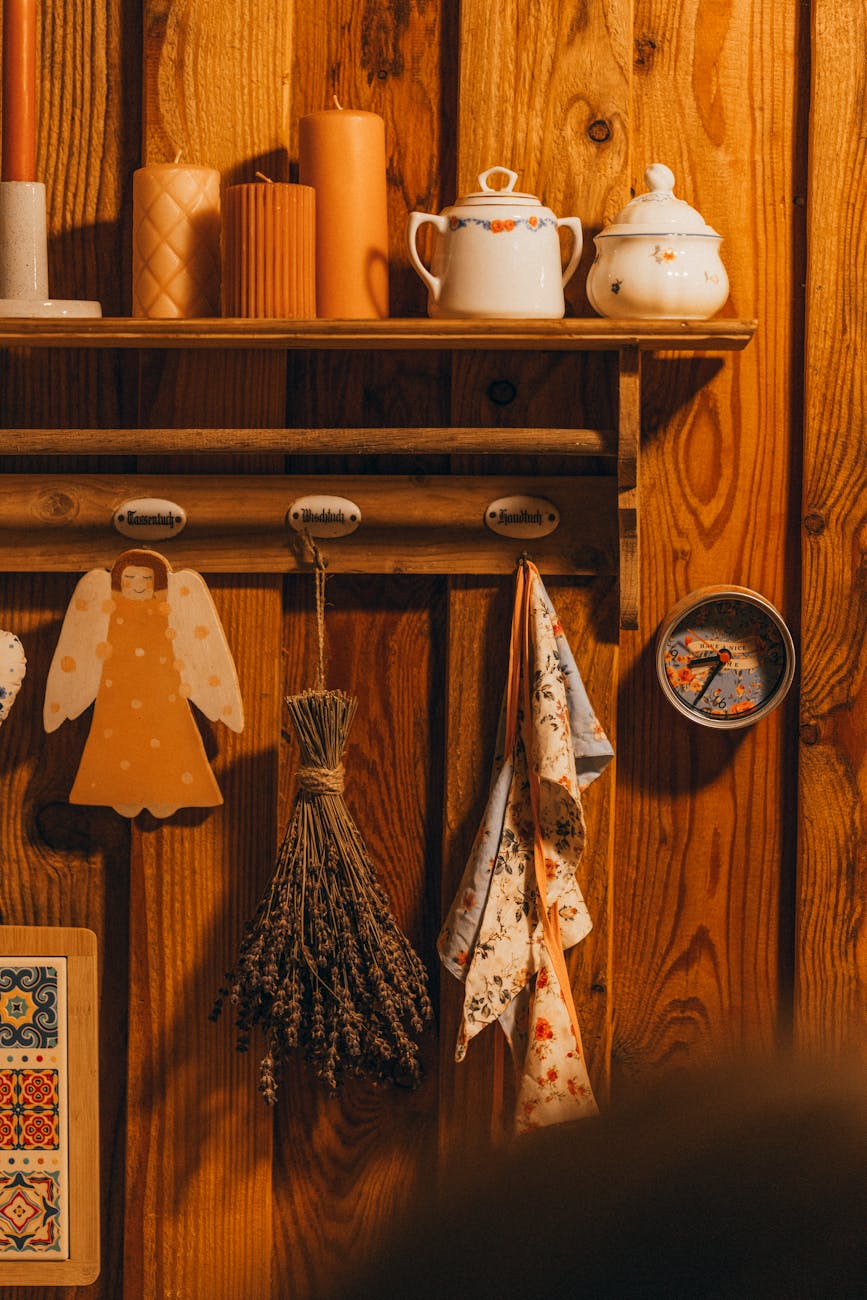
Deconstructing Rustic Kitchen Charm: The Science of Farmhouse Wood Accents
We observe a pervasive trend in interior design where authenticity drives aesthetic preference. Specifically, the farmhouse style leverages organic textures and natural materials to establish an atmosphere of lived-in warmth, moving beyond mere decoration into an experiential state. When we focus on incorporating wood accents into the kitchen environment, we are not simply placing objects; we are manipulating the perceived history and tactile quality of the space. This pursuit requires understanding how the grain, tone, and application of wood fundamentally alter spatial perception.
The efficacy of **farmhouse kitchen decor** hinges on creating a deliberate contrast between rustic elements and clean, functional lines. A successful implementation involves selecting woods whose characteristics resonate with the desired narrative. Darker, richer tones often provide a grounding anchor, suggesting age and durability, while lighter, more weathered finishes introduce an airy, pastoral quality. We analyze how these chromatic choices interact with surrounding materials—matte paint, aged metal fixtures, and distressed textiles. This interaction dictates whether the space feels genuinely rustic or merely superficially decorated.
Selecting Wood Profiles for Authentic Farmhouse Kitchen Decor
The selection process demands a deep understanding of material science. Not all wood species behave identically under the stresses of daily kitchen use, such as moisture fluctuations and temperature shifts. For genuine farmhouse aesthetics, oak, reclaimed wood, and distressed pine are frequently utilized because their inherent character supports the narrative of history. We examine the grain pattern; the visibility and depth of the grain directly correlate to the perceived age and authenticity of an accent piece.
Reclaimed wood presents a unique opportunity here. Utilizing salvaged barn wood or old flooring introduces genuine patina that mass-produced lumber cannot replicate. The visible knots, uneven surfaces, and subtle variations in tone serve as tangible evidence of a material’s past life, which is central to the rustic ethos. When integrating these elements, one must account for the natural variation; this irregularity is the mechanism by which the decor achieves its desired warmth.
Conversely, when working with new wood pieces, the finish selection becomes critical. A matte sealant allows the natural texture of the wood to remain tactile and inviting. High-gloss varnishes tend to flatten the visual depth, undermining the rustic effect we are aiming for. We find that a semi-matte or matte finish maximizes the interaction between light and the wood’s surface topography.
Integrating Wood Accents Through Functional Applications
The placement of wood accents must prioritize functionality alongside aesthetics. In a kitchen setting, the materials chosen should withstand high levels of physical contact and potential moisture exposure. This observation leads us toward specific application points where wood provides structural or visual emphasis without compromising utility.
Consider the use of butcher block countertops. This choice is inherently functional; it dictates a workspace that feels solid and artisanal. The thickness and grain pattern of the slab directly influence the perceived quality of the entire workspace. Similarly, accentuating open shelving with thick, rough-hewn wooden planks creates visual weight and invites engagement with the display objects. This strategy transforms storage from a purely utilitarian act into an intentional design statement.
When integrating wood into cabinetry or hardware, we focus on visible elements where impact is maximized. Exposed wooden beams, often found in farmhouse designs, provide strong linear accents across the ceiling plane. The interplay between the dark wood and lighter plaster walls establishes a stark, yet harmonious, contrast that defines the architectural structure of the room. This juxtaposition of rough texture against smooth surfaces creates dynamic visual tension.
Layering Textures for Enhanced Cozy Comfort
The aesthetic achieved with wood is amplified exponentially when paired with complementary textural elements. A space defined by rough, warm wood benefits immensely from soft, inviting textiles. We observe that mixing materials strategically builds a richer sensory experience for the occupant. This principle applies across all aspects of cozy home decoration.
When pairing raw wood surfaces with soft fabrics, such as linen, wool, or thick cotton, we establish an immediate tactile invitation. The contrast between the cool, hard resistance of the wood and the yielding softness of the fabric creates a dynamic interplay that enhances coziness. For instance, placing a heavy, woven wool runner over a rustic wooden table introduces a layer of sophisticated comfort that softens the inherent ruggedness of the wood.
This textural layering extends beyond furniture surfaces into the entire room environment. Think about how textiles interact with natural materials; this interaction is fundamental to creating an enveloping atmosphere. Experimenting with varying weave densities and material compositions allows for nuanced control over the perceived coziness. Exploring ways to mix-match fabrics, for example, demonstrates how different materials can coexist harmoniously when governed by a shared aesthetic principle.
Mastering Lighting to Amplify Wood’s Warmth
The effect of wood tones is profoundly mediated by the illumination present in the space. Light functions as the primary mechanism for revealing the depth and warmth inherent in natural materials. Harsh, cool overhead lighting flattens surfaces and diminishes the rich grain patterns we seek to emphasize. Conversely, warm-toned light interacts with wood in a way that accentuates its organic qualities, making the surface appear invitingly deep.
We find that employing layered lighting is essential for mastering this effect. Instead of relying on a single source, we deploy ambient sources—table lamps, sconces, and recessed lights tuned to a warm color temperature. This strategy allows us to sculpt the shadows cast by the wood grain throughout the day and evening. The gradual transition of light across a wooden surface reveals subtle shifts in tone, enhancing the sense of depth and coziness.
Layered lighting also works with textural elements. When soft fabrics are draped over wooden furniture, the interplay of light creates subtle highlights and shadows on the weave and the wood simultaneously, deepening the sensory immersion. This controlled illumination transforms a simple arrangement into an intentional, atmospheric experience that reinforces the overall farmhouse aesthetic.
Practical Implementation: Specific Wood Accents
To operationalize these principles for your **farmhouse kitchen decor**, consider specific areas where wood accents perform optimally. For example, focusing on open shelving allows the inherent beauty of the wood to be displayed without obscuring functional necessities. The choice here should prioritize visible, substantial pieces that act as focal points.
Cabinet hardware offers another opportunity. Swapping out standard pulls for thick, aged brass or matte black iron hardware introduces a necessary contrast to the rustic wood, balancing the aesthetic equation between rough and refined. This small substitution acts as an anchor point for the design narrative.
When selecting cutting boards or trivets, prioritize substantial pieces of solid wood. The weight and density of these items communicate quality and longevity, aligning with the durable ethos of farmhouse style. These functional wooden objects become artifacts themselves, contributing directly to the overall impression of rustic charm. We analyze how these tangible interactions build a cohesive visual language within the kitchen space.
Tags: farmhouse kitchen decor, rustic kitchen, kitchen design, wood accents, farmhouse style, kitchen inspiration, cozy home
Featured Image by Dawid Tkocz on Pexels.