
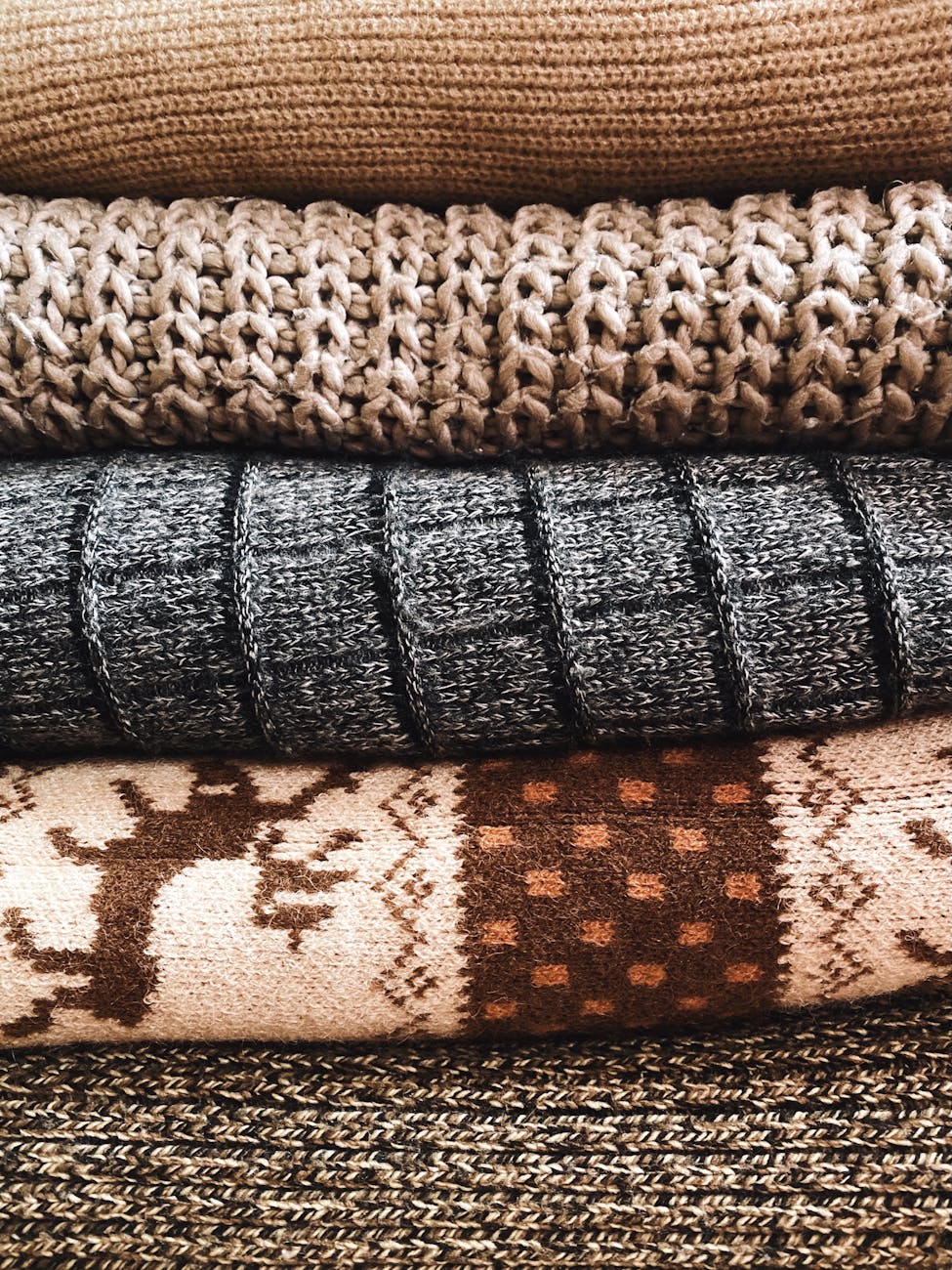
Master Textile Layering: Knits, Bouclés, and Velvet for Cozy Textures
The pursuit of truly cozy home decoration hinges not just on selecting individual pieces but on understanding how different textile fibers interact in a layered composition. Achieving deep tactile comfort requires moving beyond simple surface aesthetics to analyze the mechanical properties of materials—specifically the interplay between the stitch density of knits, the texture created by bouclés, and the light-absorbing depth of velvet. We observe that sophisticated layering manipulates visual perception while simultaneously optimizing sensory experience.
Deconstructing Tactile Richness Through Fiber Mechanics
When we focus on cozy home decoration textiles, the goal shifts from mere decoration to engineering an immersive environment. Different fabrics possess inherent qualities that dictate how they interact with touch and light. Knits introduce variable surface topography; the way yarn is looped and pulled dictates the resulting elasticity and hand-feel. Bouclés introduce intentional three-dimensional texture through looping techniques, creating pockets of shadow and depth on the surface plane. Velvet, meanwhile, functions by absorbing light unevenly across its pile, generating a rich, deep saturation that signals luxury and softness to the tactile system.
We analyze how these elements combine. A simple knit provides foundational structure and stretch, an essential for pieces like oversized throws or throw pillows. Introducing bouclé then adds textural interruption; this technique breaks up monolithic surfaces, preventing visual flatness while increasing the perceived density of coziness. Velvet introduces a specific depth layer, acting as a rich anchor against the more airy feel of wool or cotton knits. This layering process is not arbitrary; it is a calculated manipulation of surface texture to maximize sensory engagement.
The Physics of Softness: Knits vs. Pile Fabrics
Knitted textiles derive their comfort from the inherent elasticity and the way fibers are interlocked, allowing for significant give. We see this mechanism operate across various gauges. A fine gauge merino knit offers a smooth, consistent surface feel, ideal for items requiring a refined drape. Conversely, chunky cable knits introduce pronounced textural relief; the larger yarn thickness creates tactile ridges that invite physical interaction.
Pile fabrics, such as velvet and bouclé, achieve their perceived softness through the density of the pile and the directionality of the nap. Velvet’s plushness is determined by the cut and the density of the short fibers, which trap light to create deep, saturated color shifts. Bouclé relies on the irregular looping patterns; the varying depths of the loops create micro-shadows that make the surface appear richer and more tactile than a flat weave would allow. Understanding this differential in fiber structure allows us to select materials not just for looks, but for their functional capacity to deliver genuine sensory warmth.
Implementing Layering Strategies for Maximum Comfort
The practical application of these textile principles involves strategic placement within a space. Effective layering means establishing a hierarchy of softness that guides the user’s interaction with the decor. We aim to create zones of varying comfort intensity across a single seating arrangement or decorative scheme.
Establishing Depth Through Material Contrast
Consider arranging textiles for a sofa grouping. Placing a smooth, medium-weight cotton knit as the base layer provides a stable foundation and breathability. Over this, introducing a high-pile velvet cushion introduces a focal point of deep visual and tactile richness. The contrast between the matte, even surface of the knit and the light-absorbing depth of the velvet creates dynamic visual interest. This contrast is key to sophisticated cozy home decoration textiles.
Bouclé excels at bridging these textural gaps. A bouclé throw draped over a smooth linen base introduces an organic, highly textured element that softens the transition between the two planes. This layering strategy prevents any single texture from dominating entirely; instead, the eye and hand are engaged by the interplay of different tactile signals. We observe that when materials intentionally contrast in their surface quality—smooth versus nubby, matte versus plush—the resulting sensory experience escalates rapidly.
Integrating Textiles into Functional Spaces
The principles governing textile layering extend beyond decorative throws into functional areas like bathrooms or reading nooks. In a bathroom setting, where surfaces are often cool and hard, incorporating soft textiles addresses the thermal discomfort directly. Utilizing thick, absorbent bath towels made from high-quality looped cotton knits provides immediate enveloping warmth against the skin. This practical application demonstrates how textile selection impacts physiological comfort in small spaces.
Similarly, when curating a reading nook, maximizing coziness requires strategic use of textures to invite lingering. A deep velvet floor cushion offers unparalleled sinking comfort, while surrounding seating can incorporate textured wool bouclés for an enveloping feel. This intentional material pairing signals that the area is designed for prolonged, comfortable repose. When designing these spaces, we must consider how textiles modulate the perceived size and function of the architectural space itself. For example, ensuring that elements like a cozy living room corner are filled with soft, dense materials encourages occupants to settle in deeply.
Selecting Materials Based on Desired Sensory Outcome
The decision matrix for selecting specific yarns involves balancing visual impact against functional performance. We must analyze the thread count, fiber composition, and construction method to predict the final sensory outcome of our cozy home decoration textiles.
Velvet: Depth and Light Absorption
Velvet operates primarily through light manipulation. The short, dense pile catches incident light unevenly, resulting in areas of deep saturation where light is absorbed, juxtaposed against areas where the pile reflects a subtle sheen. This mechanism generates an illusion of profound softness and opulence. When selecting velvet for cozy home decoration, we assess the nap’s density; denser piling yields deeper color saturation and a richer visual effect.
Bouclé: Irregularity and Tactile Engagement
Bouclé’s strength lies in its intentional irregularity. The complex interplay of varying loop sizes creates an inherently tactile surface that demands interaction. This textural complexity engages the sense of touch actively, moving beyond passive visual appreciation. We see bouclé effectively breaking down large surfaces into smaller, highly engaging zones, preventing the overall effect from becoming monolithic while amplifying the feeling of handcrafted warmth.
Knits: Flexibility and Structure
Knitted fabrics provide necessary structural integrity coupled with inherent pliability. The mechanism here is elasticity; the way the yarn stretches and recovers dictates the fabric’s ability to conform to body shapes without feeling restrictive. For cozy home decoration textiles, this flexibility allows for draping that enhances comfort, whether it is a draped blanket or an oversized sweater. We measure success by the material’s response to gentle pressure—does it yield softly or resist rigidly?
The sophisticated application of these three textile families demonstrates a mastery over sensory design. By understanding the mechanism behind how knits stretch, how bouclés create shadow, and how velvets absorb light, designers can engineer environments where comfort is not merely an attribute but a deliberately constructed physical reality. Mastering this layering allows us to move beyond simple surface dressing toward crafting deeply resonant spaces.
Tags: textile layering, cozy decor, velvet decor, knits and textures, home textiles, bouclé, cozy living
Featured Image by Eugene Golovesov on Pexels.