
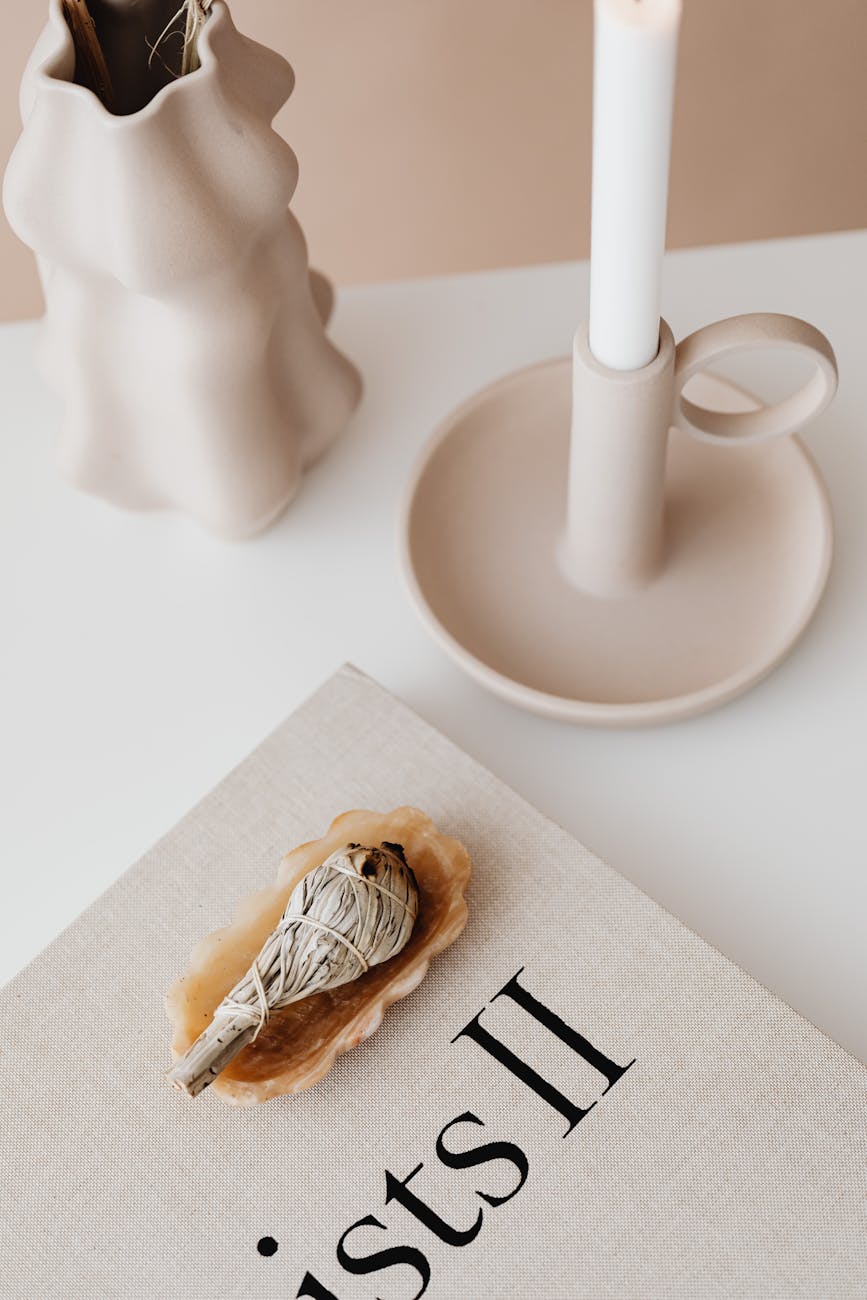
Deconstructing the Appeal of Sage and Cream
We observe a persistent gravitational pull toward muted, organic palettes in interior design. The **Sage and Cream Color Scheme** is not merely a fleeting trend; it functions as a deeply rooted psychological response to environmental stimuli. It leverages the inherent calming properties of nature, creating an interior space that actively mitigates sensory overload experienced in fast-paced modern life. This combination operates by reducing visual friction; the soft, muted quality of sage acts as an anchor, while the creamy undertones diffuse harsh light, resulting in an atmosphere characterized by profound serenity and restorative calm.
The appeal lies in the juxtaposition of subtlety and warmth. Sage, with its subtle grey-green undertones, connects the interior space to the outdoors, evoking the stillness of an untroubled forest canopy. Cream, conversely, serves as the perfect neutral canvas, reflecting ambient light softly rather than aggressively absorbing it. When these two tones are combined, they establish a visual hierarchy where complexity recedes, allowing the inherent textures and forms of the décor to take precedence. This strategic use of low-saturation colors allows occupants to experience a sense of groundedness, which is crucial for psychological well-being.
The Mechanics of Color Psychology in Cozy Spaces
The effect of this pairing moves beyond simple aesthetics; it involves manipulating light perception and emotional regulation. Research into color theory confirms that cooler, desaturated greens like sage lower heart rate variability when viewed in sustained exposure, suggesting a direct physiological impact on stress levels. Simultaneously, warm, off-white creams prevent the cool tones from feeling sterile or cold. This dynamic interplay ensures the space feels simultaneously tranquil and inviting, rather than merely subdued.
We see this mechanism playing out across various surfaces. Walls painted in soft sage absorb sound slightly differently than stark white, contributing to a quieter acoustic environment within the room. Surfaces bathed in cream diffuse light gently, eliminating harsh shadows that can induce visual tension. This careful calibration of light interaction is fundamental to achieving true coziness; it is about managing the sensory input delivered to the occupant’s visual cortex.
Implementing Sage and Cream: A Layered Approach
Achieving a truly cozy aesthetic with this scheme requires moving beyond simple paint swatches. The success hinges on layering materials that introduce tactile depth, compensating for the lack of high-contrast color saturation. We must focus intensely on texture as the primary driver of visual interest.
Surface Selection and Materiality
Selecting materials dictates how the sage and cream interact with the physical environment. For example, matte finishes absorb light more softly than semi-gloss surfaces, enhancing the diffused quality we seek. Consider linen for drapery or wool for throws; these natural fibers introduce organic variation that complements the muted palette perfectly. When introducing textiles, the interplay between the matte wall color and the tactile fabric creates an immediate sense of layered comfort. We find that mixing materials is essential to preventing the scheme from feeling monolithic.
Integrating Textural Treasures
The application of varied textures elevates the experience from merely ‘painted’ to truly immersive. Introducing chunky knit throws, nubby wool rugs, or velvet accents introduces necessary friction and warmth into the softer color field. This intentional contrast prevents the space from appearing flat. If you are exploring how fabrics interact with this scheme, studying how different weaves absorb and reflect light becomes illuminating. Examining concepts like [Textural Treasures: Mixing Fabrics for Ultimate Cozy Comfort](https://decorandliving.com/mix-match-fabrics-cozy-comfort/) shows how strategically deploying varying densities of fabric enhances perceived comfort exponentially.
Furniture Placement and Spatial Flow
The arrangement of large furniture pieces must also adhere to the principles of creating a restful environment. Large, solid forms placed against sage walls provide necessary grounding. Allowing these elements to breathe, positioned thoughtfully, establishes the room’s foundational structure. We observe that visual flow is dictated by negative space; ample empty space allows the muted colors time to settle and establish their intended calming effect without feeling cramped.
The scale of the furniture must harmonize with the softness of the color scheme. Oversized, deeply upholstered sofas invite relaxation, aligning with the overall goal of creating a sanctuary. Positioning seating areas to encourage conversation and repose reinforces the functional aspect of coziness. This spatial choreography ensures that the visual experience is one of spacious tranquility rather than visual density.
Accents and Finishing Touches
Small decorative elements serve as critical focal points, providing necessary visual anchors within this serene framework. Artwork selection should lean toward organic forms or abstract landscapes rendered in muted tones. Avoid high-saturation prints; opt instead for textural canvases or tonal photographic prints that echo the natural world.
Lighting plays an indispensable role in activating the potential of the sage and cream scheme after sunset. Warm, amber-toned light sources actively enhance the creamy undertones, deepening the sense of warmth. Layered lighting—using floor lamps, table lamps, and perhaps string lights for ambient effect—creates pools of warm illumination that contrast beautifully with the cooler wall tones. For creating an enveloping atmosphere reminiscent of a gentle winter setting, exploring concepts like [Winter Wonderland Decor: Cozy Ambiance with Lights & Textiles](https://decorandliving.com/winter-wonderland-decor-fairy-lights-textiles/) demonstrates how strategic light placement transforms the entire environmental perception.
The Long-Term Effect: Cultivating a Restorative Atmosphere
The sustained effect of employing the **Sage and Cream Color Scheme** is the cultivation of an enduring sense of home. This aesthetic functions as an intentional counterpoint to external pressures, establishing an internal zone of refuge. It requires an acceptance that coziness is achieved not through opulent decoration, but through thoughtful material selection and atmospheric calibration.
We are designing spaces that respond to human biology. The muted tones reduce the visual demands on the brain, allowing cognitive resources to be redirected toward rest and reflection. This process involves recognizing that true luxury resides in sensory ease—in the softness of the fabric against the skin, the gentle quality of the light reflecting off a cream surface, and the deep, earthy tranquility offered by sage green. This is an architecture of peace built one carefully chosen element at a time.
Tags: sage and cream, cozy decor, neutral palette, earthy tones, calming colors, minimalist design, home decor
Featured Image by www.kaboompics.com on Pexels.