
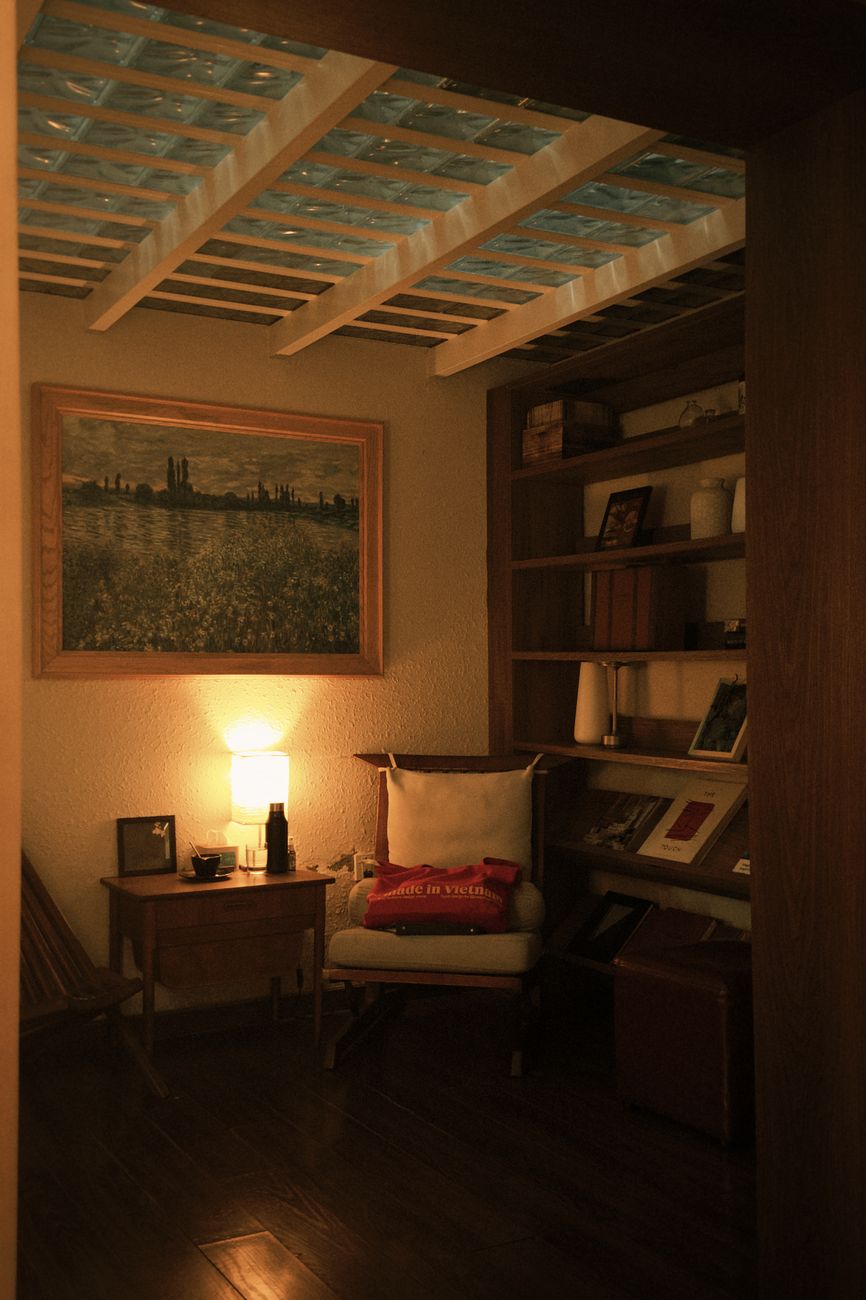
Crafting Intimate Retreats: Mastering Cozy Reading Nook Ideas for Small Spaces
The desire for a personal sanctuary within one’s living space is a fundamental human need, and when that sanctuary focuses on reading, the design choices become highly specific. We are not simply arranging furniture; we are engineering an experience where focus sharpens and comfort maximizes. Creating a truly cozy reading nook, especially in constrained environments, demands a strategic approach to spatial utilization and tactile layering. Our analysis of successful small-space design suggests that success lies in maximizing multi-functional surfaces and controlling the sensory input—light, texture, and acoustics.
Optimizing Micro-Spaces for Maximum Comfort
Small spaces present an immediate constraint; however, this constraint forces a higher level of intentionality in design execution. We must assess the nook not as an empty corner waiting for decoration, but as a defined volume requiring specific functional solutions. The key mechanism here is vertical and multi-functional placement. A reading nook does not require a sprawling room; it requires a perfectly calibrated zone.
When space is limited, we look to integrate the seating element directly into the architectural flow rather than imposing bulky freestanding furniture. Consider built-in solutions. A narrow alcove or a cleverly defined window ledge can serve as the foundational structure for your reading spot. This approach eliminates wasted floor area and establishes the nook as an integral part of the room’s architecture, not an afterthought tacked onto it.
Strategic Seating Selection in Constrained Environments
The choice of seating dictates the entire ergonomic success of the nook. A large armchair consumes excessive real estate. In scenarios where square footage is minimal, we observe that depth and footprint become critical metrics. We favor slim profiles and verticality. Poufs, floor cushions, or narrow bench seating offer superior spatial efficiency compared to traditional sofas or bulky armchairs.
We experiment with vertical storage integrated into the seating itself. A tall, slim stool can serve dual purposes: it provides necessary height for comfortable reading posture while simultaneously offering discreet storage for books or blankets. This strategy addresses the common conflict between function and footprint directly. The goal is to ensure that every inch serves a purpose, thereby amplifying the feeling of abundance despite physical limitations.
Layering Textures: The Tactile Architecture of Coziness
The sensory experience of coziness is overwhelmingly mediated by touch. We observe that visual appeal alone is insufficient; the physical interaction with materials generates the psychological sense of retreat. Therefore, texture layering becomes a primary design strategy for small-space nooks. Introducing varied tactile elements prevents the small area from feeling flat or monotonous.
We layer materials strategically. A soft, chunky knit throw draped over a simple cushion introduces immediate warmth. Pairing this with a smooth, perhaps slightly cool, wooden surface creates an interesting material contrast. Think about the juxtaposition of a velvety fabric against a rougher linen or woven wool. This complexity engages the tactile senses fully. For instance, incorporating elements inspired by **Winter Wonderland Decor: Cozy Ambiance with Lights & Textiles** demonstrates how textiles can immediately define mood and depth within a confined area. The way light diffuses across these varied surfaces creates subtle shadows that enhance the sense of enclosure and intimacy.
Mastering Light and Shadow Play
Lighting is perhaps the most potent tool in manipulating the atmosphere of any space, especially a dedicated reading spot. Harsh overhead lighting destroys intimacy. We need warm, localized illumination that supports focused activity. The goal is to create pools of light rather than general ambient brightness.
We utilize layered lighting techniques. A single, strategically placed floor lamp positioned next to the seating defines the zone immediately. Supplemental light sources can be introduced via decorative elements; perhaps a string of fairy lights draped along a shelf or window frame establishes an ethereal glow. This technique allows us to manipulate shadow, which psychologically deepens the sense of enclosure and calm. When designing for these intimate moments, the quality of the light becomes almost as important as the arrangement of objects. Consider how ambient lighting affects mood; much like setting up **Cozy Kitchen Lighting & Candle Decor for Dining Moments** dictates a specific atmosphere in a dining area, localized lighting controls the narrative of the reading space entirely.
Incorporating Verticality and Storage Solutions
In small spaces, the vertical plane must be exploited relentlessly. Walls are not merely boundaries; they are expansive surfaces ready for functional integration. Utilizing wall space effectively frees up precious floor real estate for circulation and relaxation.
Shelving systems should be approached with a focus on depth management. Floating shelves offer a minimalist solution, projecting storage without creating visual bulk that encroaches upon the perceived space. Bookshelves, when designed vertically rather than horizontally across wide spans, draw the eye upward, enhancing the feeling of openness. We analyze how deep shelving can be used to display curated collections—a stack of beautifully bound books interspersed with decorative objects creates visual interest while maximizing storage capacity within a narrow footprint. This approach ensures that necessary items are accessible without cluttering the immediate reading surface.
Designing for Flow and Sensory Engagement
The final stage involves ensuring the nook functions seamlessly within the larger room context. The transition between the reading area and the rest of the space must be intentional, inviting entry into this private zone. We want a smooth flow where one moves from ambient relaxation to focused introspection without abrupt visual shifts.
We assess the acoustic environment too. Soft furnishings absorb sound waves, mitigating echoes that can disrupt concentration. A thick rug placed beneath the seating acts as an acoustic buffer, dampening external noises and reinforcing the internal quietude essential for deep reading. This physical dampening contributes significantly to the perceived coziness. By focusing on these tangible elements—the texture under the fingers, the warmth radiating from the textiles, the gentle quality of the light—we move beyond simple decoration toward actual environmental engineering. The result is a space where the intention to read is supported by an environment optimized for rest and absorption.
Tags: reading nook ideas, small space decor, cozy home, nook design, home decor, reading corner, cozy vibes
Featured Image by Lokay Do on Pexels.