
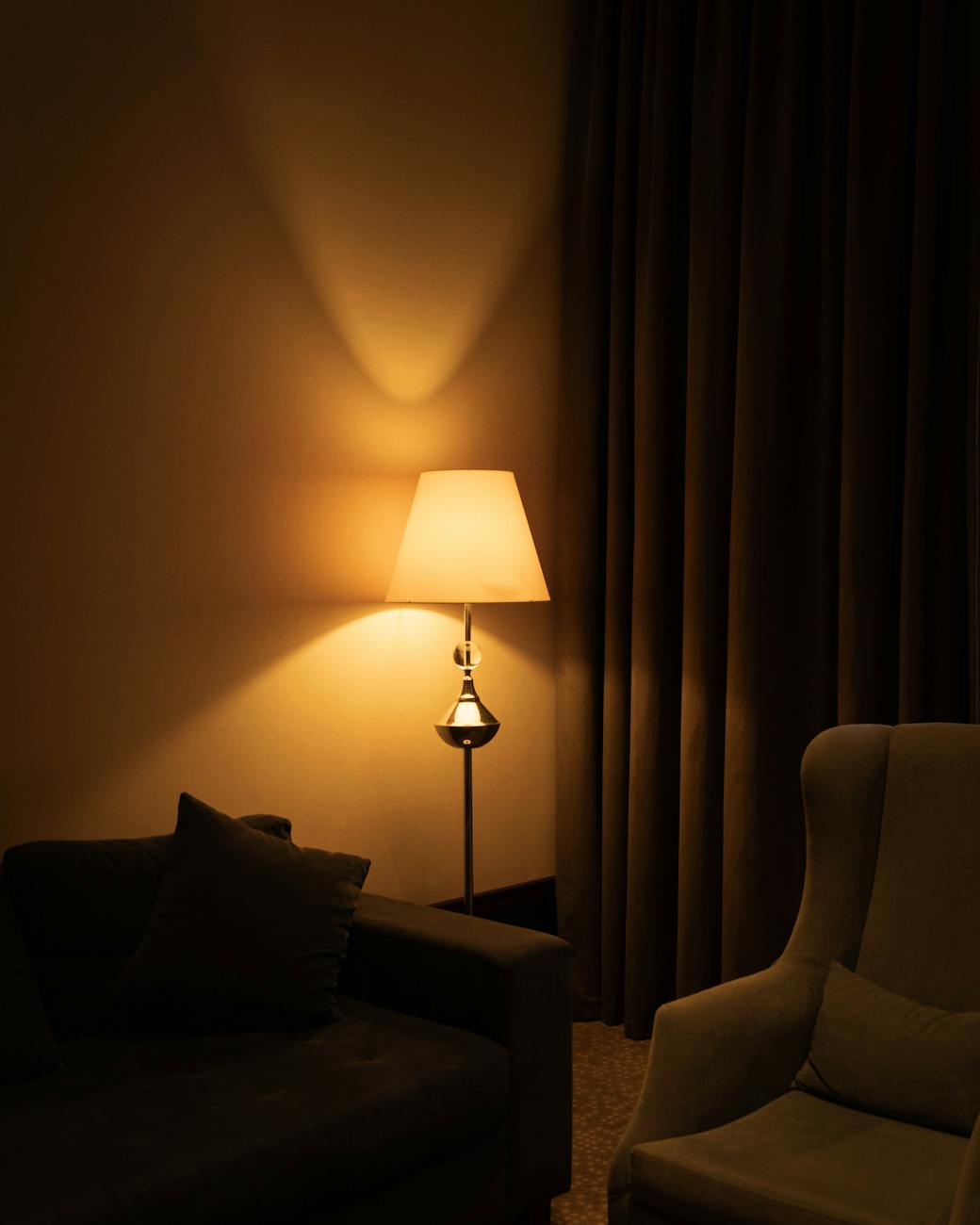
The Physics of Warmth: Deconstructing Layered Lighting Cozy Home
Creating a truly cozy atmosphere is not about simply turning on a single light source; it involves manipulating how light interacts with surfaces and space. We observe from the data that a single overhead fixture delivers flat, undifferentiated illumination, which fundamentally fails to achieve depth or comfort. True ambiance emerges when multiple light sources operate in concert, creating distinct planes of warmth across a room. This layered approach moves beyond mere brightness; it is an exercise in controlling color temperature and light intensity distribution to sculpt the environment. Mastering this technique is central to achieving that coveted **layered lighting cozy home** effect.
Understanding Color Temperature and CRI
The mechanism behind perceived coziness starts with the spectral composition of the light emitted. We deal primarily with Kelvin (K) measurements, which quantify the perceived warmth or coolness of a light source. Light in the 2700K to 3000K range mimics the warm, amber tones of candlelight or incandescent bulbs, stimulating relaxation pathways in the human visual system. Conversely, lighting above 4000K introduces a cooler, more clinical feel, which is suitable for tasks but detracts from domestic serenity.
The Color Rendering Index (CRI) dictates how accurately a light source reveals the true colors of objects under its illumination. A low CRI means shadows and subtle color variations are suppressed, resulting in duller scenes. High-quality lighting requires a high CRI—ideally 90 or above—so that the texture of a velvet throw or the rich grain of dark wood is accurately represented. When we layer lights, ensuring each source has a good CRI maximizes the perceived richness of all decorative elements.
Establishing Lighting Planes: The Three Tiers
We structure layered lighting by establishing distinct zones rather than flooding the space with uniform light. This involves defining three primary planes: ambient, task, and accent. Each plane serves a specific psychological function within the living space.
The ambient layer forms the foundational glow. This is generally provided by indirect sources, such as dimmable floor lamps or hidden LED strips set behind furniture or architectural features. Its purpose is to eliminate harsh shadows and create an enveloping sense of calm across the entire area. It sets the baseline warmth for the room.
The task layer addresses functional needs. This involves direct illumination focused on specific activities, like reading in a corner or working at a desk. These lights should be positioned to minimize glare while providing sufficient intensity where needed. When integrating this with other elements, we must consider how these localized pools interact with the ambient wash.
The accent layer introduces drama and highlights focal points. This is where you introduce targeted light onto art, shelving, or architectural details. By focusing a higher intensity beam on a specific texture or piece of decor, you draw the eye and emphasize the tactile quality of the space. This deliberate contrast between soft ambient light and focused accent light generates depth.
Implementing Warm-Tone Bulbs for Maximum Effect
The choice of light source material directly impacts the resulting atmosphere. We find that using warm-tone bulbs is a non-negotiable starting point when pursuing a cozy aesthetic. Observing the spectral output, bulbs operating around 2700K to 3000K emit photons with a longer wavelength, which our brains process as warmer light.
When installing these bulbs, one must account for fixture type and bulb wattage limitations. Older fixtures may require specific dimmable smart bulbs or physical dimmer switches capable of handling the required current load without failing. We see that poor electrical infrastructure often prevents achieving seamless transitions between lighting planes. Therefore, investing in high-quality, dimmable technology is more crucial than selecting only the right Kelvin number.
Diffusing Light: Softening the Edges
Light itself is only half the equation; how the light interacts with physical objects determines the final coziness quotient. Hard light creates stark shadows, which introduces visual tension that fights against relaxation. To mitigate this, diffusion becomes a critical layer in the design process.
Diffusers are materials or fixtures designed to scatter light evenly across a wider surface area. Opaque fabrics, linen, or frosted glass excel at this function by softening sharp edges. When you place a warm bulb behind a sheer curtain or inside an opal glass lamp shade, you transform harsh points of light into gentle gradients. This process effectively removes visual stressors and allows the light to integrate seamlessly with the surrounding décor.
Consider how textiles affect illumination. Soft textiles absorb and scatter light in a way that enhances intimacy. For example, draping a thick wool throw over a sofa absorbs some ambient light, deepening the shadows underneath, which paradoxically increases the feeling of enclosure and coziness. This interplay between light intensity and material texture is key to sophisticated layering.
Integrating Lighting with Spatial Design
The success of **layered lighting cozy home** design hinges on the relationship between the illumination scheme and the physical arrangement of furniture and space. We must treat the room as a three-dimensional canvas where light sculpts form.
When arranging multi-functional furniture, for instance, positioning seating areas to receive specific ambient washes can define zones more effectively than mere placement alone. Consider how large pieces influence light distribution; heavy, dark furniture absorbs light, grounding the space and enhancing the depth created by lighter, diffused sources elsewhere. This physical anchoring supports the psychological sense of security inherent in a cozy environment.
We must also consider vertical layering. Using wall sconces or uplighting allows us to introduce light that grazes surfaces rather than shining directly down. This technique emphasizes texture—the grain of wood, the weave of a tapestry—turning surfaces into active components of the visual experience rather than passive backdrops.
Practical Application: Creating Your Signature Glow
To move from theory to practice, we analyze the steps for constructing an intentional warm glow. Start by auditing your existing fixtures. Identify areas where harshness exists; this is where you introduce soft diffusion immediately. Then, select your primary temperature—2700K is often the safest starting point for deep comfort. Next, establish your task requirements; ensure that reading nooks possess focused, adjustable light sources. Finally, introduce accent lighting to highlight curated objects and architectural features throughout the evening.
This process requires patience. Adjusting dimmers takes time to calibrate the desired mood. We find that experimenting with combinations—a low ambient glow complemented by a warm accent beam—reveals unique possibilities. The goal is not just illumination; it is atmospheric control. When you master this manipulation of light and material, your home transforms from a collection of rooms into an immersive sanctuary.
Tags: cozy home decor, ambient lighting, warm light, home atmosphere, lighting design, interior design tips, warm tone bulbs
Featured Image by saw sing on Pexels.