
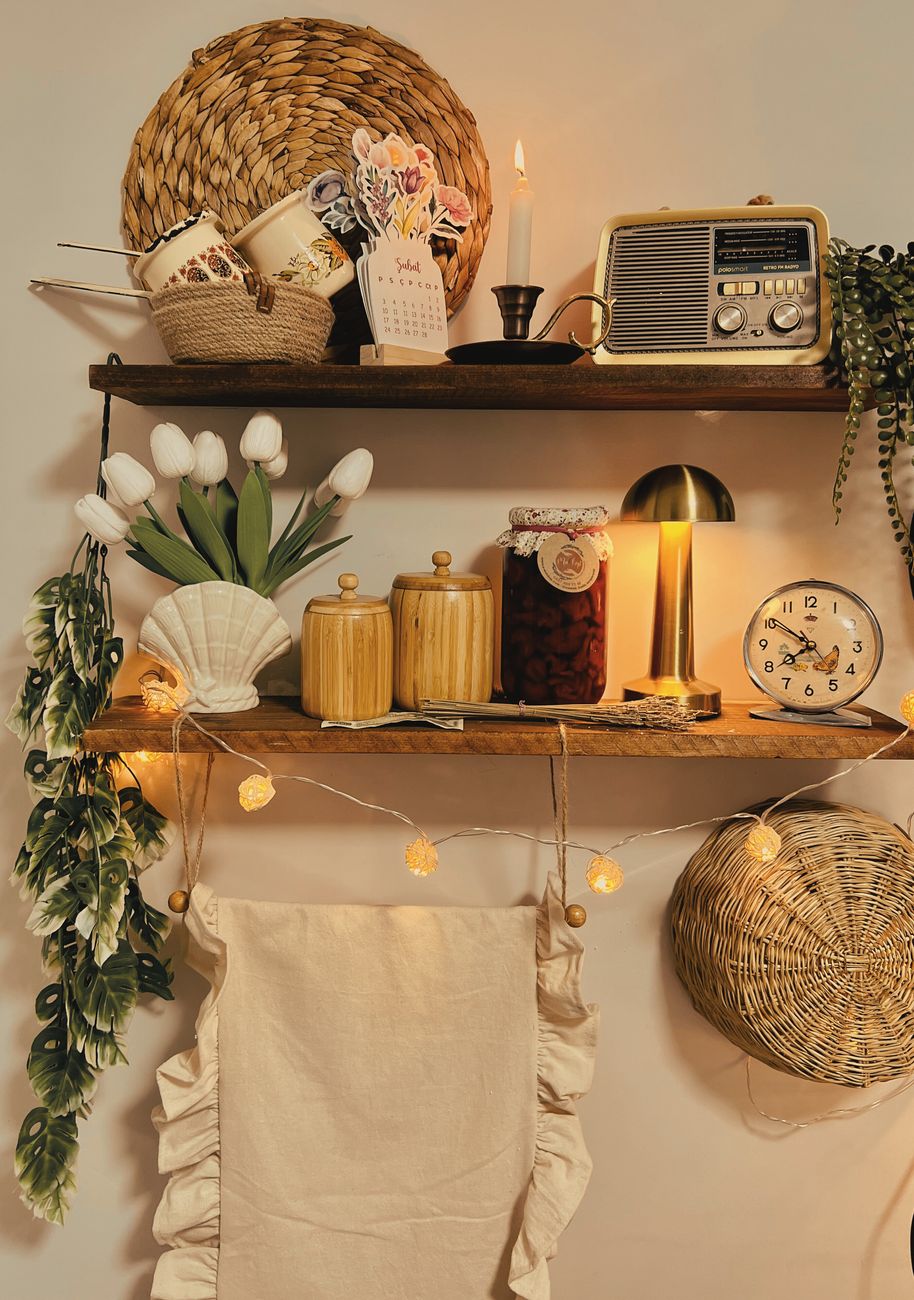
The Science of Shelving: Engineering Warmth into Your Kitchen Space
The kitchen is often the functional core of a home, yet it frequently suffers from visual dissonance—a battle between necessary utility and desired ambiance. We observe that the way we organize and display items directly impacts psychological comfort. Introducing **cozy kitchen shelving decor** is not merely an aesthetic choice; it is an intervention in spatial psychology designed to modulate perceived density and introduce intentional warmth. Think of shelving as a system for managing visual weight, allowing necessary tools and cherished objects to coexist harmoniously rather than competing for attention.
We are dealing with the physics of display here. How do materials interact with light, and how does the arrangement of objects affect flow? A poorly designed shelf creates visual clutter; a thoughtfully curated one generates focal points that invite lingering. This requires understanding surface texture, depth perception, and the strategic deployment of illumination. We move beyond simple decoration toward architectural arrangement within these vertical planes.
Materiality and Texture: Establishing Tactile Comfort
The selection of materials dictates the immediate sensory experience of any shelving unit. Hard, cold surfaces transmit a sense of sterile functionality, whereas organic textures introduce necessary tactile softness. When selecting materials for your **cozy kitchen shelving decor**, we must analyze the interplay between reflectivity and absorption.
For instance, utilizing matte ceramics or untreated, lightly distressed wood introduces an inherent softness that absorbs harsh light, immediately lowering the perceived visual tension in the space. Conversely, highly polished metals reflect light sharply, which can exacerbate feelings of coldness unless balanced by surrounding elements. We find that mixing these properties creates dynamic depth. Consider incorporating woven rattan or linen-backed baskets; these introduce fibrous texture that engages the sense of touch, signaling invitation rather than mere storage capacity.
The visual effect of layered textures is crucial for achieving coziness. A shelf populated only with uniform, hard objects reads as monolithic and impersonal. Introducing varied heights, finishes, and materials breaks down the visual field into digestible segments. This layering mimics natural environments, which our brains are wired to associate with safety and comfort. We see this principle apply across different areas of the home; for example, achieving a similar sensory effect in a bathroom requires careful attention to soft lighting and organic textiles, much like how we approach **Spa Bathroom Decor: Create Your Serene Retreat**.
Lighting as an Architectural Tool
Light is perhaps the most powerful variable when styling shelving. It functions not just to illuminate objects but to sculpt space, emphasizing texture and depth. In a kitchen setting, overhead fluorescent lighting often creates unflattering shadows and harsh contrasts that negate any attempt at coziness. We must deploy layered lighting strategies.
Employing warm-toned LED strips recessed beneath shelves allows light to wash across the material rather than just strike an object from above. This technique enhances the inherent warmth of wood tones and deepens the shadows created by textural elements. Furthermore, strategic accent lighting draws the eye specifically to curated vignettes on the shelves. When you focus attention on a specific arrangement—a stack of cookbooks or a collection of artisanal jars—you elevate those items from mere storage to intentional decor.
The contrast between bright illumination and shadowed recesses introduces visual drama that feels rich rather than empty. We are manipulating light intensity to control mood, making the functional space feel intentionally designed for dwelling. This manipulation moves the shelving from being purely utilitarian to becoming an immersive design feature.
Organizing for Flow: The Mechanics of Smart Storage
A beautiful display fails if the underlying organization is chaotic. True coziness stems from effortless access and a sense of order, which requires an analytical approach to storage mechanics. We must address the functional demands of the kitchen while simultaneously layering the aesthetic goals. This means integrating smart storage solutions directly into the shelving design.
Vertical space management is paramount in tight kitchen environments. Utilizing floating shelves maximizes floor space, creating an illusion of expanded room volume above the countertop. When planning these installations, calculate the necessary clearance for both the items themselves and the visual breathing room required between them. We observe that insufficient spacing forces a sense of compression, instantly negating any perceived softness introduced by the materials.
For deep storage or frequently accessed items, modular containers become essential. Opacity and consistent shape are key here. Choosing matching bins—whether woven canvas, matte acrylic, or natural wood—creates visual continuity across disparate objects. This standardization reduces cognitive load; the eye processes the shelf as a unified system rather than a collection of random possessions. We are engineering containment systems that support aesthetic goals.
Curating the Narrative: From Function to Focal Point
The final stage involves curating the content displayed on these shelves. The goal is to shift the focus from *what* you store to *how* you present it. Every shelf should tell a small, cohesive visual story relevant to kitchen living—a narrative of culinary passion, daily rituals, or curated beauty.
We analyze what objects carry emotional weight versus those that merely occupy space. Items with strong textural qualities or personal history perform better as focal points. Grouping items by theme—for instance, grouping spice jars together, or pairing artisanal ceramics with cookbooks—creates visual rhythm. This intentional juxtaposition prevents the shelving from appearing like storage overflow; instead, it functions as an accessible gallery.
The impact of this narrative strategy is amplified when the surrounding environment supports it. If you are creating a sanctuary space, whether in the kitchen or elsewhere, the atmosphere must be intentional. The deliberate placement of soft textures and warm light works synergistically with organized containers to achieve that desired sense of relaxed dwelling. Mastering **cozy kitchen shelving decor** involves understanding these physical mechanisms—light reflection, material absorption, and spatial organization—to engineer a space that feels both deeply functional and profoundly inviting.
Tags: kitchen decor, shelf styling, cozy home, kitchen organization, open shelving, home decor tips, kitchen design
Featured Image by yasminizm on Pexels.