
The Science of Tactility: How Bedding Textures Manipulate Perceived Comfort
We often associate comfort with softness, yet the actual mechanism by which our brains process tactile input is far more complex than a simple correlation between fluffiness and relaxation. When we select bedding materials, we are not merely choosing something to cover our bodies; we are engaging in a sensory negotiation that directly influences our psychological state within the sleeping environment. Observing the data on human perception, we see that variations in surface texture trigger specific neurological pathways that signal safety and invitation to rest.
The visual appeal of a bedroom is one thing; the physical experience of sleeping there is another entirely. Different fibers interact with light, absorb sound, and modulate thermal regulation in distinct ways. This interaction dictates how our somatosensory cortex interprets the space. A highly structured, smooth surface offers a different sensory experience than a deeply piled, uneven one. Understanding this tactile feedback loop allows us to move beyond superficial aesthetics toward genuine environmental design.
Decoding Material Properties for Sensory Engagement
The choice of textile directly impacts the perceived coziness of a room. We observe that materials with complex surface topography engage more sensory receptors simultaneously, creating a richer experience. For instance, the unevenness inherent in a chunky knit or a richly woven velvet forces the visual system to process subtle shifts in light and shadow across the surface. This complexity signals depth and invitation, effectively reducing cognitive load associated with simple, flat surfaces.
Consider the difference between a tightly woven percale and a loosely woven linen. Percale offers a crisp, cool feel, which some find refreshing, but it lacks the deep tactile engagement that many associate with ultimate coziness. Linen, conversely, introduces natural slubs and a relaxed drape; its texture invites slow, lingering touch. This deliberate textural variance plays a crucial role in achieving the desired atmosphere. We see this principle repeated across interior design; for example, Layering Cozy Textiles for a Warm Kitchen Aesthetic demonstrates how surface quality dictates environmental feeling.
The Impact of Specific Textures on Sleep Architecture
The environment directly influences the physiological processes governing sleep cycles. Our bodies seek predictable sensory input to initiate the transition into deep sleep stages. When we select unique bedding textures bedroom, we are subtly programming this transition. Rougher, more textural surfaces can offer a grounding sensation, acting as an anchor against external stimuli. This grounding effect is particularly beneficial for individuals prone to restlessness.
Velvet, for example, possesses a dense pile that traps light and sound, creating a sensory cocoon. This enveloping quality mimics the feeling of being securely nestled, which has been shown in some studies to lower physiological stress markers before sleep onset. Conversely, smooth, cool fabrics like high-thread-count sateen provide a slick, uninterrupted surface that facilitates a more purely restful state for those who prefer minimal tactile distraction. We must account for individual physiological responses when designing these sleeping sanctuaries.
Exploring the Spectrum of Textural Options
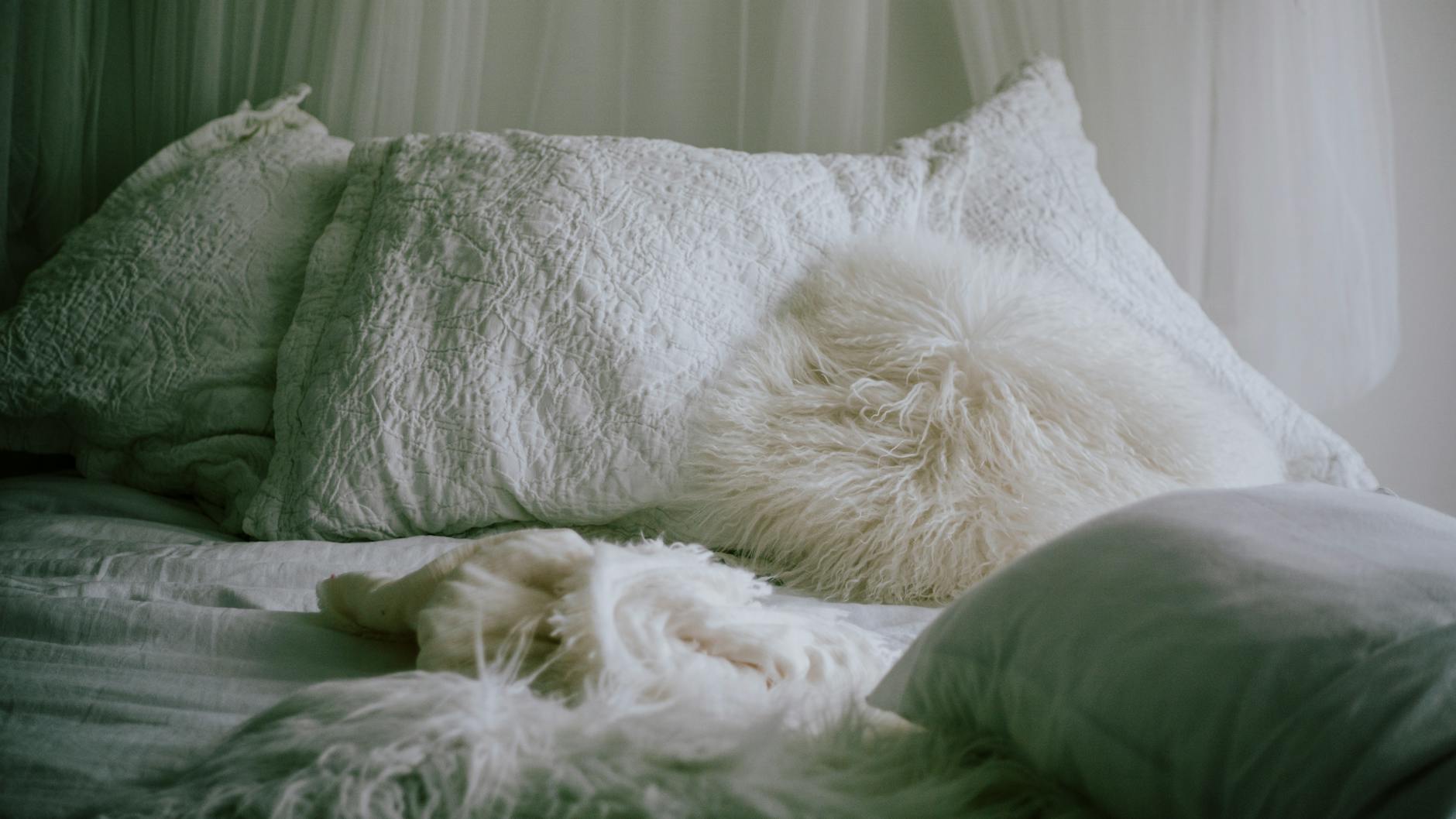
The market offers an astonishing variety of fibers, each carrying a distinct sensory signature ready to reshape your bedroom aesthetic. Faux fur introduces an element of luxurious, deep softness, simulating the density and warmth of natural pelts without the maintenance overhead. It delivers maximum tactile invitation in a compact form. Meanwhile, natural linen appeals to those seeking an organic, breathable feel, allowing air circulation while maintaining a wonderfully soft hand against the skin.
Wool fibers offer unparalleled thermal regulation capabilities; their crimp structure traps air effectively, providing insulation that manages body temperature naturally. When analyzing how these materials perform, we see a direct relationship between fiber density and thermal retention. This mechanism explains why heavier textiles often equate to greater perceived coziness in cooler climates or during winter months.
Weaving Narratives Through Layering Fabrics
The true depth of cozy design emerges when textures are intentionally layered rather than applied singularly. A single sheet provides a baseline; layering introduces dynamic visual and tactile information that engages the eye and the hand simultaneously. This layered approach moves beyond surface decoration into immersive environmental storytelling. Think about how different materials interact with each other: the slight friction between a smooth silk and a fuzzy knit creates an interesting micro-texture that deepens the visual richness of the space.
This layering technique is vital for achieving true textural depth, moving away from monolithic surfaces toward complex sensory landscapes. Textural Tales: Layering Fabrics for Ultimate Cozy Ambiance illustrates this concept perfectly; when fabrics overlap and intermingle, they create zones of tactile warmth and visual interest that engage multiple senses at once. We observe that this layered complexity is what our brains interpret as a rich, inviting atmosphere.
Practical Application in Bedroom Design
Implementing these textural principles requires a strategic approach to material selection based on intended function. If the primary goal is thermal insulation and deep enveloping comfort during sleep, materials with higher density or loft, such as heavy velvet or thick wool throws, provide the necessary physical barrier. If the objective leans toward an airy, breathable, yet still soft aesthetic suitable for year-round use, natural linen blends offer superior textural elegance.
When integrating these elements, we must consider the flow and visual rhythm of the room. A bedroom should feel like a sanctuary where tactile comfort is prioritized without sacrificing clean lines. For instance, pairing a heavily textured accent pillow with smooth, cool sheets creates a deliberate contrast that heightens the perceived luxury of both materials. This juxtaposition prevents the space from feeling overly heavy or visually flat.
The decision process involves analyzing the interplay between material weight and visual impact. Lighter fabrics allow light to pass through and reflect softly, creating an ethereal quality, whereas denser materials absorb light, fostering a sense of cozy enclosure. Experimenting with these contrasts allows the decorator to fine-tune the sensory experience for their specific needs.
The exploration of unique bedding textures bedroom is ultimately about understanding material science applied to human psychology. By intentionally selecting fibers based on their tactile properties and thermal behavior, we engineer an environment that actively promotes relaxation and deep rest. This analytical perspective shifts the focus from mere decoration to functional, deeply comfortable living spaces.
Tags: bedding textures, bedroom decor, cozy home, bedding inspiration, velvet bedding, linen bedding, home textiles
Featured Image by Karl Solano on Pexels.