
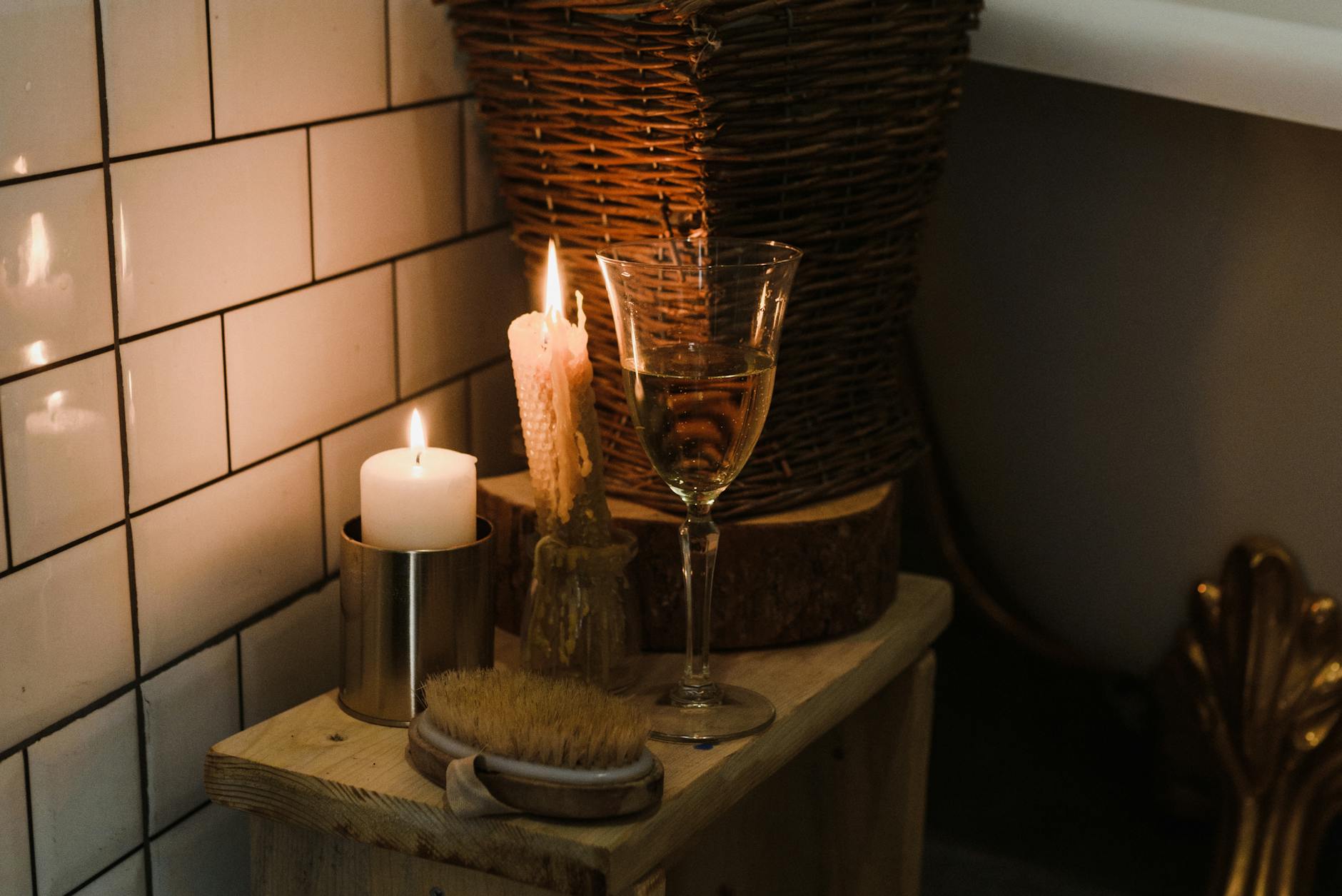
The Mechanics of Hygge: Engineering Comfort in Your Bathroom Space
We often approach bathroom design as a purely functional exercise—a space for hygiene and utility. However, when we introduce the principles of hygge into this environment, we shift the focus entirely toward sensory experience and psychological comfort. Creating a true hygge sanctuary within a bathroom requires manipulating light, texture, and material choice to influence our immediate emotional state. This is not simply about placing soft towels; it is about engineering an atmosphere where stress dissipates and contentment accrues.
The core mechanism of hygge operates by reducing visual and tactile friction. When entering a space, the brain processes environmental cues instantaneously. Harsh, cool lighting and hard, unyielding surfaces generate cognitive resistance. Conversely, warm, diffused light interacting with soft textiles signals safety and invitation. We observe from the data that this sensory input directly correlates with lower cortisol levels and increased feelings of well-being.
Optimizing Illumination for Hygge Ambiance
Lighting is arguably the most potent tool in establishing a hygge bathroom decor. Standard fluorescent or stark overhead lighting functions as an environmental irritant; it emphasizes sharp shadows and clinical sterility. To reverse this effect, we must intentionally deploy warm color temperatures. We are looking at light sources below 3000 Kelvin, ideally settling around 2700K, which mimics the gentle glow of candlelight or sunset.
The placement of this warm light dictates the spatial experience. Instead of relying on a single, harsh fixture, we implement layered illumination. Incorporating dimmer switches allows for fine-tuning the intensity based on the time of day or desired mood. Strategic placement of sconces, perhaps flanking a mirror, creates pools of intimate light rather than uniform illumination across the entire room. This technique breaks down large visual fields into smaller, more manageable zones of coziness.
Consider the effect of reflective surfaces. Matte finishes absorb light gently, preventing glare, while carefully chosen fixtures reflect that warm tone back into the space, intensifying the feeling of warmth. The interplay between shadow and light becomes a deliberate design element, adding depth that sterile environments lack. We are designing an experience, not just furnishing a room.
Texture as a Tactile Anchor
The tactile component of hygge decor addresses the sense of touch directly. Bathrooms frequently employ materials—smooth porcelain, cold tile, hard metal—that communicate durability over comfort. Introducing varying textures introduces complexity that engages the skin and promotes a feeling of grounding. We need textiles that invite touch and promise softness.
Consider the strategic application of materials. Thick, plush bath mats are an immediate entry point to coziness. Beyond the floor, layering elements further enhances this tactile experience. Imagine thick, waffle-weave bath towels or velvet shower curtains. These fabrics introduce visual softness while offering a tangible invitation to slow down. The physical sensation of touching something soft acts as a grounding mechanism, pulling awareness away from external stressors and into the immediate physical reality.
We see this principle extend beyond the bathroom walls. When designing living spaces, layering rugs is a proven technique for mastering depth; applying similar principles to textiles in the bathroom achieves a similar effect of creating rich, layered comfort. The choice between rough linen and soft chenille makes an enormous difference in the perceived atmosphere of the room.
Material Selection: Grounding the Hygge Aesthetic
The materials we select must support the warm, inviting narrative. Ceramic tiles, while durable, can feel cold if left unadorned by softer elements. We look for ways to introduce organic textures into the hardscape. Natural wood tones, even in accessories or shelving, provide an inherent warmth that synthetic materials often fail to replicate.
Stone and wood accents serve as anchors. A wooden bath caddy or a ceramic soap dish made from matte, earthy clay introduces an organic counterpoint to the typically manufactured nature of bathroom fixtures. This juxtaposition—the hard structure softened by the warm material—is central to achieving hygge. We are balancing functionality with sensory pleasure.
When sourcing textiles for curtains or towels, focus on natural fibers like organic cotton, linen, or wool. These materials possess a natural texture and a pleasing drape that inherently supports the hygge aesthetic without needing excessive pattern. The visual texture of the weave becomes as important as its color palette in this context.
Curating Accessories: Intentional Display
The objects placed within the bathroom must serve a dual purpose: utility and atmosphere creation. Every item should contribute to the overarching feeling of sanctuary. We avoid clutter, understanding that visual noise actively opposes tranquility. Therefore, accessories must be intentionally curated; they are not mere decorations but functional elements embedded within the hygge framework.
Think about storage solutions. Open shelving filled with mismatched, textured ceramics or woven baskets encourages a sense of collected warmth rather than sterile organization. Items like bath rollers or soap dispensers should be chosen for their tactile appeal—heavy glass or matte ceramic—rather than purely utilitarian plastic. These choices reinforce the sensory experience.
We can also integrate handcrafted elements that speak to artisanal comfort. Bringing in items reminiscent of cozy indoor crafts, perhaps a beautifully woven throw or a unique piece of textile art, bridges the gap between functional space and personal retreat. This deliberate inclusion of handmade quality deepens the emotional resonance of the decor.
The result is a bathroom where every surface, every light beam, and every touch conspire to deliver an enveloping sense of hygge. It requires an intentional shift from merely cleaning a room to actively designing an atmosphere for deep, restorative comfort.
Tags: hygge bathroom decor, cozy bathroom, warm lighting, bathroom design, hygge style, textile decor, home decor
Featured Image by Arina Krasnikova on Pexels.