
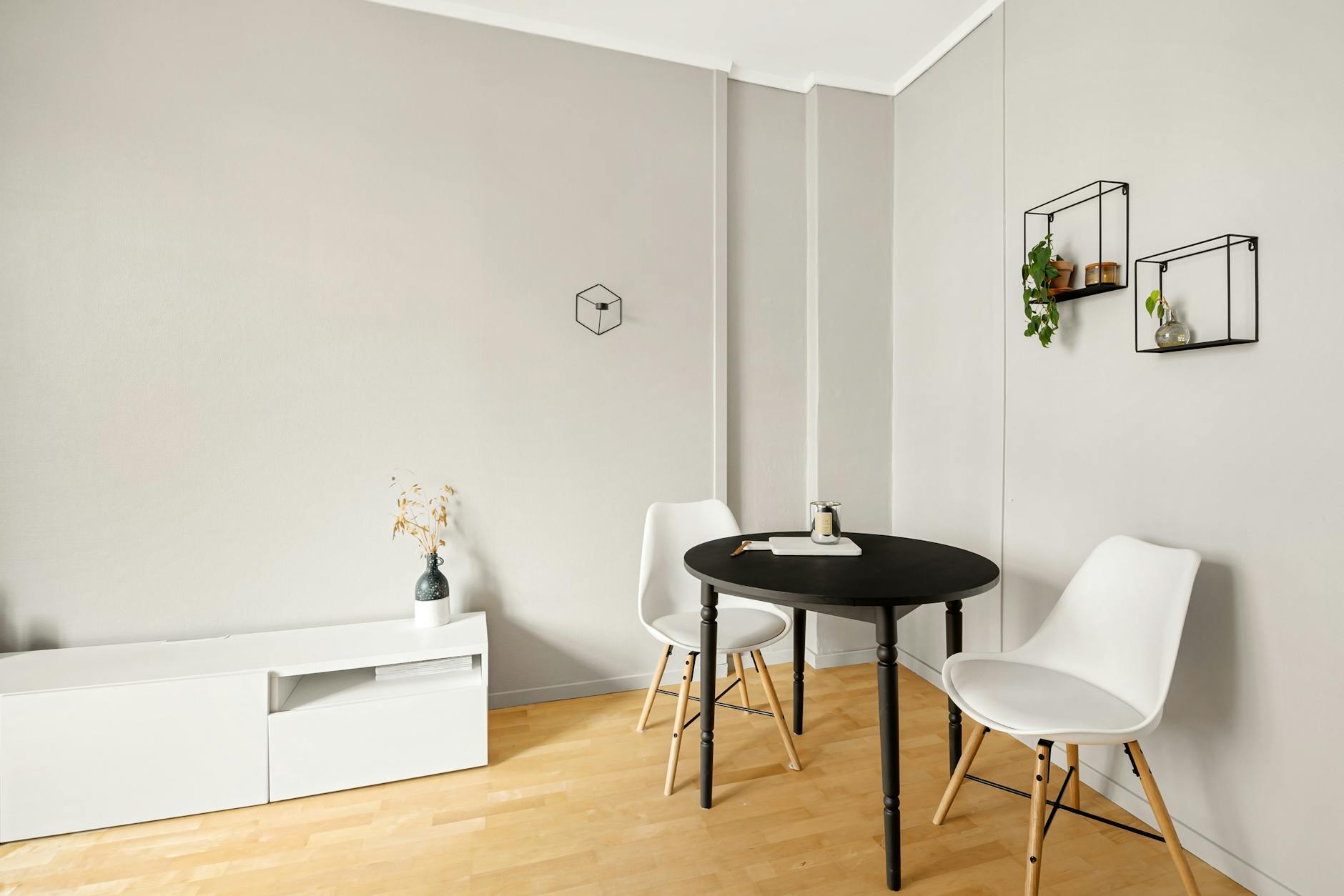
Vertical Magic: Storage & Style for Tiny Apartments
When living in a small space, the constraint shifts from mere physical footprint to spatial efficiency. We begin by understanding that maximizing utility in a tiny apartment is not just about fitting things inside; it is about manipulating perceived volume and leveraging the full vertical plane. This approach transforms limitations into design opportunities. We are exploring how strategic vertical implementation dictates both functional storage solutions and the overall aesthetic coherence of a compact living area.
Deconstructing Small Space Storage Ideas for Maximized Volume
The fundamental principle when tackling limited square footage is to abandon horizontal sprawl in favor of vertical ascent. Observing the architecture of small apartments reveals that the walls offer an untapped resource, capable of accommodating systems designed to pull items off the floor and onto the ceiling. This strategy directly addresses the scarcity inherent in constrained environments.
Implementing Vertical Shelving Systems
Standard, floor-based furniture consumes valuable circulation space. Therefore, shifting storage mechanisms upward fundamentally alters the room’s visual dynamics. We move from static objects occupying floor area to dynamic systems utilizing wall space. For instance, installing tall, narrow bookshelves effectively draws the eye upward, creating an illusion of greater ceiling height. This technique manipulates the viewer’s perception of spaciousness, making the apartment feel less cramped than its actual dimensions suggest.
Consider the mechanism of modular shelving units. These systems allow for precise calibration based on the room’s specific dimensions and the density of items requiring storage. We observe that open shelving, when utilized correctly, minimizes visual weight compared to bulky cabinetry, keeping the aesthetic airy. The key is selecting materials and fixture types that harmonize with the desired cozy ambiance; layering textures in this context becomes crucial for softening hard architectural lines and enhancing the tactile experience of the space (see Layering Textures: Mastering Cozy Home Decor Aesthetics).
Utilizing Wall Space Beyond Bookshelves
Not all vertical storage must manifest as traditional shelving filled with books. We can deploy functional wall systems to manage utility in ways that respect the flow of daily life. Consider utilizing pegboards or slatwall systems. These customizable surfaces allow occupants to attach hooks, rails, and small compartments tailored precisely to the items they need to store—tools, kitchen utensils, decorative hooks, even small plants. This adaptability is a direct response to the non-uniformity of needs found in smaller dwellings.
We also see efficacy in utilizing vertical hanging solutions for clothing and accessories. Instead of deep dressers that consume floor space, installing high-density closet systems or using tension rods to hang items maximizes storage density within the existing footprint. This reduces clutter accumulation significantly because every inch of wall surface becomes an active storage zone rather than passive wall space.
Strategic Furniture Selection in Compact Interiors
The selection process for furniture in a small apartment demands a rigorous assessment of spatial occupation. Every piece must justify its existence by contributing significant functionality without imposing undue visual bulk. We analyze how certain design choices act as efficient volume managers.
Prioritizing Multi-Functional Pieces
In compact living scenarios, the concept of multi-functionality moves from being a nice feature to an absolute necessity for functional viability. A storage ottoman, for example, serves dual purposes: it functions as seating while simultaneously providing concealed storage capacity. This mechanism eliminates the need for separate, dedicated storage units, reducing overall visual noise. We seek items where the primary function supports multiple needs simultaneously.
When evaluating seating, choosing pieces with elevated legs allows sightlines to travel underneath, preventing the visual weight of the furniture from anchoring the room too heavily to the floor. Similarly, prioritizing vertical storage means selecting tall, slender pieces rather than wide, squat ones. This choice dictates how the eye processes the space; a taller object encourages an upward focus, which reinforces the vertical strategy we have established.
The Impact of Depth and Scale on Perception
The perceived depth of objects plays a massive role in managing spatial anxiety. Deep, bulky furniture creates psychological barriers in small rooms. Therefore, minimizing the necessary depth of storage components is an active step toward creating visual flow. We observe that shallow wall-mounted cabinets perform this function exceptionally well, as they occupy space without protruding significantly into the room’s volume.
This consideration extends to smaller functional areas, such as bathrooms. Even here, vertical design offers solutions. Utilizing narrow, tall shelving units above vanities frees up counter space below, creating a perception of greater usable surface area. Similarly, for bathroom necessities, opting for wall-mounted towel racks or tiered organizers over floor-based storage maintains the essential aesthetic while maximizing accessible storage volume (see Cozy Bath Accessories for a Hygge Bathroom).
Integrating Style Through Vertical Organization
The challenge in small spaces is balancing intense functionality with a desired sense of coziness and style. The storage solution must not look like an afterthought; it must be integral to the decorative narrative of the apartment. This requires intentional curation of what is displayed versus what is concealed.
Curating Displayed Items
When employing vertical storage, the objects placed on the shelves become the focal points. We must treat these displays as carefully composed vignettes rather than mere storage repositories. Introducing varying heights and textures onto a shelf prevents monotony and encourages engagement with the display. For example, mixing neatly stacked books with sculptural ceramic objects or woven baskets introduces necessary visual rhythm.
This intentional arrangement directly relates to tactile experience. Incorporating textiles—a chunky knit throw draped over a shelf, a woven basket holding necessities—softens the potentially stark geometry of the built-in shelving. This layering effect is what transforms functional storage into cozy decor. The juxtaposition of rough wood textures against soft fabrics enhances the desired hygge atmosphere.
Managing Visual Density and Flow
The goal is to achieve visual lightness despite maximizing physical density. If every vertical space is crammed with heavy, dark objects, the room will feel visually weighted and oppressive. We must employ strategic negative space within the storage configuration. Allowing some of the vertical space to remain intentionally open prevents the walls from becoming solid blocks. This creates pathways for light and air, which are essential elements in making a small space feel expansive rather than confined.
We analyze the density of visual information. A densely packed shelf suggests overload. An artfully curated vertical arrangement suggests intentional design. By focusing on lightweight materials where possible and maintaining breathing room between displayed items, we ensure that the storage system actively enhances the cozy atmosphere instead of competing with it. This careful calibration ensures that the implementation of small space storage ideas results in a genuinely inviting and highly functional living environment.
Tags: small space storage ideas, apartment decor, vertical storage, tiny apartment hacks, small space solutions, home organization, space saving
Featured Image by Lisa Anna on Pexels.