
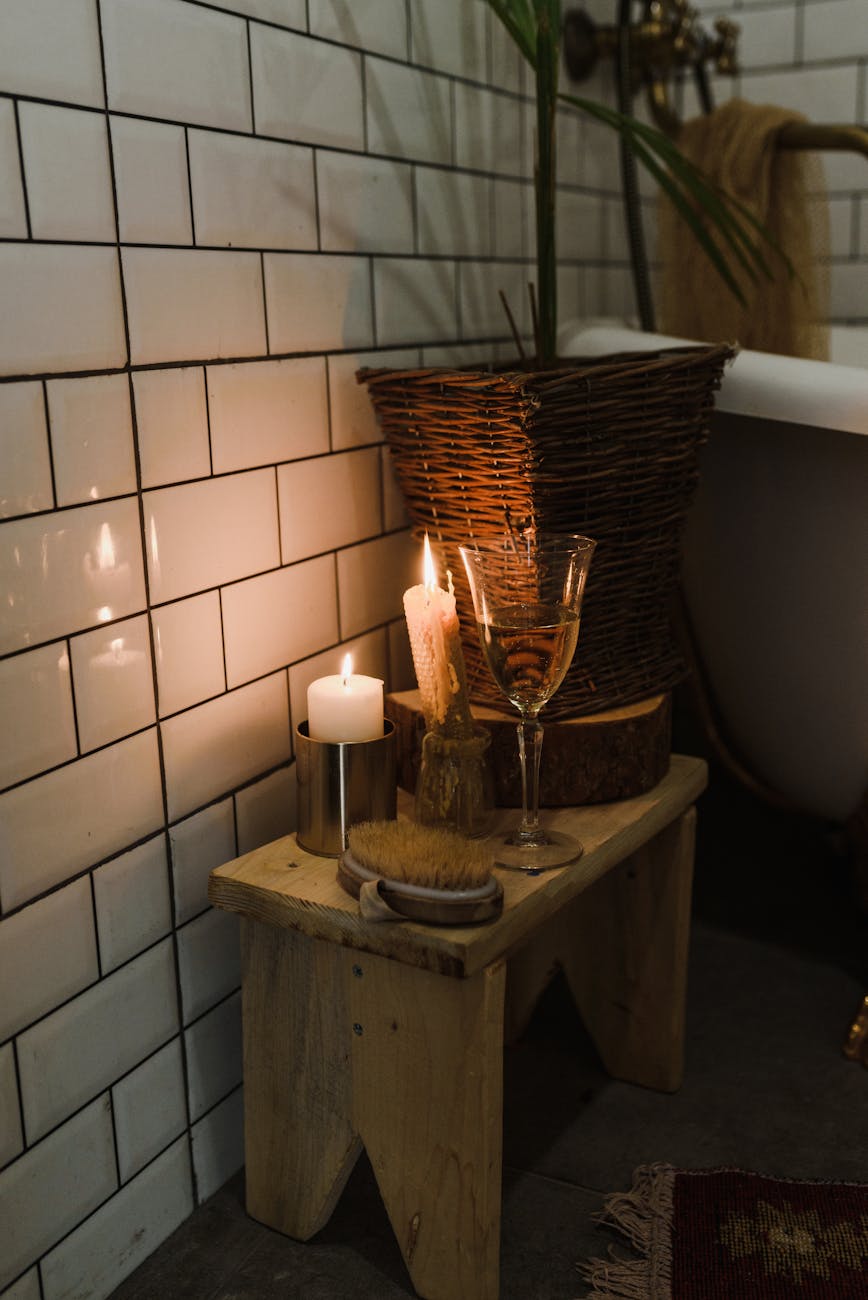
Engineering Comfort: The Psychology Behind Cozy Bath Accessories
We seek to engineer environments where daily routines shift from mere functionality into intentional acts of self-care. This pursuit is particularly potent within the bathroom space, a confined area ripe for sensory manipulation. When selecting items for your bathing ritual, we are not just choosing objects; we are calibrating the psychological state of the room. The concept of hygge, which permeates this aesthetic, functions as a framework for creating intentional, warm atmospheres. Cozy bath accessories are the physical manifestations of this principle, offering tactile anchors that engage the sense of touch and evoke immediate feelings of contentment.
The mechanism at play here involves sensory input processing. Our brains register the texture of a soft towel or the smooth weight of a ceramic soap dish, translating these physical interactions into emotional states. A cold, hard surface signals alertness or clinical detachment; conversely, incorporating organic textures—like thick, looped cotton or matte ceramic—activates pathways associated with safety and relaxation. We observe that small, intentional touches, such as a hand-thrown mug or a beautifully woven bath mat, serve as focal points that interrupt the cognitive load of the day. These items act as anchors, tethering the user to the present moment during moments often spent in transition, like morning hygiene or evening winding down.
Tactile Engagement and Sensory Calibration
The effectiveness of cozy bath accessories stems directly from their capacity for tactile engagement. Consider the material science behind comfort. Natural fibers possess inherent thermal properties that regulate ambient temperature through insulation; wool, for instance, traps air effectively, providing a superior sense of warmth compared to synthetic alternatives when used in damp environments. When you introduce these materials into the bathroom setting, you are actively modulating the perceived microclimate.
We see this principle applied across decor. For example, selecting textiles that mimic the softness found in natural fibers helps establish an immediate baseline of tranquility. If your overall aesthetic leans toward muted tones and organic forms, integrating items with similar tactile qualities reinforces the intended narrative. This intentional layering creates a cohesive sensory experience that resists the visual clutter often associated with purely functional spaces.
Curating the Ritual: From Necessity to Luxury
The transition from simply needing soap or a towel to engaging in a deliberate ritual is facilitated by thoughtful accessory selection. Cozy bath accessories bridge this gap, transforming mundane tasks into mindful experiences. This process involves recognizing the utility of small objects and elevating their presentation. A simple wooden soap dish, for instance, moves beyond being mere storage; it becomes a sculptural element that invites prolonged visual appreciation before use.
This elevation is achieved through attention to detail in form and finish. We observe that items crafted with an artisanal quality—whether hand-knitted or carefully molded—carry inherent value precisely because they suggest time and human intention behind their creation. This contrasts sharply with mass-produced items, which offer functional equivalence but lack the psychological resonance required for true coziness. When you select these pieces, you are investing in a daily ritual that supports mental decompression.
The Aesthetic Integration: Merging Function and Atmosphere
Creating a hygge bathroom requires more than just scattering soft things; it demands an integrated aesthetic where function and atmosphere coexist without friction. This is the process of visual harmony. We must analyze how textures, colors, and forms interact to establish a unified mood, moving beyond simple decoration toward environmental design.
The interplay between various elements is critical. If you opt for rich, deep colors on your walls, the accessories should provide a softening counterpoint. Introducing lighter, textural items prevents the space from feeling heavy or oppressive. For instance, pairing dark cabinetry with light, nubby textiles introduces necessary contrast that prevents monotony. This balancing act ensures that the room feels enveloping rather than simply decorated.
We see this dynamic when considering color palettes. Selecting materials in muted, earthy tones allows for a profound sense of calm. When working within a serene neutral sanctuary, using items like soft sage and cream establishes a foundational serenity. These colors absorb light gently, fostering an atmosphere where visual noise recedes, allowing the tactile elements to take precedence. This strategy works by reducing visual stimulation, which in turn reduces cognitive stress associated with clutter.
Material Choices and Visual Weight
The material selection dictates the visual weight of the space. Heavy, matte ceramics anchor a space, providing a sense of grounded stability. Lighter textiles, such as sheer linens or fine cottons, introduce an airy quality that prevents the room from feeling weighed down by heavy fixtures. When integrating these choices, we must consider the reflectivity of the surfaces. A high-gloss finish can introduce sharp, distracting reflections, whereas a matte, porous texture encourages soft light diffusion, enhancing that desired warm glow.
This analysis suggests that textural variation is as important as color theory in achieving coziness. The juxtaposition of rough linen against smooth marble creates dynamic visual tension. This tension is not conflict; rather, it is the essential ingredient for an engaging, layered interior experience. Think about how these elements interact when you consider other decor choices, perhaps integrating elements like DIY Macrame Wall Hangings: Boho Decor You Can Make (https://decorandliving.com/diy-macrame-wall-hangings/) to introduce organic vertical lines that complement soft horizontal textures.
Implementing the Cozy Bath Accessories Strategy
Moving from theory to practical application requires a systematic approach to sourcing and arranging these items. We must assess how individual pieces contribute to the overall sensory ecosystem of the bathroom, ensuring every item serves a purpose beyond mere aesthetics. This involves understanding scale and placement within the physical constraints of the room.
The principle of intentional grouping is key here. Instead of scattering accessories randomly, group them functionally. For example, all items related to the bathing experience—loofahs, bath bombs, and soft robes—should be intentionally placed within a defined zone. This creates a distinct “hygge corner,” signaling that this area is dedicated solely to relaxation. This spatial definition enhances the psychological effect of the objects themselves.
When sourcing, focus on texture first, then scale. A small item, like a delicate wooden soap dish, works effectively when paired with larger, enveloping pieces, such as a thick bath mat or a plush towel. The visual hierarchy must support the desired feeling of warmth. We find that focusing on natural textures allows for greater perceived value, as consumers associate these materials with authenticity and comfort.
Establishing the Hygge Atmosphere Through Layering
Layering is the mechanism by which we build an immersive atmosphere. This means layering textiles over surfaces, mixing matte finishes with soft sheen, and balancing hard lines with soft curves. Imagine draping a heavy, cream-colored towel over a wooden shelf; this immediately introduces warmth through color absorption and textural contrast. It suggests an invitation to pause and settle in.
This layering process extends beyond the bathroom walls themselves. It connects the experience of the bath to the rest of the home environment. The intention is to carry that feeling of enveloping comfort into the daily routine. Consider how these sensory inputs connect with the broader theme of a serene neutral sanctuary, which guides color choices and material selection across the entire dwelling (see: Soft Sage & Cream: Your Guide to a Serene Neutral Sanctuary (https://decorandliving.com/sage-cream-neutral-sanctuary/)). The bath becomes an extension of this larger, intentional calm.
The final objective is to ensure that the act of entering the bathroom initiates a state of deep relaxation. Cozy bath accessories facilitate this transition by providing sensory cues that signal safety, warmth, and unhurried time. They are not superficial additions; they are calibrated tools designed to optimize the psychological experience within the smallest, most personal sanctuary we inhabit daily.
Tags: hygge bathroom, bath accessories, cozy decor, bathroom styling, home comfort, hygge living, cozy home
Featured Image by Arina Krasnikova on Pexels.