
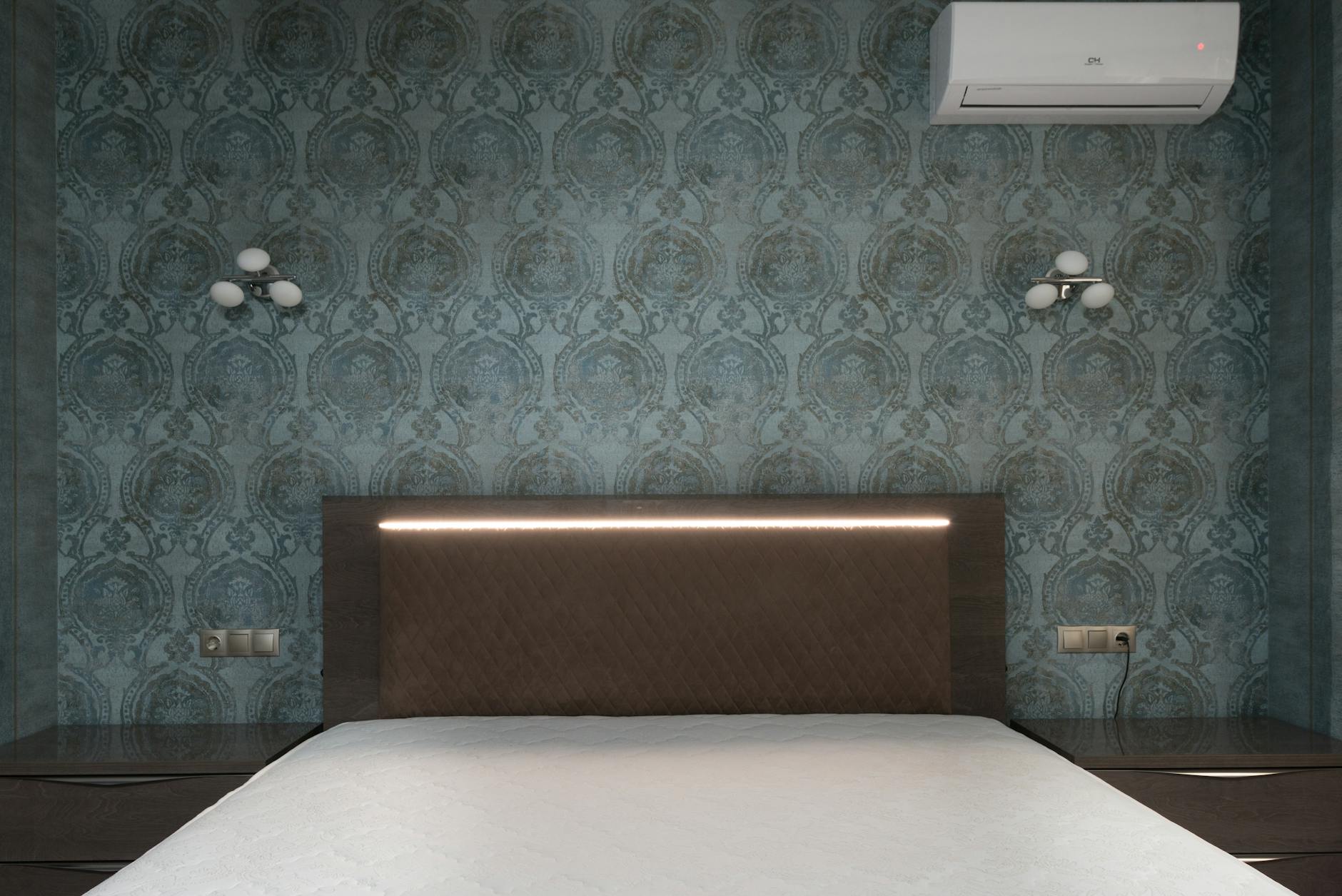
The Architectural Impact of Statement Headboards
When selecting a headboard, we are not simply choosing a backdrop for the bed; we are defining the focal point and establishing the architectural rhythm of the entire sleeping space. A statement headboard functions as an anchor piece, dictating the visual hierarchy and setting the immediate tonal register for the room. Observing design trends across various aesthetics reveals that this single element possesses immense gravitational pull over the perceived luxury and coherence of the decor. We observe from the data that investing in a statement piece allows the interior design to move beyond mere arrangement into intentional, curated statement-making.
The mechanism by which a headboard exerts this influence is through scale and material juxtaposition. A large, richly textured headboard immediately commands attention, pulling the viewer’s eye and establishing the room’s primary axis. Conversely, a minimalist frame introduces negative space, allowing other elements—like art or textiles—to assume greater visual dominance. Understanding this dynamic requires analyzing how different materials interact with light and shadow across the nightscape.
Deconstructing Material Choices for Impact
The material selection directly impacts the tactile experience of the room. For example, upholstered headboards introduce softness and depth that contrast sharply with hard surfaces like polished floors or metal accents. Consider the difference between a smooth, cool linen surface and a deeply tufted velvet; one communicates sleek modernity, the other evokes enveloping comfort. We see this effect replicated across different design philosophies.
Mid-century modern aesthetics favor clean lines and rich, warm woods, often utilizing materials like walnut or teak to emphasize organic form. Statement headboard ideas in this context focus on geometric simplicity paired with quality craftsmanship. Bohemian styles, conversely, leverage textiles—macrame, woven fibers, and rich, earthy tones—to introduce textural complexity. This layering of texture is crucial for achieving a sense of enveloping coziness; it mimics the tactile comfort explored in areas like Hygge Bathroom Decor: Cozy Textures for a Relaxing Sanctuary.
Exploring Specific Statement Headboard Ideas
The sheer volume of design possibilities means that finding the right confluence of personal taste and structural suitability is the core challenge. We examine several high-impact approaches to understanding how these elements integrate into a functional sleeping environment.
Mid-Century Modern Statements
Mid-century modern design thrives on clean geometry and organic materials. Statement headboards here are typically characterized by low-profile silhouettes, often featuring geometric paneling or simple, elegant wooden frames that emphasize horizontal lines. The focus remains on form over excessive ornamentation. When integrating this style, the goal is to maintain visual breathing room around the bed. This approach requires pairing the headboard with minimalist bedding and carefully selected accent pieces so that the structure itself remains the dominant feature.
Bohemian Textural Statements
Bohemian design prioritizes rich layering and an organic connection to natural elements. Statement headboards in this category utilize abundant texture, often achieved through deep button tufting or the incorporation of woven rattan or fringe details. This creates a visually dense focal point. The effect is immersive; the bed becomes an invitation to settle in. When designing with this approach, the surrounding textiles must complement this richness without overwhelming the space. Layering Textures for Ultimate Cozy Living Room Textiles demonstrates how essential this interplay between materials is for achieving true sensory comfort.
Luxurious and Sculptural Statements
For a more opulent statement, designers often opt for sculptural forms. These headboards move beyond simple paneling into three-dimensional art installations. Think oversized, dramatic upholstered pieces or intricate metalwork that casts deep shadows across the wall surface. This technique manipulates light to create drama. The scale of the piece must be calibrated precisely against the room dimensions; an oversized piece demands a larger bedroom to avoid feeling cramped.
Integrating Statement Headboards into Room Architecture
The placement and proportioning of the headboard dictate the flow of the entire room’s design schema. Positioning can subtly shift the perceived size and function of the space. A wide, commanding headboard anchors a large expanse of wall, effectively defining the sleeping zone as the primary focal point. We must consider the relationship between the bed and adjacent architectural features—windows, built-in shelving, or doorways.
When scale is managed correctly, the statement piece acts as a grounding force. If the headboard is monumental, the remaining elements should recede slightly to allow the centerpiece to dictate the visual narrative. Conversely, in smaller rooms, using a visually interesting texture or pattern on a standard-sized frame achieves impact without overwhelming the spatial constraints. This calibration involves understanding negative space as an active design element rather than mere empty area.
The Psychological Effect of Focal Points
The choice of headboard influences the psychological state of the occupant upon entering the room. A beautifully designed focal point triggers an immediate sense of intentionality and calm. When the visual environment is thoughtfully curated, it reduces cognitive load; the brain processes the aesthetic experience instantly. This alignment between external design and internal feeling is a measurable outcome of good interior design practice.
The sensation of enclosure provided by a grand headboard can foster a deep sense of sanctuary. It creates an undeniable zone of retreat, separating the private sleeping area from the public living space. This mechanism reinforces the bedroom’s function as a haven. We see this principle extend beyond the sleeping area; creating distinct textural zones, perhaps utilizing soft furnishings in a way that mirrors Hygge Bathroom Decor: Cozy Textures for a Relaxing Sanctuary, demonstrates how tactile sensory input directly influences mood regulation.
Practical Considerations for Installation and Maintenance
Implementing a statement headboard requires attention to technical details beyond mere aesthetics. The mounting system must account for the weight of the material, especially with heavy velvet or solid wood pieces, ensuring structural integrity over time. Proper installation minimizes stress points that could lead to sagging or misalignment.
Material longevity also enters the equation. Natural fibers require specific care regarding light exposure and humidity fluctuation. Synthetic materials demand attention to potential fading under prolonged illumination. We must assess the long-term maintenance requirements before committing to a high-impact piece. Researching the durability of materials like reclaimed wood versus treated textiles provides essential data for making sustainable design choices.
Ultimately, statement headboard ideas are not arbitrary selections; they are deliberate decisions about how we structure our personal environments. They serve as powerful mechanisms for establishing aesthetic hierarchy, modulating spatial perception, and cultivating a desired emotional atmosphere within the home. The process involves analyzing material properties, understanding scale dynamics, and calibrating these elements against the intended psychological outcome of the space.
Tags: headboard ideas, bedroom design, statement furniture, bedroom decor, interior design, mid-century modern, bohemian style
Featured Image by Max Vakhtbovych on Pexels.