
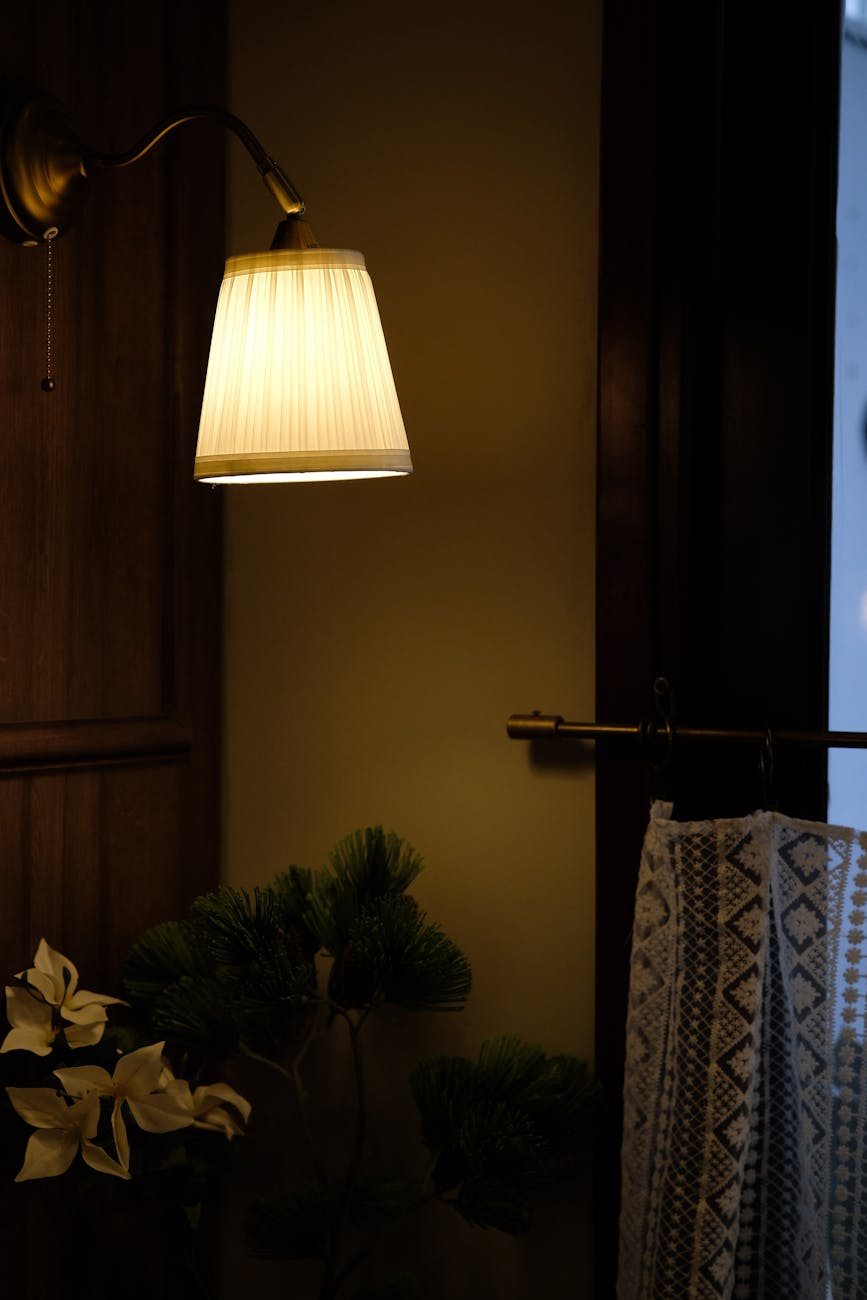
The Physics of Warmth: Understanding Color Temperature in Your Space
Creating a truly cozy atmosphere begins not with selecting a shade, but by understanding the underlying physics of light. We are dealing with color temperature measured in Kelvin (K), which dictates how warm or cool the perceived light source appears to the human eye. Higher Kelvin values produce cooler, bluer light, ideal for tasks requiring high visual acuity like reading or detailed work. Conversely, lower Kelvin settings, typically below 3000K, introduce warmer, more amber tones that stimulate relaxation pathways in the brain. Observing this relationship in practice reveals a direct correlation: as the color temperature decreases, the visual experience shifts from analytical to soothing.
The transition point between functional brightness and ambient warmth is critical for setting the mood. For general living areas where relaxation is the primary goal, we observe a strong preference for light sources calibrated around 2700K to 3000K. This range mimics the warm glow of incandescent bulbs and promotes psychological comfort. When selecting smart bulbs or fixtures, scrutinize the Kelvin rating before considering mere brightness levels. A bright, cool white light, even at high lumens, actively works against the goal of coziness.
Decoding Kelvin: The Spectrum of Light Perception
The spectral distribution of light directly influences our sensory response. Light sources emit photons across the visible spectrum; how those photons are distributed determines the perceived color. For instance, a 2700K source has a specific energy profile that emphasizes the red and orange wavelengths. This specific balance triggers physiological responses associated with warmth and safety. Moving towards 4000K or higher shifts the emphasis toward the blue end of the spectrum, which our visual system processes as more energetic.
We must account for the interplay between light color and physical environment. A warm light interacts differently with materials than a cool light does. When soft, warm light illuminates rich textiles—like velvet or wool—the texture appears deeper, richer, and more inviting. This effect enhances the sensory experience of coziness exponentially. Think about how light interacts with the surfaces you choose to display; this is where material science meets interior design.
Balancing Brightness and Ambiance: The Layered Approach
Cozy lighting is not achieved by simply dimming a single source; it requires a deliberate layering of illumination to manage both functional brightness and atmospheric ambiance simultaneously. A successful strategy involves manipulating light sources at different levels, creating distinct zones within the same space. This layered approach allows for dynamic control over the mood throughout the day.
The Mechanism of Layering Illumination
We deploy three primary layers: ambient, task, and accent lighting. Ambient lighting forms the foundational layer; it sets the overall psychological tone for the entire room. This is usually achieved through indirect sources, such as dimmable fixtures or strategically placed floor lamps. Task lighting provides focused illumination where specific activities occur, demanding higher intensity precisely where needed, such as over a reading nook or a kitchen counter. Accent lighting serves to highlight architectural features, art, or decorative objects, adding visual depth and drawing attention to curated elements.
When designing this system, the contrast between these layers dictates the final ambiance. A room relying solely on overhead light functions poorly for coziness because it creates harsh shadows. We need sources that cast soft pools of light. This is where fixtures become as important as bulbs. Consider using dimmer switches universally; the ability to modulate intensity smoothly is paramount for achieving true ambiance rather than just simple on/off states.
Integrating Texture and Light Interaction
The way light interacts with physical surfaces amplifies the cozy effect. When low-intensity, warm light grazes a heavily textured surface—such as a knitted throw or a woven rug—the shadows deepen the texture, making the tactile quality of the material more apparent. This interaction is crucial for engaging multiple senses. If you are focusing on creating deep comfort, examine how light plays across your chosen textiles. For example, layering rich fabrics creates visual weight that anchors the space. Exploring techniques like Layering Textures for Deeply Cozy Interiors allows you to intentionally use light to enhance these physical qualities.
Selecting Fixtures: Form Meets Function in Ambiance Creation
The physical fixture itself contributes significantly to the perceived coziness beyond the simple color of the bulb it houses. The shape, material, and diffusion properties of a light source influence how light spreads throughout the environment. A poorly designed fixture can introduce harsh edges that immediately destroy any attempt at a soft mood.
Materiality and Diffusion
We observe that materials used in fixtures dictate the quality of the light emission. Metals like aged brass or matte black absorb and reflect light differently than highly polished chrome, introducing subtle textural shifts to the illumination itself. Glass diffusers are excellent tools for softening direct light beams. When choosing lamps or sconces, prioritize opaque or frosted glass over clear, hard acrylic when aiming for an intimate feel. This diffusion mechanism scatters photons gently, eliminating harsh hotspots and ensuring the light wraps softly around objects rather than blasting them.
The choice of fixture style also matters profoundly. A simple, understated pendant can anchor a dining area with warmth, whereas an overly ornate or industrial fixture might introduce visual tension that disrupts serenity. We look for forms that emphasize organic curves and gentle transitions. This focus on form directly supports the goal of creating an inviting environment.
Spatial Planning and Vertical Ambiance
How light is distributed vertically also plays a role in establishing a cohesive mood across a larger space. Utilizing vertical elements effectively maximizes the potential for cozy ambiance, especially in spaces with limited horizontal real estate. Strategic placement of floor lamps or wall sconces draws the eye upward, adding dimension to the ceiling plane. This technique helps break up large expanses of flat wall and introduces intimate pockets of warmth throughout the room.
When managing smaller rooms, optimizing vertical space becomes a necessity for maximizing cozy ambiance in small rooms. By employing thoughtfully placed vertical lighting elements, we can avoid the visual clutter associated with excessive horizontal decoration. This strategy ensures that every square foot contributes to the desired feeling of snugness rather than overwhelming the visual field.
Practical Application: Constructing Your Cozy Lighting Guide
Putting these principles into concrete action requires a methodical approach. Start by auditing your existing light sources and identifying where the thermal and tonal imbalances exist. Then, implement changes systematically, moving from global adjustments to specific accents.
Establishing Baseline Warmth
Begin by committing to a consistent color temperature baseline across all primary lighting zones. If you are aiming for a deep, enveloping coziness, establishing a uniform 2700K setting throughout the main living areas provides an immediate psychological foundation. Once this baseline is set, adjust specific task lights as needed. A kitchen might tolerate slightly higher brightness (perhaps 3500K) during meal preparation, but the relaxation zones must remain firmly in the warmer spectrum.
Integrating Smart Technology Responsibly
Smart lighting systems offer powerful control over these variables, allowing for dynamic scene management. Program specific scenes that reflect different moods. For example, a “Relax” scene could automatically drop the Kelvin temperature to 2500K and dim all lights to 40%. This automation eliminates the cognitive load of manually adjusting settings when seeking comfort. The system learns the correlation between light properties and desired emotional states.
Final Synthesis: Atmosphere as an Achievable State
Ultimately, cozy lighting is an achieved state resulting from the calculated interaction of three variables: color temperature, intensity (brightness), and fixture diffusion. We observe that ignoring any one variable compromises the whole effect. A bright room with warm bulbs feels energetic but potentially jarring if the light is too direct. A dimly lit room with cool, blue light feels moody but lacks true warmth. The expert approach involves balancing these elements until the resulting illumination aligns perfectly with the desired sensory outcome. Mastering this balance transforms mere illumination into intentional, deeply cozy ambiance.
Tags: cozy lighting, home decor, lighting tips, warm lighting, interior design, ambiance, light choices
Featured Image by Anchornhaven on Pexels.