
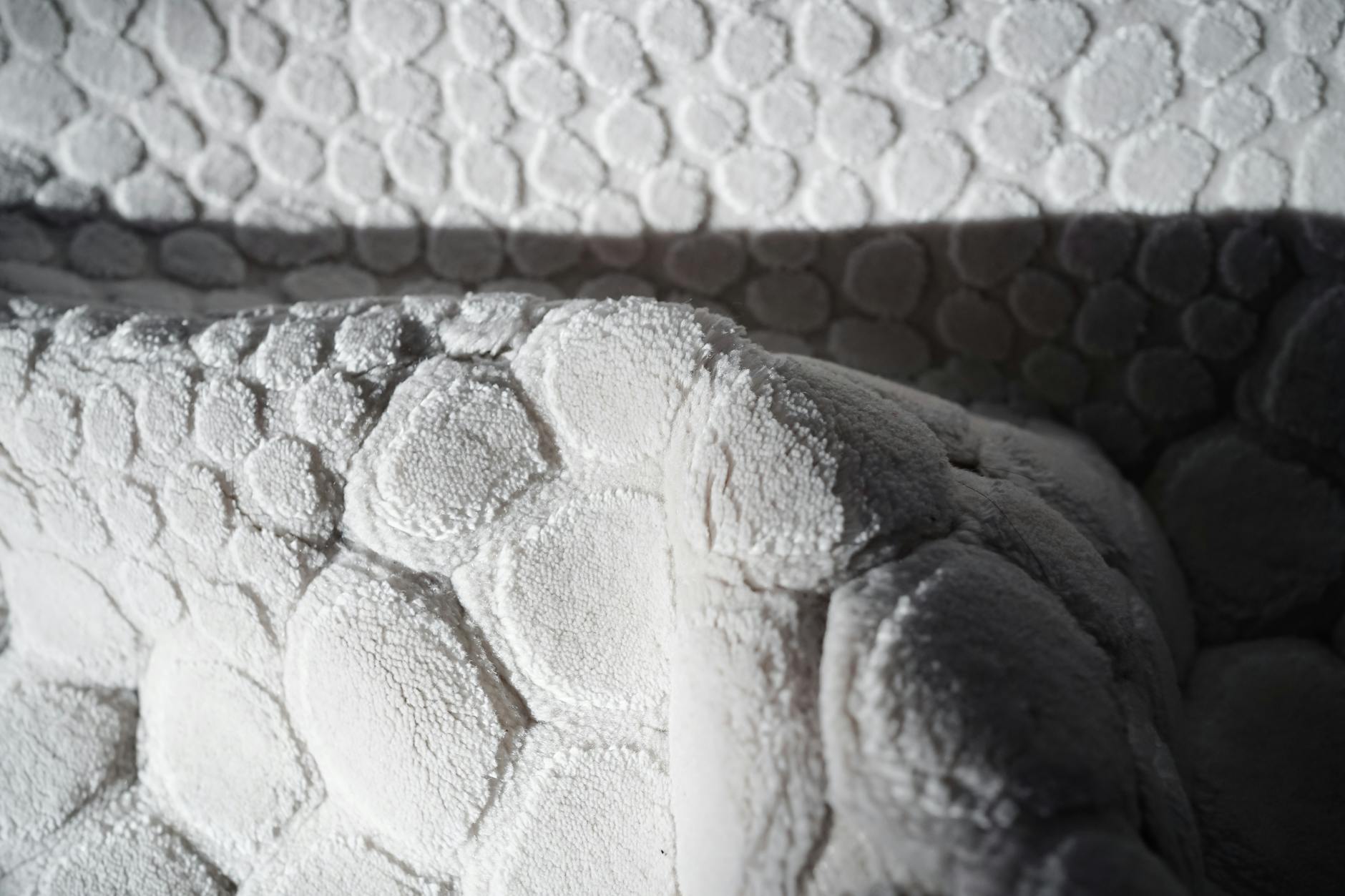
The Science of Tactility: How Layering Textiles Dictates Bathroom Atmosphere
We often approach bathroom design as a matter of function—tile placement, fixture selection, and ensuring proper drainage—but the true impact on psychological comfort resides in the sensory experience. Introducing textured bathroom textiles moves decoration from mere surface dressing to an intentional manipulation of environmental perception. We are not simply placing a mat; we are engineering the tactile response of the space, influencing how occupants feel grounded, relaxed, or energized upon entering and utilizing the room.
The way light interacts with a surface changes entirely based on its texture. Smooth, highly reflective surfaces scatter light uniformly, creating an impersonal sheen. Conversely, woven, looped, or deeply textured fabrics absorb and diffuse light in complex ways. This interaction is fundamental to establishing that coveted cozy aesthetic. We observe from the data that introducing varied textures interrupts visual monotony, creating depth where there was previously only a flat plane.
Deconstructing Texture: The Mechanism of Sensory Engagement
Texture operates on multiple sensory pathways simultaneously. When we select materials for bathroom textiles, we are engaging touch perception immediately. A thick, nubby bath mat offers a distinct physical sensation underfoot that signals immediate warmth and absorption away from cold tile. This tactile feedback bypasses purely visual processing, anchoring the user in the present moment.
This engagement is amplified when considering sound. Soft textiles act as acoustic dampeners. Hard surfaces—like ceramic tiles—exaggerate ambient sounds, creating an echoic, sterile environment. Layering textiles mitigates this by introducing soft material interfaces that absorb reverberations. This process subtly lowers the perceived auditory stress of a bathroom space, contributing significantly to the feeling of sanctuary.
The layering effect is where true atmospheric mastery occurs. It is not about selecting one focal piece but orchestrating a dialogue between different material properties. Consider placing a plush, high-pile rug beneath a woven cotton bath mat. The interplay between the deep softness of the rug and the slightly firmer weave of the mat creates a dynamic sensory gradient that feels richer than either item alone. This stratification mimics natural comfort patterns; we instinctively seek variation in our immediate surroundings.
Strategic Placement: Mapping Comfort Zones
Determining where and how to deploy these textiles requires an understanding of functional zones within the bathroom layout. The goal is to define areas for different levels of tactile experience. We must analyze traffic flow and intended use to place materials strategically rather than randomly.
For example, the area directly in front of the shower or bathtub demands maximum comfort upon exit. A thick, absorbent bath mat addresses the immediate need for warmth and slip resistance simultaneously. This is a primary function that texture aids by signaling safety and plushness. On the floor surrounding the tub, a larger, high-pile textile encourages lingering, inviting slow movement rather than hasty transitions.
We must also consider vertical space when designing these layered zones. If storage solutions are maximized vertically—as we often do in smaller spaces—the floor area becomes even more critical for tactile grounding. Think about how textiles can define the boundaries of functional zones, subtly guiding movement and psychological focus through the room. For instances where maximizing space is paramount, understanding spatial relationships, such as those discussed when optimizing vertical storage, directly informs where soft elements should be concentrated to enhance coziness without impeding flow.
Material Selection: The Physics Behind the Feel
The material composition dictates the functional performance of the textile layer. We move beyond aesthetics into the physics of absorption and resilience when selecting bath textiles. Natural fibers possess inherent qualities that contribute to a superior sensory outcome.
Cotton, for instance, offers a breathable, soft hand that responds well to temperature shifts, making it ideal for everyday use in humid environments like bathrooms. Wool introduces a denser, more resilient texture; its natural ability to retain warmth contributes significantly to the feeling of coziness when stepped upon. Synthetic blends offer durability and resistance to moisture, which is essential for bathroom textiles, though their tactile response must be carefully evaluated against natural alternatives.
The weave itself matters immensely. A tight, dense weave results in a smoother surface with less surface area for light diffusion. Conversely, open weaves, such as those found in waffle knits or chunky weaves, increase the physical texture dramatically by exposing more yarn and creating intricate shadow lines across the surface. This complexity is what generates visual and tactile depth. Our analysis suggests that intentionally using these textural variations creates a richer visual experience than any single flat color could achieve.
Integrating Textiles into the Larger Decor Narrative
The textiles in the bathroom should not exist in isolation; they must synchronize with the rest of the decorative scheme. The goal is holistic cohesion, ensuring the bathroom feels like an intentional retreat rather than a collection of disparate items. This integration requires considering material continuity across the home environment.
If you are curating your space to promote ultimate tranquility, the tactile language used in the bath should echo the materials chosen elsewhere. For instance, if you incorporate natural wood tones and soft lighting elements into your broader design—perhaps utilizing warm wood accents as seen in cozy kitchen decor—the textiles must harmonize with that warmth. Introducing a cool, stark synthetic texture against warm wood can create visual friction, undermining the desired sense of unified coziness.
The choice of textile becomes a bridge between functional necessity and aesthetic aspiration. It is where utility transforms into indulgence. When designing these layers, one must consider how they interact with other design elements, such as lighting fixtures or wall treatments. The way light catches a highly textured mat changes the mood entirely; it shifts from utilitarian space to an immersive sanctuary.
We see that when occupants engage more deeply with their immediate physical surroundings—feeling the softness underfoot, noticing the warmth of the fabric against the skin—the psychological effect is profound. This sensory immersion is what solidifies the feeling of a cozy retreat. Layering bath mats, rugs, and textiles is not just surface dressing; it is an active process of designing a deeply comforting environmental experience through the manipulation of tactile input.
Tags: bathroom decor, cozy home, textile design, bathroom textiles, home decor, soft furnishings, bathroom style
Featured Image by Beyzanur K. on Pexels.