
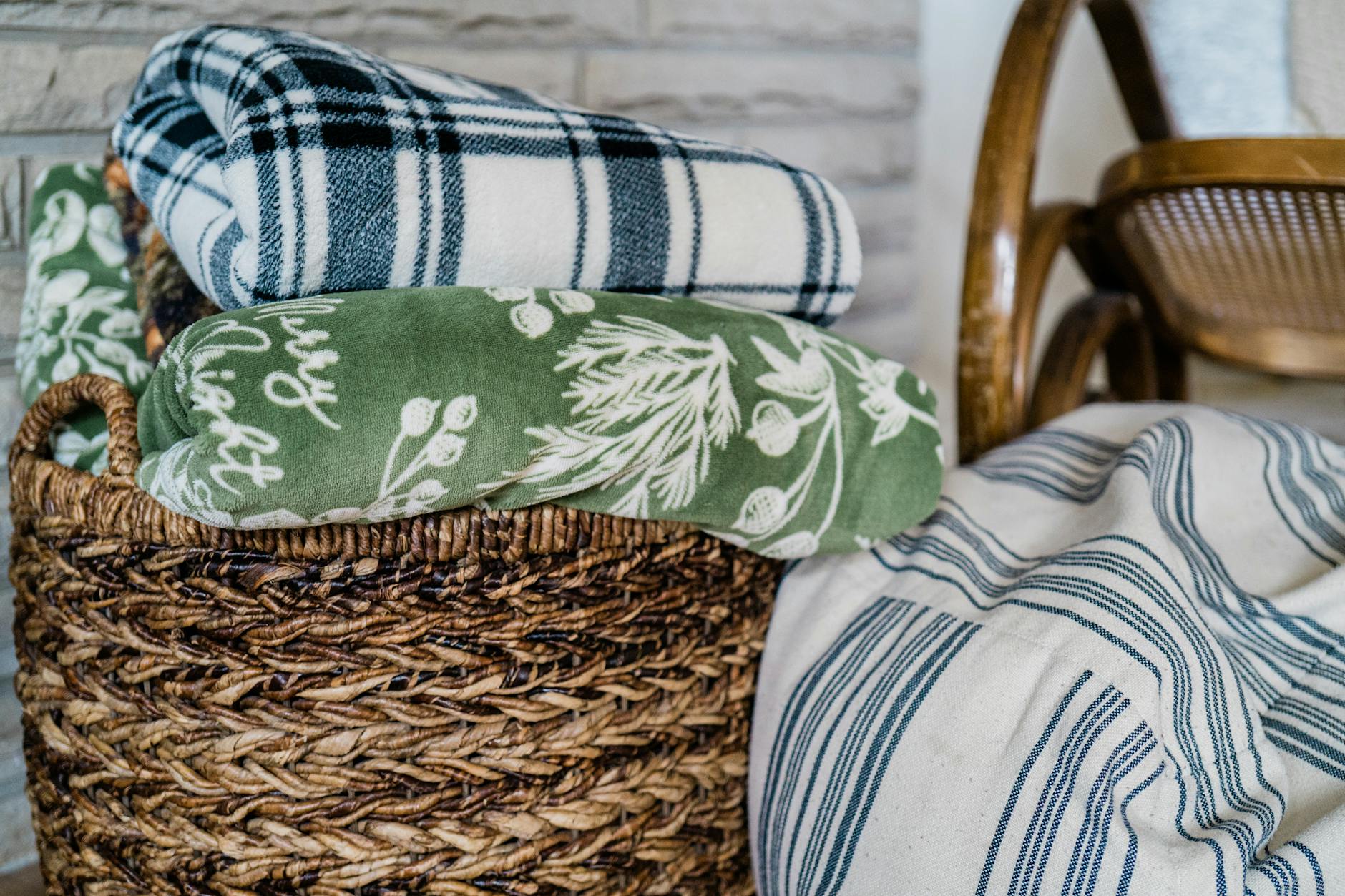
The Science of Tactility: How Texture Layering Manipulates Perceived Warmth
We observe that the psychological impact of a room is not solely determined by its color palette or furniture arrangement; it is profoundly mediated by the tactile experience. Interior design, when approached with an understanding of material science, transitions from mere aesthetics to sensory engineering. The act of layering textures is the primary mechanism through which we manipulate this sensory input to generate a feeling of deep coziness. We are not just decorating surfaces; we are constructing an environment that engages the somatosensory system directly.
The visual perception of depth and richness is directly correlated with textural variation. When disparate materials coexist, the eye registers complexity, signaling depth where a monolithic surface would suggest flatness. This layering mimics the complex, multi-sensory experience found in nature—a crucial evolutionary mechanism for establishing security and comfort. Consider how light interacts with surfaces; rougher textiles diffuse light unevenly, creating subtle shadows that add visual texture, whereas smooth, reflective surfaces create sharp highlights. This interplay is fundamental to achieving an atmosphere that feels enveloping rather than merely decorated.
Deconstructing Material Interaction
To effectively implement texture layering, one must analyze the inherent properties of the chosen materials. Each fabric possesses a unique density, pile length, and surface porosity that dictate how it absorbs light, reflects heat, and invites physical interaction. For instance, velvet, with its dense, short pile, absorbs significant ambient light, creating a rich, deep saturation that feels luxuriously soft to the touch. Wool fibers, due to their natural crimp and loft, trap air effectively, offering substantial thermal insulation; this physical trapping of air translates directly into a perceived sensation of warmth when draped over the body. Linen, conversely, offers a crispness mixed with a subtle, organic texture, providing an airy counterpoint to the heavier elements.
We see that the successful layering hinges on balancing these properties. If every surface is uniformly smooth and flat, the room registers as sterile, regardless of color choices. The introduction of varied surfaces disrupts this uniformity, creating visual pathways that guide the eye and encourage lingering. This manipulation of light and touch is how we engineer coziness.
Strategic Application for Thermal Comfort
The relationship between texture and thermal perception is critical in creating genuinely cozy spaces. A room that feels physically warm inherently feels psychologically safe. We must think about insulation not just as a structural concern, but as an aesthetic one. Heavy textiles act as thermal buffers, slowing the rate at which external coolness penetrates the space. This physical buffering translates into a subjective feeling of being sheltered and warm.
We can achieve this effect by strategically placing materials where they interact with human presence most frequently. Think about seating areas or window treatments. Draping a thick wool throw over a sofa, for example, engages the body directly in a tactile exchange that signals comfort far more effectively than visual cues alone. This is why incorporating substantial elements is so effective; they provide tangible anchors for the feeling of being nestled within the space.
For those focused on creating intimate zones, focusing attention on smaller areas yields amplified results. Developing a cozy reading nook benefits immensely from this principle. When designing a space like a Beginner’s Guide to a Cozy Reading Nook in Small Spaces, the choice of floor covering, the weave of the cushion, and the drape of the window hangings must all communicate softness and invitation. The sensory experience becomes immediate and immersive.
Mastering the Blend: Combining Contrasting Textures
The art of layering is not about piling materials randomly; it involves establishing a sophisticated dialogue between them. This requires understanding the relationship between high-pile, mid-pile, and smooth surfaces. We aim to create textural friction—a gentle opposition that makes each layer more pronounced and appealing.
We observe that pairing highly tactile materials with smoother ones enhances the overall richness. Imagine placing a heavily textured, perhaps chunky knit blanket over a smooth, matte linen sofa. The visual contrast between the deep, uneven texture of the knit and the flat plane of the linen creates an immediate focal point. This juxtaposition prevents the space from feeling heavy or monotonous; instead, it feels dynamic.
When incorporating elements like DIY Chunky Knit Blankets for Ultimate Snuggle Factor into a design scheme, we are introducing significant surface topography. These items function as visual anchors, drawing the eye and inviting physical touch. The irregularity of the knit pattern introduces an organic element that counteracts the rigid geometry often found in modern architecture, softening the entire environment.
Practical Implementation: A Layering Checklist
To move from theory to practice, we must establish a systematic approach to texture layering within any interior space. Start by identifying the primary function of the area—is it for lounging, sleeping, or focused activity? This dictates the necessary level of tactile engagement. Then, select materials based on their intended thermal and sensory contribution.
We can organize this process into distinct layers. The base layer should provide foundational softness; this might be a heavy, smooth cotton or a densely woven wool rug. The middle layer introduces complexity; this is where you introduce velvet pillows, woven throws, or textured accent chairs. Finally, the top layer provides the finishing touch and visual interest; think of sheer linen curtains or fine-gauge knit accents layered over everything else. Each successive addition must enhance the preceding one, building cumulative warmth rather than introducing disconnected elements.
This methodical approach ensures that the final result is cohesive. The goal is not just to decorate with fabrics but to orchestrate a sensory experience where every touch and glance contributes to an atmosphere of profound relaxation. We are engineering coziness through intentional material selection and strategic placement. This process transforms a simple room into a deeply inviting sanctuary, leveraging the inherent human desire for softness and enclosure.
Tags: texture layering, home decor, cozy interiors, fabric combinations, material mixing, velvet wool linen, interior design
Featured Image by Jessica Lewis 🦋 thepaintedsquare on Pexels.