
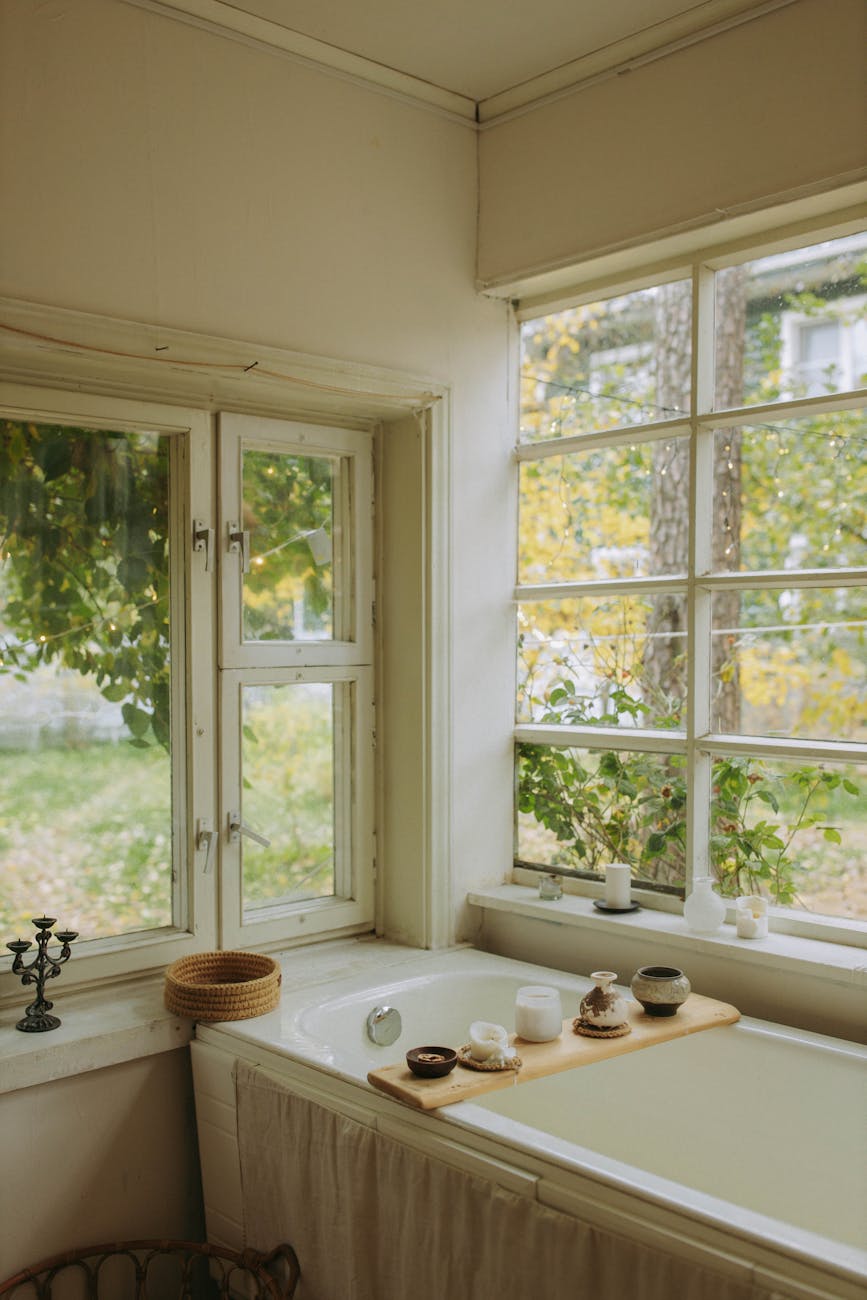
Engineering a Sanctuary: The Psychology of Spa Bathroom Decor
We are not simply decorating a room; we are engineering an environment designed to modulate physiological responses. When considering spa bathroom decor, the objective shifts from mere aesthetics to creating a functional sanctuary where stress hormones decrease and relaxation pathways activate. This intentional design relies on manipulating light, texture, scent, and biophilic elements to induce a state of deep tranquility. Our analysis suggests that the bathroom, often an overlooked space, holds immense potential for therapeutic intervention through careful material selection and strategic illumination.
The Mechanism of Soft Lighting in Bathroom Design
The quality of light fundamentally dictates the emotional tone of any space. Harsh, direct fluorescent lighting triggers alertness and anxiety, which is counterproductive to achieving a spa atmosphere. We observe from the data that warm-toned, diffused lighting—typically in the 2700K to 3000K range—signals safety and intimacy. This specific spectral quality encourages melatonin production, aiding the body’s natural relaxation cycle. Implementing layered lighting is crucial; relying on a single overhead source fails to create depth. We see effectiveness when incorporating dimmers, wall sconces, and ambient floor lighting. These systems allow the user to manually control the light intensity, giving them agency over their immediate sensory input.
The interplay between shadow and light also plays a role in perceived coziness. Deep shadows create areas of visual rest, which subconsciously signal safety, contrasting with the bright, exposed surfaces that demand cognitive processing. By strategically positioning soft light sources near natural elements or textural features, we enhance the perception of depth and envelopment, transforming a functional space into an immersive retreat. This controlled illumination moves the experience from utilitarian to experiential.
Integrating Biophilic Elements: The Power of Greenery
The incorporation of natural greenery is not a superficial trend; it taps directly into innate human preferences for nature exposure. Biophilic design posits that humans possess an evolved connection to natural systems, and introducing organic forms into an indoor environment mitigates psychological strain. When we introduce living plants, we initiate a subtle engagement with the natural world, which demonstrably reduces cortisol levels.
The mechanism here involves the visual processing of organic shapes and living textures. Observing how people interact with indoor plants suggests that the presence of chlorophyll-rich elements has a calming effect on the nervous system. Consider placing lush, low-maintenance plants near the bathing area or vanity. This proximity links the act of self-care directly to the restorative qualities of nature. We see this principle applied across various decor decisions; for instance, when planning larger room overhauls, integrating natural textures becomes a primary focus alongside color palettes.
Selecting appropriate foliage requires an understanding of the bathroom’s specific microclimate. High humidity levels must be considered when selecting plants; moisture-loving species thrive in these environments. Furthermore, the scale matters. Large, architectural plants can dominate small spaces, whereas carefully selected trailing or hanging greenery offers textural softness without overwhelming the visual field. This careful curation elevates the decor from simple decoration to intentional environmental design.
Materiality and Texture: Grounding the Experience
The tactile experience of a spa environment is as important as the visual impact. We must analyze how surface materials interact with touch to influence mood. Hard, cold surfaces—like polished stone or cold metal—can feel sterile and create a jarring contrast with the desired warmth. Therefore, introducing organic textures is essential for grounding the sensory experience.
Natural wood tones, woven textiles, smooth river stones, and matte ceramics serve to introduce an element of earthiness. When a user touches these surfaces during their routine, the tactile feedback reinforces the feeling of being enveloped in something natural and comforting. This material choice directly impacts the perceived luxury level of the space; high-quality, matte finishes signal intentionality and calm, whereas high-gloss, reflective materials often suggest formality or clinical sterility.
We see this principle working when transitioning spaces. If one is updating a bedroom or living area, understanding how texture anchors the design helps in creating cohesive zones. The same principles apply here: selecting linens with natural weaves, using matte finishes for fixtures, and incorporating rough-hewn elements directly contributes to the overall feeling of serenity sought in spa bathroom decor.
Scent as an Atmospheric Regulator
The sense of smell is perhaps the most direct pathway to memory and emotional state. The olfactory system connects the brain directly to the limbic system, where emotion is processed. In a spa context, scent acts as a powerful non-visual cue for relaxation. We are not just filling a room with air; we are actively manipulating atmospheric chemistry.
Essential oils offer a potent method for achieving this modulation. Scents like lavender, eucalyptus, or sandalwood have been shown in aromatherapy research to promote relaxation and ease physical tension. Introducing these aromas during bathing transforms the act of washing into a ritualistic experience. The process involves diffusing subtle, clean scents rather than overpowering chemical fragrances. This requires careful calibration; an overwhelming scent can induce irritation, whereas a delicate diffusion creates an enveloping atmosphere.
The strategy here is subtlety. Avoid synthetic, sharp smells that trigger alertness. Focus on herbaceous, woody, or subtly floral notes that align with the organic theme established by the greenery and soft light. This sensory layering solidifies the transition from a mundane space to a deeply restorative sanctuary.
Curating the Full Experience: A Holistic Approach
Achieving true spa bathroom decor requires synthesizing these individual elements into a coherent system. It is not enough to place a plant next to a dim lamp; the components must operate in concert. We must analyze how visual input (light, color), tactile input (materials), and olfactory input (scent) interact simultaneously.
The goal is creating sensory congruence—a state where every element supports the central theme of tranquility. When one examines broader home design concepts, such as those explored in ideas for living spaces, we recognize that attention to detail across all zones creates an immersive experience rather than isolated decoration. The bathroom becomes a deliberate portal to relaxation.
The process involves establishing priorities. If soft light is the primary mechanism for mood setting, then lighting fixtures must be prioritized. If biophilia is central, then plant placement and maintenance protocols become paramount. This analytical approach allows designers and homeowners to move beyond surface-level trends toward constructing environments that actively support well-being. We observe that this intentional layering results in spaces that feel inherently calmer, more luxurious, and profoundly restorative for the occupants.
Tags: spa bathroom decor, bathroom design, biophilic design, natural decor, soft lighting, bathroom inspiration, cozy home
Featured Image by Yaroslav Shuraev on Pexels.