
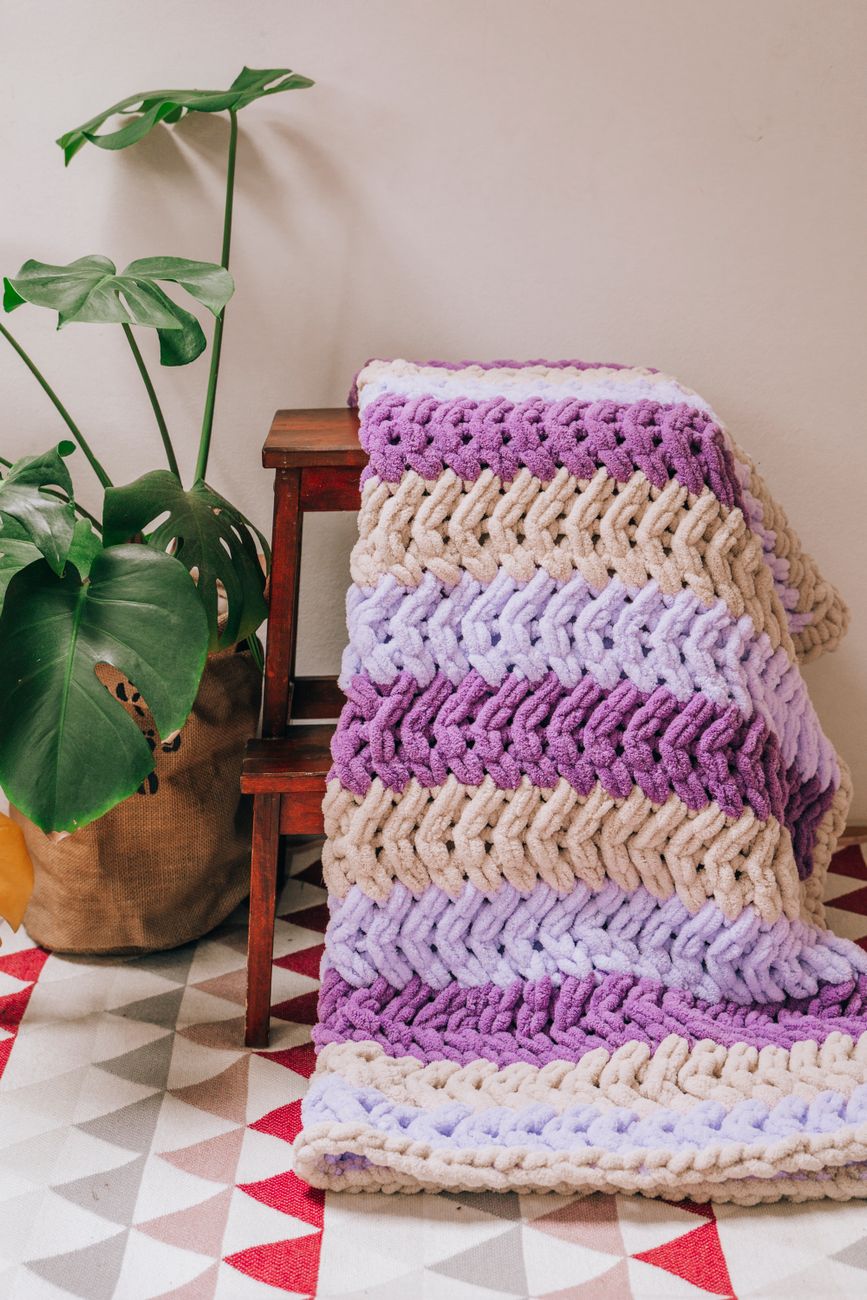
Deconstructing the Appeal of Chunky Knit Texture
We observe a strong behavioral correlation between tactile sensory input and psychological comfort. When designing for home décor, introducing substantial texture, particularly through chunky knits, triggers a specific neurological response that we can exploit in creating truly cozy spaces. This is not merely about aesthetics; it involves modulating perceived warmth and security. The visual density of thick yarn mimics the physical act of wrapping oneself in a heavy, insulating fabric, engaging our primal sensory systems directly.
The mechanism at play here relates to haptic perception. Our brains interpret the visual representation of thick, looped fibers as an indicator of insulation against external temperature fluctuations. This effect is amplified when the material choice signals intentional craftsmanship, suggesting a slower, more deliberate creation process than mass-produced textiles allow. People seek out these patterns because they represent an accessible pathway to tactile comfort, transforming a static interior space into a dynamic, inviting environment.
The Mechanics Behind Choosing Yarn Weight and Gauge
Selecting the appropriate yarn weight is the first critical step in mastering chunky knit blanket patterns DIY. Yarn weight dictates the final visual impact and the actual physical heft of the finished object. For truly cozy results, we need to move beyond standard medium-weight yarns. Consider the difference between a simple worsted weight and an extremely bulky or super bulky roving yarn; each choice alters the stitch definition and the overall volume of the textile.
When executing chunky knit blanket patterns DIY, the gauge—the density of the stitches per inch—becomes paramount. A looser gauge results in a lighter, airier fabric, whereas a tighter gauge creates a dense, highly textured surface that traps more light and shadow. We analyze how different stitch patterns respond to varying yarn thicknesses. For instance, cables or large, open stitch patterns interact differently with thick versus thin strands of yarn, producing dramatically different textural outcomes. Understanding this interplay allows the maker to pre-visualize the final tactile experience before casting on a single stitch.
Yarn Selection: The Foundation of Coziness
The material itself contributes significantly to the perceived coziness. Wool, alpaca, and heavy cotton blends offer superior thermal retention compared to synthetic alternatives. We see that natural fibers possess inherent properties that manage moisture and provide insulation effectively against ambient cold. When we select these materials, we are selecting a substrate for deep comfort. Think about how this principle applies elsewhere in the home; for example, integrating natural stone or wood decor enhances this sense of grounded warmth, as seen in spaces designed for serenity like a Spa Bathroom Sanctuary with Natural Stone & Wood Decor.
The yarn itself must possess sufficient loft to create those characteristic chunky ridges that define the aesthetic. Low-loft yarns tend to result in flat, less dimensional pieces. The visual effect relies on the yarn having enough volume to drape and fold softly, mimicking the comforting weight of a heavy throw. This requires careful assessment of the fiber content; higher percentages of natural wool generally translate into superior textural depth and warmth retention.
Pattern Exploration: Mastering Specific Chunky Knit Techniques
The term chunky knit blanket patterns DIY encompasses a vast landscape of stitch methodologies. Not all techniques yield the same level of cozy effect, and mastering the mechanics of each is necessary for achieving a professional finish. We must analyze how different stitch structures manipulate the tension and drape of the yarn to create desired effects.
The Impact of Large Stitch Structures
Knitting with large stitches inherently creates bolder texture than traditional single-stitch patterns. Techniques involving oversized stitches, such as those using very large garter or stockinette stitches, immediately establish a heavy hand. These methods favor surface texture over fine detail. When implementing these patterns DIY, the focus shifts from intricate pattern work to managing the overall volume of the fabric. We observe that increasing the size of the stitch directly increases the yarn consumption and the resulting material’s visual weight.
Another powerful technique involves incorporating cabling or intricate lace work into a chunky framework. The contrast between the defined, thick cables and the surrounding knit stitches creates dynamic visual interest. This juxtaposition of dense structure against open negative space enhances the feeling of luxurious depth. When layering patterns, we must ensure that the underlying structure remains supportive enough to handle the tension introduced by the complex motifs.
Structural Integrity in Large Projects
A blanket is a large textile endeavor; structural integrity becomes as important as stitch proficiency. As projects scale up in size, maintaining consistent tension across hundreds of rows requires meticulous planning. We analyze how tension variations accumulate over long stretches, potentially leading to unevenness or puckering if the yarn tension is not uniformly managed. This demands a methodical approach during pattern execution.
Consider the transition points between different pattern sections. A poorly executed seam or tension shift in one area can disrupt the overall visual flow of the blanket. We find that planning the placement of pattern changes—where to introduce a new stitch, where to increase or decrease yarn—is as crucial as the pattern itself. This is especially relevant when designing textiles intended for enveloping comfort, ensuring every section contributes harmoniously to the unified cozy aesthetic.
Integrating Texture with Ambient Light and Space
The physical texture of a chunky knit blanket interacts dynamically with the surrounding environment, particularly how light traverses the fabric. The way light catches the raised loops and deep shadows generated by thick stitches changes constantly throughout the day. This interplay elevates the experience from merely tactile to deeply atmospheric.
When considering how textiles contribute to ambiance, layering is key. A heavy, textured blanket acts as an anchor for a room’s visual weight. It absorbs sound and visually softens hard architectural lines. For achieving a truly immersive cozy atmosphere, consider incorporating strategic lighting. Layered Lighting for Cozy Home Ambiance allows you to manipulate shadow and highlight across the fabric surface, emphasizing the depth created by the knit structure rather than flattening it out.
We see that thick textiles naturally draw the eye to areas of softness. This effect is amplified when paired with thoughtful lighting strategies. A soft, warm light illuminating a heavily textured blanket accentuates every ridge and valley, turning the textile itself into an active component of the room’s warmth. This synergy between material choice and illumination creates an environment where physical comfort merges seamlessly with visual serenity.
Practical Application: From Pattern to Plush Reality
Moving from theoretical pattern study to tangible creation involves managing material expectations. We must account for the realities of yarn sourcing, needle size selection, and the time commitment required for large-scale projects DIY. The perceived difficulty often relates to the sheer volume of work involved, not necessarily the complexity of a single stitch.
When starting your journey with chunky knit blanket patterns DIY, budget appropriately for high-quality, thick yarn. Skimping on fiber quality compromises the final cozy outcome immediately. Furthermore, understanding how machine settings translate to handwork is essential; tension must be managed consciously rather than automatically. We find that beginners often overestimate their ability to manage large yarn quantities without proper preparation regarding yardage and gauge checking.
The process itself becomes meditative when approached analytically. You are not just following instructions; you are actively engineering a sensory experience. Each row completed is an act of physical construction that builds tangible warmth. This deliberate engagement fosters a deeper appreciation for the craft and the final, deeply satisfying result. The resulting blanket is not merely an object; it is a realized form of tactile comfort woven into the home’s design.
Tags: chunky knit, blanket patterns, knitting patterns, crochet patterns, DIY blankets, cozy home, knitting for beginners
Featured Image by Alina Vilchenko on Pexels.