
Textural Storytelling: Layering Knits, Bouclés & Velvet for Cozy
We observe a fundamental principle in interior design: sensory experience dictates emotional response. When constructing an atmosphere of true coziness, we are not merely selecting furniture; we are engineering tactile narratives. The interplay between different surface textures creates depth and invitation, transforming a simple room into a deeply immersive environment. Mastering the layering of knits, bouclés, and velvet is the mechanism by which designers achieve this rich, layered feeling.
The Physics of Tactility: Why Texture Matters
Texture engages the somatosensory system directly. Our brains process surface variations as information about materiality and warmth, bypassing purely visual processing to register a sense of physical presence. A smooth, cool surface signals distance or clinical detachment; conversely, deep, fibrous textures signal comfort, intimacy, and approachability. This is how we translate visual aesthetics into lived experience.
When considering textiles for cozy home decoration textures, we must examine the way light interacts with the material. Fabrics possess different light-absorption and reflection properties based on their weave density, pile direction, and fiber composition. Velvet, for example, exhibits a complex interplay of light across its nap; where the light hits a raised fiber, it reflects a deep, saturated hue, creating visual richness that mimics depth. Knits, especially those with visible stitch definition, introduce micro-shadows that add an organic, hand-crafted quality to any space.
Deconstructing Material Choices: Knits, Bouclés, and Velvet
Each texture carries a distinct psychological weight, and understanding these weights allows for intentional layering. We examine how specific materials function within the context of creating a sanctuary at home.
The Comfort of Knitted Fabrics
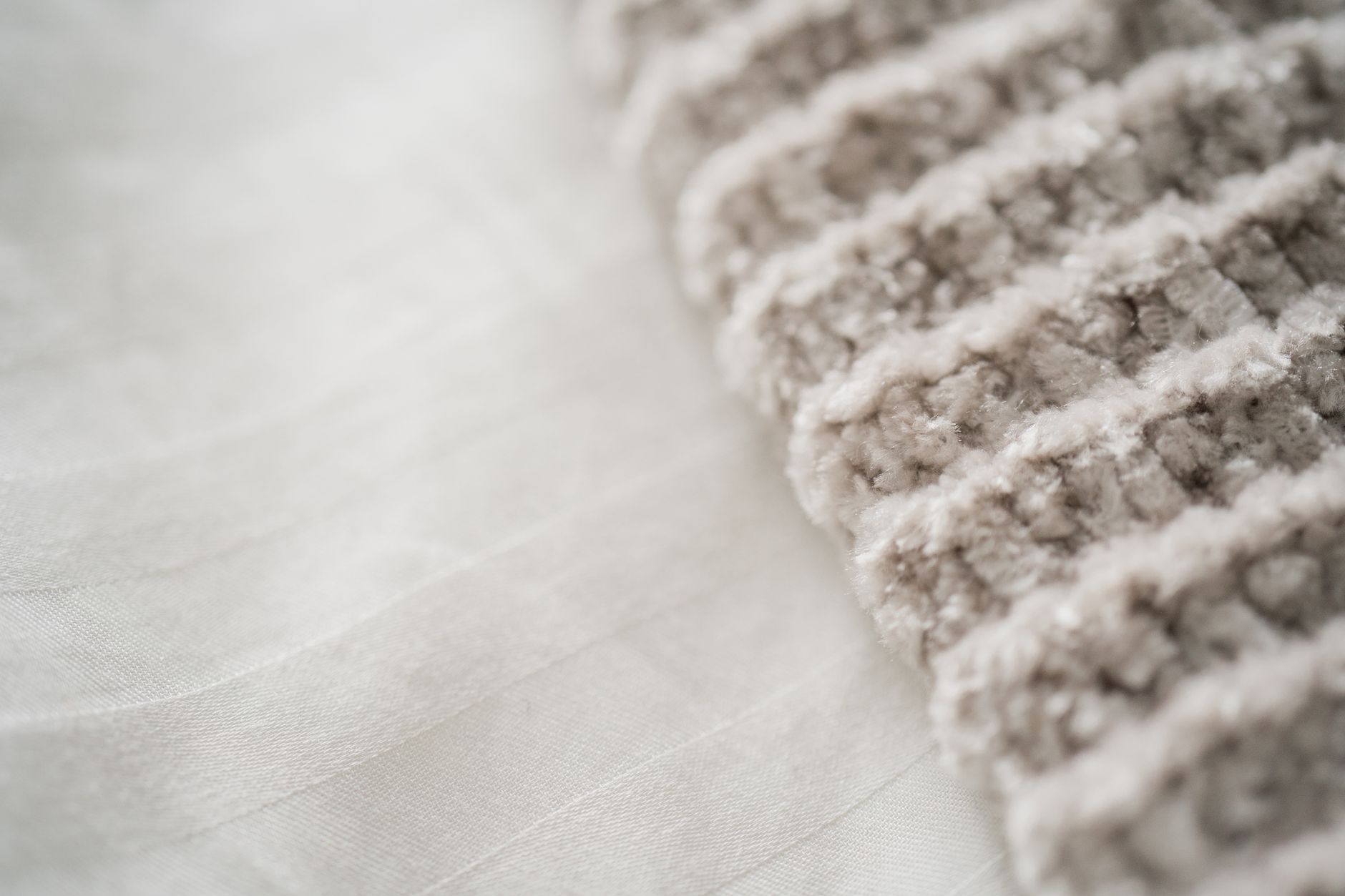
Knits introduce an inherent softness that feels immediate and approachable. The unevenness in a knit pattern prevents the surface from feeling monolithic or overly formal. A chunky cable knit, for instance, functions by creating pronounced ridges and valleys, which catch light differently across the room. This variation prevents visual flatness, generating visual movement. We see this effect constantly when applying these techniques to throws, pillows, and even accent seating. The physical texture invites touch, establishing an immediate sense of homeliness.
The Depth of Bouclé
Bouclé introduces a unique, textural dynamism. Its signature is the looped, knotted yarn structure that creates an irresistible visual vibration. This material operates by trapping light in its crevices, resulting in a soft, diffused glow rather than sharp reflection. In practice, bouclé excels at adding an architectural softness; it anchors a space without imposing rigid geometry. When integrated carefully, this texture pulls disparate elements together into a cohesive, enveloping whole.
The Opulence of Velvet
Velvet functions on the principle of light saturation. Its dense pile absorbs ambient light, deepening the color and providing a luxurious visual weight. This absorption creates an atmosphere of deep, enveloping richness. When used in cozy home decoration textures, velvet signals indulgence and warmth; it invites slower pacing within the space. The way velvet reflects light subtly shifts depending on the angle, ensuring that the tactile experience is amplified by the visual depth.
Layering Techniques: Building a Tactile Atmosphere
The true success of achieving deep coziness lies not in selecting one luxurious item, but in orchestrating the interaction between several textures. This process demands an understanding of scale and juxtaposition. We are layering sensory information to create complexity.
Establishing the Base Layer
The foundation of any cozy arrangement should involve soft, yielding materials that establish baseline comfort. Think of oversized, brushed cotton throws or a substantial wool rug. These elements provide the necessary physical anchor for the visual experience. They handle the foundational sense of warmth and grounding.
Introducing Mid-Layer Textures
Upon this base, we introduce the more intricately patterned items. A chunky knit blanket draped over a velvet sofa introduces immediate contrast. This juxtaposition—the ruggedness of the knit against the plush smoothness of the velvet—creates visual tension that is inherently engaging. This layering technique ensures that the room feels complex rather than simply soft.
The Accent Layer: Introducing Bouclé and Detail
Bouclés excel at this accent role. A single bouclé cushion placed atop a smooth, matte surface introduces an element of playful, tactile irregularity. It acts as a focal point that draws the eye through its unique surface topography. When paired with the deep saturation of velvet, the bouclé prevents the overall scheme from becoming too monolithic or heavy. We observe that this strategic placement injects necessary visual lightness while maintaining textural depth.
Contextualizing Coziness: From Living Spaces to Retreats
The application of these textural principles shifts based on the intended function of the space. A bedroom requires enveloping softness for rest, whereas a living area demands dynamic layering for conversation and comfort. The sensory input must align with the room’s purpose.
When designing spaces focused on tranquility, such as spa-inspired retreats, the emphasis shifts toward muted depth and organic feel. Incorporating natural fibers, soft wools, and textural elements that suggest natural elements—like the grounding effect of stone juxtaposed with soft textiles—enhances this meditative state. For instance, pairing a smooth stone surface with deeply textured linen or velvet creates an immediate sense of grounded serenity. Consider how incorporating these principles into a spa bathroom decor: creating your serene oasis with nature involves selecting materials that invite slow engagement.
The deliberate use of texture guides the occupant’s movement and dwell time. When walking through a space, the subtle shifts in surface quality prompt a slower pace, encouraging occupants to pause and register the environment. This active engagement transforms passive observation into an immersive experience. The tactile narrative woven by knits, bouclés, and velvets is ultimately about creating pockets of intentional warmth amidst the broader environment. We are engineering environments where physical comfort translates directly into psychological well-being.
Tags: cozy home decoration, home textiles, velvet decor, bouclé, knits, texture layering, cozy living
Featured Image by Jessica Lewis 🦋 thepaintedsquare on Pexels.