
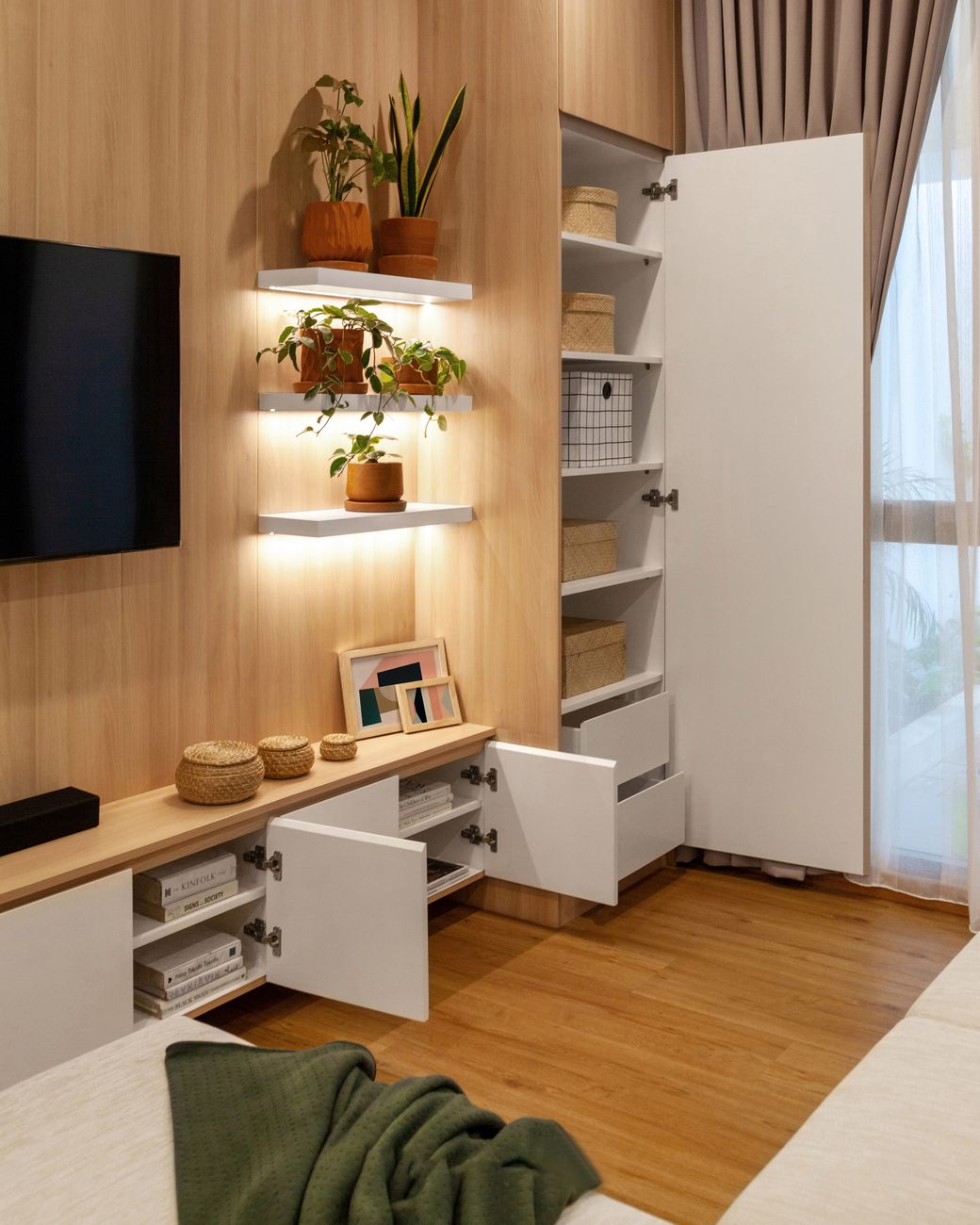
Maximizing Square Footage: The Physics of Vertical Organization
When dealing with confined living areas, the constraint is rarely about a lack of physical space; it is a failure to utilize the available vertical dimension effectively. We observe from the data that traditional horizontal storage methods consume valuable floor real estate, limiting the functional capacity of small rooms. Shifting the organizational paradigm to prioritize verticality immediately alters the spatial dynamics of a space. This strategy exploits the unused wall space, transforming dead vertical planes into active storage reservoirs.
The mechanism at play here involves redefining what constitutes ‘usable’ space. Instead of viewing the floor as the primary plane for furniture placement, we engage the walls as an extension of the functional environment. Implementing vertical solutions allows items to stack in three dimensions rather than merely occupying a two-dimensional footprint. This principle directly addresses the core challenge of small space storage by increasing volumetric density within the existing boundaries.
Deconstructing Spatial Constraints
A room’s perceived size is often dictated by the eye’s focus on the floor plane. By introducing vertical elements, we manipulate this visual perception, making the room feel significantly larger and more expansive. This psychological effect enhances the sense of calm, which ties directly into the overall goal of creating a cozy atmosphere. Consider how effectively built-in shelving systems redirect attention upward, drawing the eye away from cluttered surfaces toward architectural lines.
We analyze various storage configurations to determine optimal deployment. A simple flat shelf offers minimal gain. True optimization requires integrating cabinetry or utilizing wall-mounted systems that extend high up the wall. This approach maximizes cubic capacity without encroaching on necessary walking paths. When you optimize for verticality, you are optimizing for flow and accessibility simultaneously.
Strategic Implementation of Vertical Storage Systems
Implementing effective **small space storage** necessitates a calculated approach rather than simply hanging items randomly. We must assess the room’s geometry—the height, the wall material, the light exposure—before selecting any system. Poor planning results in systems that look cluttered or are functionally inaccessible, which defeats the entire purpose of decluttering.
Floating Shelves: Aesthetic and Functional Integration
Floating shelves represent a highly accessible entry point into vertical storage. They offer an aesthetic appeal by creating deliberate visual layers rather than bulky, floor-bound units. The material choice is critical here; solid wood or matte metal can anchor the display while maintaining a light visual presence. We must calculate the load-bearing capacity of the wall structure before affixing heavy items.
In practice, floating shelves excel at displaying decorative objects, books, and curated collections. They serve dual functions: they provide necessary storage and introduce intentional design elements that enhance the room’s ambiance. Think about how a carefully arranged collection on a shelf contributes to the overall feeling of coziness. This is similar to curating a space where every item serves both utility and aesthetic purpose.
Customizing Wall Space with Built-Ins
For truly optimized **small space storage**, custom built-ins offer the highest return on investment. When custom cabinetry is designed to fit the specific dimensions of a niche or wall section, you eliminate wasted space inherent in off-the-shelf solutions. This precision engineering ensures that every inch of available vertical real estate is utilized for its intended purpose.
The process involves mapping out the required storage volume and designing modules that integrate seamlessly with the room’s existing architecture. This requires careful measurement and an understanding of spatial flow. We are not just adding boxes; we are integrating functional architecture into the dwelling itself. This method moves beyond simple storage toward true space optimization.
Utilizing Open Shelving for Visual Flow
Open shelving, when deployed correctly, functions as a powerful tool for visual organization. The principle here is selective display; only items that contribute positively to the room’s aesthetic should occupy these spaces. When utilizing open shelves in a cozy setting, we observe that grouping items by category creates visual coherence. This reduces cognitive load, making the small space feel orderly and inviting rather than chaotic.
We can see this effect when considering adjacent zones, like transitioning from a bedroom area to a reading nook. The transition should feel intentional, not abrupt. For instance, integrating shelving near a seating area naturally draws attention to the curated objects, enhancing the feeling of sanctuary. If you are designing a space meant for relaxation and deep comfort, consider how open displays can foster that serene environment. For example, juxtaposing soft textiles with carefully arranged books supports a holistic sensory experience, much like creating a Hygge Bathroom Reading Nook: Cozy Decor Ideas.
Optimizing Storage for Specific Room Functions
The type of vertical storage deployed must correlate directly with the function of the space it serves. A closet requires different organizational logic than a living room wall. We analyze how different storage types interact with daily routines to ensure smooth functionality.
Dressing and Wardrobe Solutions
Closets are prime candidates for vertical maximization, moving beyond simple hanging rods. Implementing tiered drawer systems or stacking shoe racks leverages height effectively within the wardrobe footprint. Hanging accessories can be optimized by utilizing slim vertical rails instead of bulky hangers. This method ensures that items remain organized and easily reachable without forcing users to bend or reach awkwardly.
When organizing clothing vertically, the goal is to maximize density while maintaining easy retrieval. Consider how efficient storage allows you to declutter your personal space instantly. This efficiency frees up mental energy, contributing significantly to the overall sense of calm in a cozy environment.
Utilizing Wall Space Beyond Storage
Wall space is not solely dedicated to storing linens and books. It offers opportunities for integrating lighting solutions or art displays that enhance the room’s atmosphere. Mounting art or mirrors strategically can expand the visual boundaries of the room, creating an illusion of greater depth. This manipulation of visual space works synergistically with vertical storage strategies.
This layering effect is crucial when aiming for a high-end, cohesive aesthetic. When you combine practical organization with intentional decoration on the walls, the result shifts from merely functional to truly immersive. Imagine setting up a serene environment, perhaps by incorporating elements found in Spa Bathroom Decor: Create Your Serene Sanctuary, where every visual element contributes to tranquility.
The Psychological Impact of Organized Space
The ultimate benefit of mastering **small space storage** through vertical methods is psychological. Clutter generates anxiety; organized systems generate peace. When surfaces are clear and items are stored logically, the brain experiences less visual noise. This reduction in visual clutter directly translates into a feeling of spaciousness and control over one’s environment.
We move from managing physical objects to managing cognitive load. A system that allows immediate access to needed items reduces the mental energy expended searching for things. This streamlined experience fosters a deeper sense of comfort, which is central to achieving a truly cozy home decoration style. The vertical approach reinforces this by making the storage feel integrated into the room’s design rather than an imposition upon it.
The observation is clear: maximizing vertical space is not just a trick for fitting more things in. It is a method for designing environments where functionality and aesthetic pleasure converge seamlessly. By harnessing the height of the room, we engineer spaces that feel abundant, calm, and exquisitely designed.
Tags: small space storage, vertical storage, tiny room decor, cozy home, small space organization, vertical shelving, room hacks
Featured Image by Hakim Santoso on Pexels.