
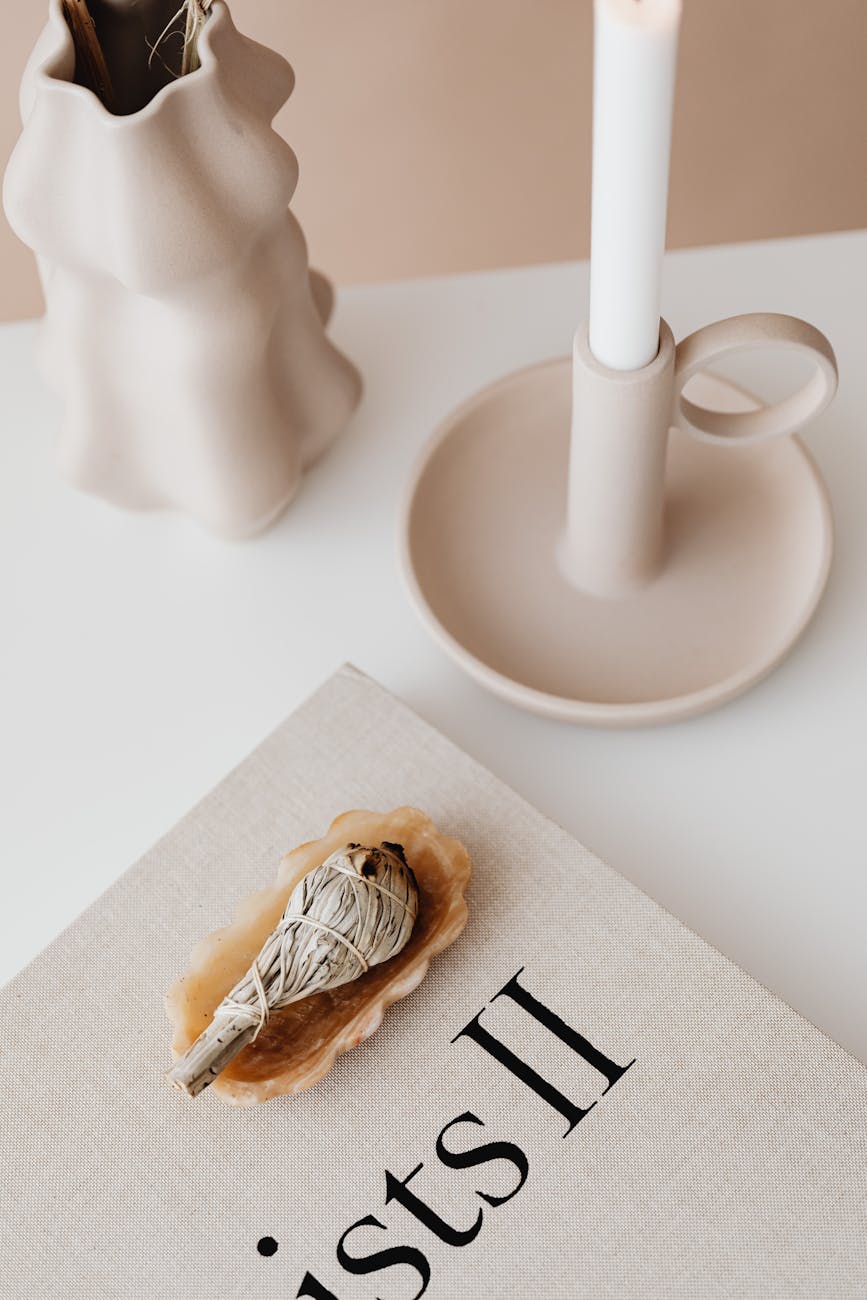
The Psychological Impact of Earth Tones on Interior Atmosphere
We observe from the data that the selection of interior palette directly modulates occupant psychological states. When designing a space intended for relaxation and grounding, the chromatic choices become active participants in the environmental experience. Specifically, the **Sage and Cream Color Scheme** operates by engaging the parasympathetic nervous system. These muted, organic hues reduce visual stimulation, allowing the brain to downshift from high-alert processing to a state of calm equilibrium. The effect is not merely aesthetic; it is physiological.
The influence of green tones, particularly sage, relates to biophilic design principles. Humans possess an innate affinity for natural environments, and incorporating these colors mimics the presence of foliage and natural landscapes. This connection reduces perceived stress levels, as the visual input signals safety and tranquility. Conversely, cream introduces a soft, diffuse quality that prevents the space from feeling stark or overly clinical. It functions as a gentle reflector, maximizing the diffusion of available light across surfaces, which further enhances the sense of warmth inherent in the design. We see this mechanism consistently applied in therapeutic design studies.
Deconstructing the Sage and Cream Synergy
The combination achieves a dynamic balance between subtle depth and expansive lightness. Sage provides the necessary grounding element; it anchors the space with an earthy, mature quality that resists visual frivolity. It establishes a sense of rootedness. Cream then acts as the expansive medium, allowing this grounded tone to breathe. This interplay prevents the room from becoming heavy or oppressive, which is a common pitfall when relying solely on deep, saturated colors. The result is an atmosphere that feels both deeply settled and airy simultaneously.
We analyze the texture created by this pairing. The muted nature of both colors naturally complements tactile materials like linen, wool, and raw wood. This synergy facilitates layering textures—a crucial element in achieving true coziness. When surfaces are rendered in these soft tones, the visual focus shifts away from sharp contrasts toward subtle surface variations, inviting sensory exploration rather than demanding intense visual attention.
Implementing the Palette: Materiality and Tactile Richness
Achieving a genuinely cozy aesthetic hinges less on paint swatches and more on the material choices that interact with the **Sage and Cream Color Scheme**. The colors set the mood; the textures deliver the physical comfort we seek. We must prioritize natural, tactile materials to amplify the inherent calming effect of the palette.
Textural Layering for Deep Comfort
The goal here is to introduce depth through surface variation. Imagine a sofa upholstered in a creamy boucle or a soft, undyed linen, providing the expansive cream base. Then, introduce elements of sage through throw pillows in textured wool or faded velvet. This layering prevents the room from appearing flat. Think about how light interacts with these surfaces; matte fabrics absorb light softly, contributing to the enveloping sensation.
We can explore textural applications beyond textiles. Introducing woven elements adds an organic complexity that mirrors nature’s patterns. For instance, incorporating handcrafted items introduces artisanal quality directly into the environment. Exploring options like DIY Macrame Wall Hangings: Boho Texture for Cozy Walls allows the incorporation of intricate, fibrous patterns that engage the eye without overwhelming it with sharp lines. These textural details create visual anchors that invite closer inspection.
Natural Materials as Foundational Elements
Natural materials possess an inherent warmth that synthetic materials often lack. Wood, stone, and natural fibers are fundamental components when working within this color framework. The warm undertones present in natural wood grains resonate perfectly with the subtle yellow-green inherent in sage, creating a harmonious chromatic relationship. When selecting furniture or accessories, prioritize materials that exhibit natural grain variation and an organic finish. This decision establishes the foundational authenticity of the cozy space.
Integrating Elements: From Walls to Vignettes
Successfully deploying the **Sage and Cream Color Scheme** requires a systematic approach to integrating objects rather than simply applying paint. Every piece must contribute to the overarching feeling of serenity and earthiness. We move beyond mere decoration into spatial curation.
Mastering Wall Treatments
The walls serve as the primary canvas for this aesthetic. A soft, matte finish in cream allows the light to spread evenly, maximizing the restful quality. If wall color saturation is a concern, consider subtle variations within the scheme—perhaps using a slightly deeper, muted sage on an accent wall to provide necessary depth without introducing harsh contrast. This nuanced approach demonstrates mastery over tonal relationships.
When focusing on vertical elements, texture remains paramount. Hanging textiles in soft, natural fibers enhances the tactile experience of the room. Observing how these materials drape and catch shadow reinforces the cozy illusion. For instance, utilizing textiles that mimic natural weaves provides a visual link to the outdoors, enhancing the biophilic connection we discussed earlier.
Curating Thoughtful Vignettes
Interior styling involves creating small zones of focused coziness within the larger space. These vignettes function as focal points for sensory engagement. A well-executed vignette utilizes objects that echo the core palette and textural themes. Consider grouping ceramic pieces in cream or matte sage tones with organic wooden accents. This careful arrangement directs the viewer’s attention to areas of intentional calm.
We can observe how accessories influence perceived coziness. Incorporating elements that suggest craftsmanship, such as handcrafted pottery or woven baskets, reinforces the narrative of natural, slow living. These items introduce an element of history and intention into the space. The process involves selecting objects based on their material composition and visual weight relative to the expansive cream background.
Achieving Enduring Serenity Through Light Management
The final layer in establishing a deeply cozy environment is controlling the quality of light throughout the day. Light manipulation dictates how effectively the **Sage and Cream Color Scheme** performs its psychological function. Harsh, direct lighting immediately negates the calming effect of soft colors.
Natural light is your most valuable asset here. Maximize window exposure and minimize internal barriers that obstruct daylight penetration. When sunlight enters the space, allow it to interact with the matte surfaces, highlighting the subtle textural variations rather than creating sharp reflections. During the morning and late afternoon, this soft, diffused illumination deepens the warmth of the cream and brings out the subtle, muted greens in the sage.
Artificial lighting must mirror this organic quality. Avoid cool, stark white bulbs. Opt instead for warm-toned light sources, typically in the 2700K to 3000K range. This specific temperature promotes a warm, amber glow that reinforces the earthy foundation of the design. Layering light through floor lamps and ambient fixtures creates pockets of intimate warmth, inviting occupants to settle into deeper relaxation zones.
The resulting environment is one where visual input is gentle, tactile engagement is rich, and the interplay of color and light induces a sustained state of grounded tranquility. This intentional construction transforms a mere room into a sanctuary defined by the soothing power of earth tones.
Tags: sage and cream, cozy decor, earthy tones, neutral palette, calm interior, home decor, serene style
Featured Image by www.kaboompics.com on Pexels.