
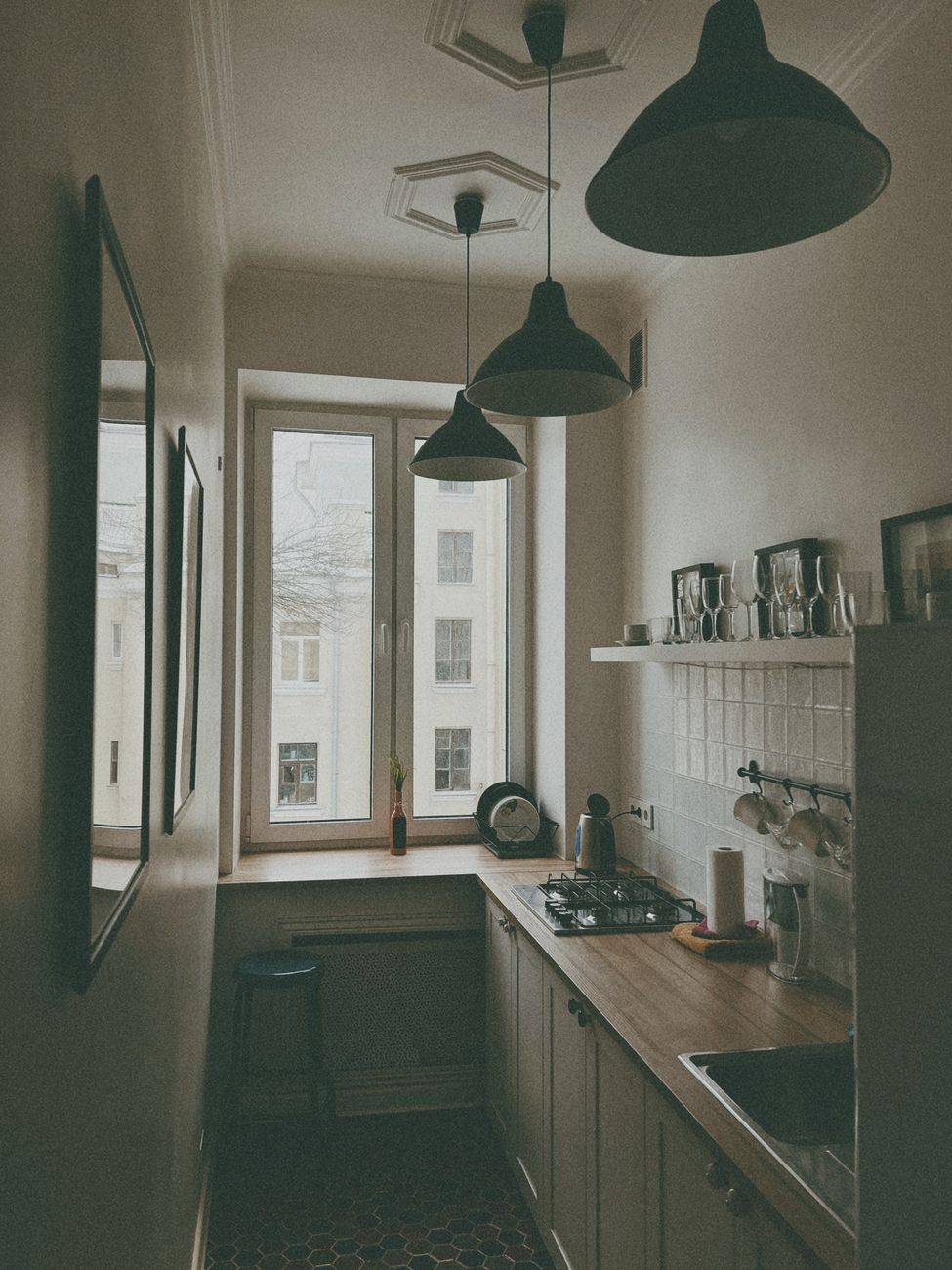
The Physics of Reflection: How Mirrors Manipulate Perceived Space
We often approach decorating small rooms by focusing solely on what is lacking—the perceived lack of area, the sense of confinement. However, the most immediate and powerful tool available to any interior designer is manipulating light through reflection. Mirrors are not simply decorative objects; they are optical instruments that fundamentally alter how our brains process spatial dimensions. We observe from the data that strategically placed reflective surfaces engage with ambient light sources, bouncing illumination across surfaces that were previously shadowed or deemphasized. This physical mechanism allows us to optically expand a confined area without adding physical square footage.
The principle at play here is simple physics: light follows the path of least resistance. When light strikes a mirror, it does not pass through; instead, it reflects, creating an illusion of depth and openness where there was previously a visual barrier. This effect becomes significantly amplified in spaces where natural light penetration is limited. In practice, maximizing this reflective potential requires understanding the relationship between the mirror, the light source, and the room’s architectural features.
Optimizing Light Paths for Maximum Illumination
The goal when deploying mirrors in tight areas is to redirect available light deeper into the space. Think about your primary light sources—windows, lamps, or overhead fixtures. Positioning a large mirror directly opposite a window achieves an immediate visual expansion by doubling the visible light exposure. This process effectively pulls the bright exterior view into the interior volume, mitigating the feeling of being boxed in.
We see this effect most clearly when dealing with north-facing rooms where natural light is consistently diffuse and weak. In such scenarios, introducing strategic reflections becomes a necessity rather than an option for creating livable ambiance. The reflection acts as an artificial light source, preventing the space from succumbing to visual darkness. This technique directly addresses the challenge of low ambient illumination by artificially increasing the perceived light density.
Strategic Placement: Geometry and Visual Flow
The placement dictates the outcome; simply hanging a mirror on an arbitrary wall will yield negligible results. We must analyze the room’s geometry and the trajectory of the light to determine optimal positioning. Consider placing a mirror on the wall adjacent to the entryway. This placement captures transitional light from the door, immediately making the entry area feel more expansive. Conversely, placing a mirror on a wall perpendicular to a window reflects the exterior view into the room’s core, maximizing the feeling of depth.
We analyze how different angles affect visual flow. A mirror positioned obliquely can create dynamic visual pathways, guiding the eye across the room in a pleasing manner. This controlled redirection prevents dead-end visual stagnation. When arranging reflective surfaces, we are essentially mapping out new visual corridors within the physical constraints of the space. Experimentation here is key; observe how the light shifts throughout the day to establish your final configuration.
Integrating Reflection with Textural Comfort
The interaction between light and surface texture creates the final layer of coziness. A perfectly lit, empty room can still feel sterile if the surfaces lack tactile engagement. Once you have successfully manipulated the light using mirrors, the next step involves layering in elements that engage the senses beyond sight. This is where the material choices become crucial for transforming a mere reflection into a sanctuary.
We observe that introducing rich textures anchors the newly expanded visual space. A highly reflective surface alone can feel cold or stark if it is juxtaposed only against flat, hard materials. By introducing textiles with varying weaves and depths, we introduce visual complexity that invites lingering. For instance, layering fabrics creates depth, which counteracts the flatness that sometimes results from excessive reflection.
Fabric Layering for Sensory Richness
When designing a cozy environment in a small space, every material choice must serve a dual function: aesthetic appeal and spatial perception management. Textural Treasures allow us to introduce softness where hard lines might otherwise dominate the visual field. By layering different materials—a smooth, reflective mirror next to a deeply woven velvet or a chunky knit—we create an intentional sensory contrast. This textural variation prevents the room from feeling overwhelmingly slick or shallow despite the optical illusions being employed.
This layering technique works because varying tactile qualities engages the viewer on multiple levels simultaneously. The eye processes the visual expanse created by the reflection, while the touch registers the comforting depth provided by the fabric. This synergy ensures that the small space feels deliberately curated and deeply comfortable rather than merely visually trickery.
Mastering Light Management Beyond Mirrors
The effect of mirrors is only one facet of effective small space lighting tricks; true mastery involves comprehensive light management throughout the entire environment. We must account for ambient, task, and accent lighting systems working in concert to achieve optimal spatial perception. A single reflective surface cannot compensate for poor overall illumination strategy.
The Role of Layered Lighting Systems
Effective lighting design relies on establishing intentional focal points rather than relying on a single overhead source. Employing multiple light sources allows us to sculpt the room’s atmosphere precisely where we desire it. Task lighting, provided by focused lamps or adjustable sconces, draws attention to specific areas, enhancing intimacy without flooding the entire space with harsh, uniform light. This targeted approach reduces visual noise and enhances perceived depth.
Accent lighting, often achieved through strategic uplighting or carefully aimed spotlights reflecting off a textured wall or an artwork, adds dramatic dimension. When we use accent lights to graze a textured surface, the interplay between shadow and highlight defines the physical volume of the room in a way that flat illumination cannot achieve. This manipulation of shadow and light is essential for making small areas feel intentional and grand.
Addressing Materiality: Light Absorption vs. Reflection
Understanding how materials interact with light is critical for advanced spatial design. Surfaces that absorb light, such as matte fabrics or deep-toned wood finishes, help to ground the space and reduce visual glare. Conversely, highly reflective surfaces like polished metals or glass amplify the available light exponentially. When designing small spaces, we must balance these opposing forces.
If a room relies heavily on mirrors for expansion, incorporating absorbent materials elsewhere prevents the overall environment from becoming overly bright or visually chaotic. For example, while a mirror maximizes light flow across a wall, using matte paint tones on that same wall helps absorb some of the reflected intensity, creating a balanced visual equilibrium. This careful calibration ensures the space feels luminous yet grounded—a true reflection of expert interior design practice.
Tags: small space design, mirror placement, room brightening, small room hacks, lighting tricks, decorating tips, space illusion
Featured Image by Julia C on Pexels.