
The Physics of Comfort: Deconstructing Layering Textures for Sensory Richness
We often approach decorating as a matter of selecting individual pieces—a beautiful rug here, a soft throw there. However, achieving that deeply luxurious, enveloping bedroom feel requires understanding the mechanics of how textiles interact with our sensory perception. Simply placing a velvet pillow next to a cotton duvet does not generate true depth; it creates parallel surfaces. True tactile luxury emerges when we manipulate the interplay between different surface qualities. This is the principle behind effective **layering textures bedroom decor**.
The human brain processes visual information, but touch engages entirely different neural pathways. When we introduce varied textural inputs, the brain registers a richer, more complex sensory environment. Think of it as creating a tactile landscape within your room. We observe that smooth, cool surfaces contrast sharply with deep, plush, and highly textured ones. This juxtaposition prevents visual monotony and actively stimulates the sense of coziness.
Understanding Tactile Contrast and Visual Depth
The mechanism at play here is optical illusion facilitated by material variance. A flat expanse of identical fabric absorbs light uniformly. Introducing materials with differing pile heights, weaves, and surface reflectivity forces the eye to constantly adjust its focus across the plane. This constant micro-adjustment signals complexity to the visual cortex, which we interpret as depth and richness.
Consider the difference between a tightly woven, cool linen sheet and a heavily brushed, deep-pile faux fur throw. The linen offers a crisp, breathable baseline; it provides structure. The fur introduces profound softness and light diffusion. This contrast is what elevates the room from merely decorated to truly enveloping. We are not just covering surfaces; we are engineering an experience for the body resting within those surfaces.
When analyzing successful bedroom designs, the key factor is establishing a hierarchy of tactile experience. You want the base layers—the foundation elements like bedding and major upholstery—to feel inherently comfortable against the skin. Then, you introduce accent layers that provide high-impact sensory jolts. This progression prevents the overall feeling from becoming overwhelmingly soft or, conversely, texturally confusing.
Material Science in Bedroom Textiles
Different materials possess distinct physical properties that dictate how they interact with light, heat retention, and perceived softness. Understanding this material science allows us to select components intentionally rather than aesthetically.
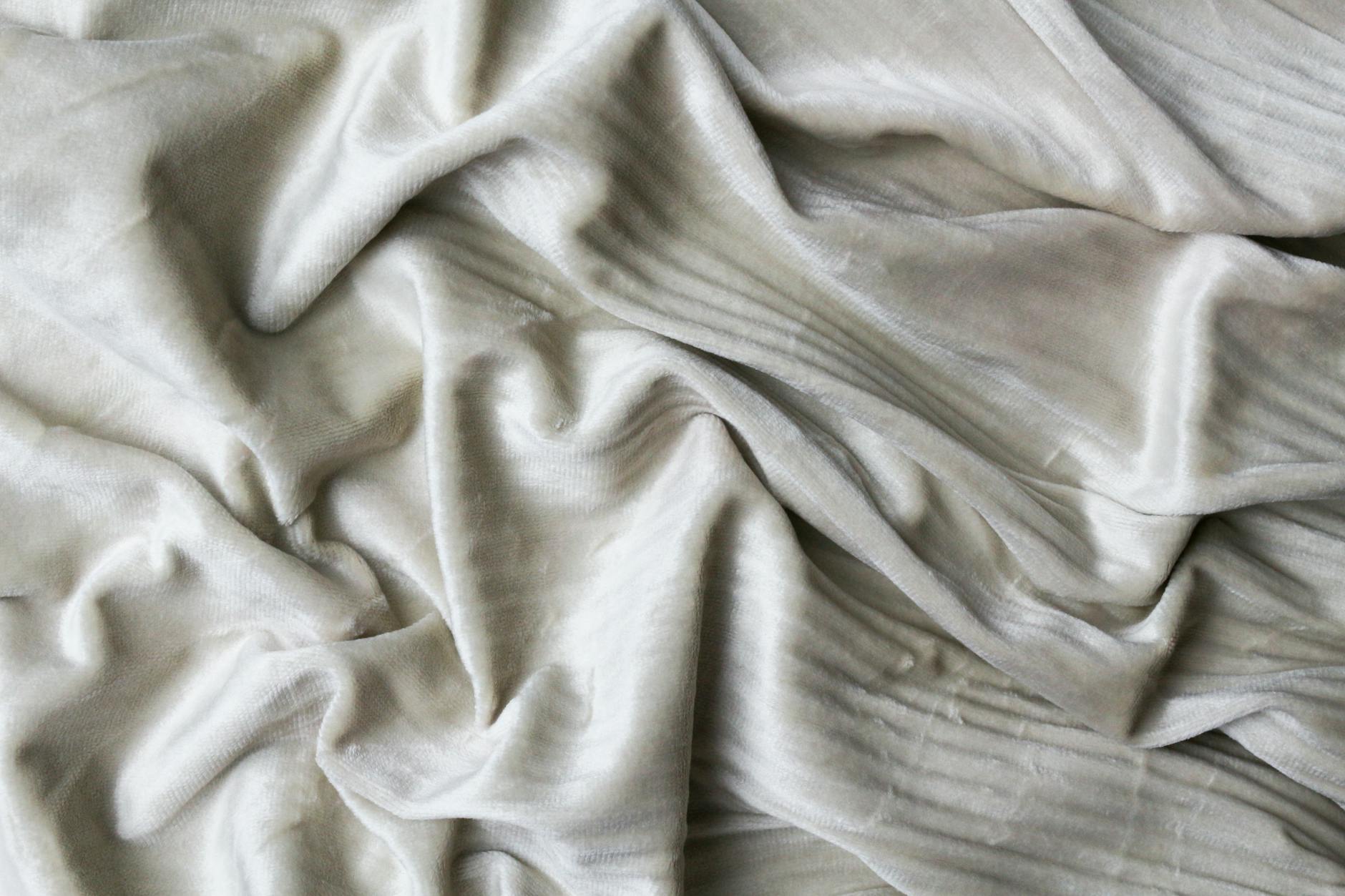
Velvet, for example, functions by trapping light within its dense pile, creating deep shadows that enhance the perception of richness. It absorbs ambient light and reflects only a small amount back, lending an intimate, enveloping quality to the space. Linen, conversely, operates on a different principle; its natural slubbing and visible weave introduce organic texture and allow for significant airflow, regulating body temperature effectively.
Faux fur introduces a specific kind of high-pile density. Its mechanism involves trapping air pockets, which creates a substantial sense of plushness and insulation. When layering this over smoother fabrics, the resulting surface offers multi-dimensional resistance to touch. This layered resistance is what our tactile system registers as luxury.
We see this principle applied across various elements. A heavy wool throw juxtaposed against a silk pillowcase immediately signals a high-end environment. The difference in the way light skims across these surfaces—one reflecting smoothly, the other scattering softly—communicates quality without needing explicit labeling. This subtle interplay is what defines sophisticated interior design practice.
Implementing Layering Strategies Effectively
Applying this understanding requires a strategic approach to placement and scale. Randomly scattering textures yields noise; intentional layering creates harmony. We must think about how these elements will function during various states of rest and activity within the bedroom environment.
Establish your foundation first. This involves selecting bedding that prioritizes sleep quality, perhaps opting for high-thread-count organic cotton as the primary layer. This sets the baseline for comfort and breathability. Next, introduce a secondary layer—a substantial duvet or a heavier linen coverlet—this provides the main body of warmth and structure.
Then come the accent textures. Introduce items like a chunky knit throw, a velvet bolster pillow, or a faux fur blanket. These are not meant to cover large areas but function as focal points, drawing attention to specific zones of comfort. Observe where the light falls; position these textural elements so that shadows play across their surfaces throughout the day.
The scale of the layering matters immensely. If all textures are massive and heavy, the room risks feeling oppressive. A successful strategy involves balancing high-texture elements with smooth, breathable anchors. For instance, pairing a very shaggy rug with sleek, polished wooden furniture creates an intentional tension that is inherently sophisticated. This dynamic interplay keeps the space engaging rather than simply soft.
Creating Atmospheric Zones Through Texture
Layering textures extends beyond simple bedding arrangements; it defines distinct zones within the room, each optimized for a different sensory input. We can use textiles to signal purpose, whether it is deep relaxation or focused activity.
When designing a sanctuary, the approach must be deliberate. For instance, if one area is designated purely for sleep, the textures should maximize tranquility. Deep, muted velvets and soft, heavy knits work well here because they encourage sinking into the space. Conversely, an area intended for reading or focused work benefits from textiles that offer visual stimulation without demanding physical rest.
If you are curating a space dedicated to concentration, consider how surfaces affect focus. A smooth, cool surface minimizes visual distraction. We observe that integrating materials with high thermal regulation properties—like crisp linen or smooth wool blends—helps maintain a state of calm alertness. This principle links directly to the importance of optimized environments; for example, when establishing a **cozy home office for focus and calm**, the tactile environment must support cognitive clarity.
The integration of light also modulates the perceived texture. The way ambient illumination interacts with different fibers changes their apparent depth dramatically. Soft, diffused light allows the subtle variations in texture to become more pronounced, enhancing the richness of the layering effect. This is why optimizing your lighting scheme is inseparable from mastering textile placement. When setting a **serene glow for sleep**, dimmable sources allow you to emphasize shadow play across velvet or the soft nap of faux fur, deepening the sense of immersion.
The Psychological Impact of Tactile Richness
The final layer of analysis concerns the psychological outcome. Why do we seek out this sensory complexity? Our environment serves as an extension of our emotional state. A room saturated with varied, rich textures signals safety, indulgence, and intentional design. It moves the experience beyond mere function into the realm of experiential living.
When a space feels texturally rich, it triggers a sense of immediate, visceral comfort. The brain associates this sensory input with feelings of security and well-being. This effect is amplified when the materials themselves feel luxurious to the touch. We are not merely decorating; we are constructing an atmosphere engineered for deep relaxation.
This intentional layering demonstrates mastery over the domestic environment. It shows a deliberate choice to engage the senses fully, moving away from the flat, uninteresting surfaces of mass-produced décor. Mastering **layering textures bedroom decor** is mastering the art of creating personal sanctuaries where every touch reinforces a sense of opulent, enveloping peace. The result is a room that doesn’t just look beautiful; it feels profoundly lived in and deeply comforting.
Tags: bedroom decor, textile layering, luxury bedding, home textiles, velvet decor, linen bedding, cozy home
Featured Image by Tamanna Rumee on Pexels.