
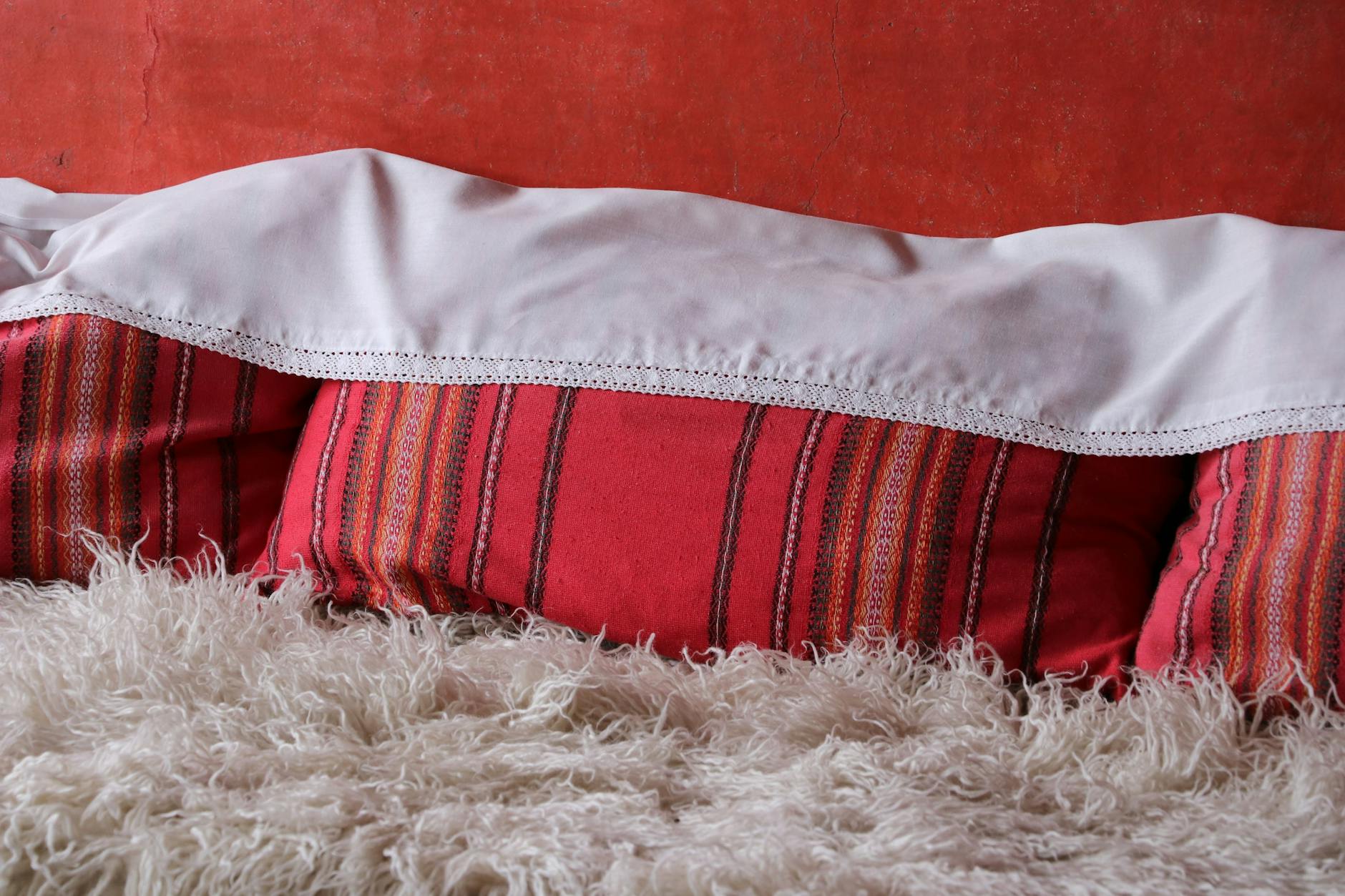
The Science of Visual Depth: Mastering Layered Textile Bedroom Decor
We observe from the data that a single flat surface rarely achieves true visual richness; depth emerges through complexity. When designing a bedroom, we are not merely selecting fabrics for coverage. We are engineering an optical experience. This is precisely where intentional textile layering becomes a powerful mechanism for elevating the space from simple comfort to sophisticated sanctuary. The principle relies on manipulating how light interacts with different material surfaces, creating shadows and highlights that define form and texture.
The goal of employing **layered textile bedroom decor** is to introduce tactile variation across the visual field. Think of it as building an atmosphere, one layer at a time, until the room feels enveloping rather than merely decorated. This process moves beyond surface dressing into spatial design. We are engaging the viewer’s perception through the interplay of weave, weight, and pattern density.
Deconstructing Texture: The Mechanics of Tactile Perception
Texture is not an inherent property of a single fabric; it is a relational effect created by how materials sit next to one another. When you introduce different tactile qualities—rough versus smooth, heavy versus light—you initiate a complex sensory response in the observer. A flat expanse of uniform material offers minimal engagement. Conversely, layering introduces friction points for the eye to explore, stimulating deeper cognitive processing about the space’s dimensionality.
Consider the juxtaposition of materials. Placing a high-pile, heavily textured wool throw over a smooth, cool linen duvet creates an immediate tension. This contrast forces the brain to register two distinct material realities simultaneously. This is the mechanism by which cozy luxury is established; it stems from perceived material difference. We are controlling the visual narrative through this physical interaction.
We see this same principle applied across different functional areas. If you are designing a space that requires tactile warmth, understanding these contrasts is essential. For instance, when considering textiles for a bathroom environment, similar principles apply: integrating varying materials signals a rich experience. For example, exploring how soft textiles influence mood demonstrates this effect perfectly; one must understand the physical properties of the material to predict its psychological impact on the viewer.
Weight and Drape: Engineering Material Hierarchy
The weight or GSM (Grams per Square Meter) of a textile directly dictates its visual presence. Heavier fabrics possess greater inertia, causing them to drape with more substance and cast deeper shadows. Lighter materials possess a fluid quality, allowing them to float and create airy expanses. Mastering this hierarchy is central to effective layering.
When selecting bedding, we must assess the fabric’s ability to hold its shape while draping softly. A heavy velvet, for example, maintains its opulent folds regardless of how it is placed, anchoring the visual weight of the arrangement. A sheer voile, conversely, diffuses light, creating an ethereal, lighter layer that allows the underlying textures to subtly emerge. This manipulation of visual density prevents the room from feeling visually flat or overly cluttered.
In practice, understanding drape involves observing how textiles react to tension. A poorly chosen pairing might result in fabrics bunching awkwardly, which immediately breaks the illusion of intentional design. We must ensure that each textile contributes a distinct dimensional plane rather than simply overlapping indistinctly. This requires an analytical approach to material physics, not just aesthetic preference.
Pattern Play: Introducing Controlled Complexity
Pattern is the most overt way we communicate visual interest, but its deployment in layering demands strategic restraint. Overloading a space with competing patterns results in visual noise, which negates the desired effect of luxury. The key lies in establishing a clear hierarchy among the chosen motifs. Some elements should act as anchors, while others should function as accents that introduce kinetic energy.
We can achieve complexity without chaos by controlling scale and saturation across the layers. A large-scale, muted geometric pattern placed beneath a smaller, richly detailed floral print establishes a foundational rhythm. The larger piece provides the stable base; the smaller piece introduces the intricate detail that invites closer inspection. This relationship between scale creates the necessary visual tension.
When integrating patterns into bedroom decor, we observe that monochromatic or tone-on-tone layering functions as an effective technique for cohesion. Using variations in texture within a single color family—perhaps a ribbed knit beneath a brushed sateen—allows the eye to perceive complexity through touch and light variation rather than relying solely on contrasting visual motifs. This subtlety is often more sophisticated than high-contrast pattern mixing.
Establishing Focal Points Through Strategic Placement
Layering textiles also dictates where the viewer’s gaze settles. By strategically placing heavier, richer materials near primary focal points, we anchor the composition. For example, draping a substantial, richly colored throw over the foot of a bed immediately draws attention to that zone. This anchors the entire arrangement in terms of perceived comfort and importance.
We must consider the relationship between textiles and architectural elements. If you are pairing soft bedding with hard surfaces, ensure there is a transitional layer that mediates the change in texture. The transition should not be jarring; it should be a smooth visual gradient. Think about how this principle applies when moving between spaces; for instance, transitioning from a bedroom’s softness to an area requiring more structured elements, such as natural wood or stone accents found in rustic bathroom decor, requires a deliberate modulation of the textile intensity.
The placement dictates the narrative. A carefully arranged stack of textiles signals intentionality. It tells the observer that every piece has been considered for its contribution to the overall mood. This is how we transform mere furnishings into curated environments. We are controlling the visual flow by manipulating the depth established by our layered textile bedroom decor.
Tags: textile layering, bedroom decor, fabric textures, cozy home, bedroom styling, velvet linen, textile design
Featured Image by Arkadia Zheleva on Pexels.