
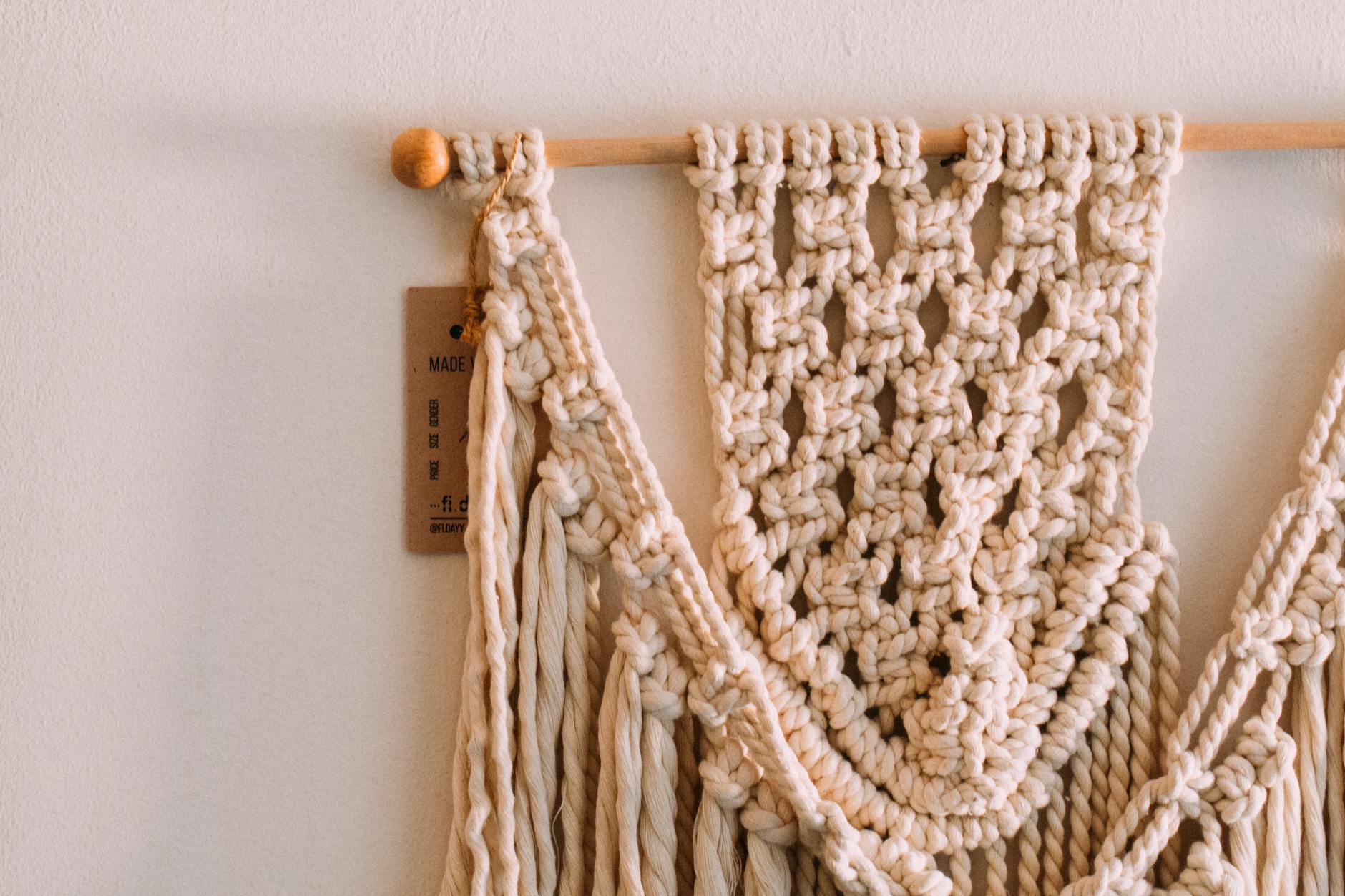
Deconstructing the Art of Macrame Wall Hanging DIY
The appeal of macrame wall hangings stems from a specific interplay between manual dexterity and aesthetic outcome. We are not simply stringing knots; we are engaging in a tactile process where tension, fiber manipulation, and geometric pattern execution dictate the final textile structure. Observing the contemporary interior design landscape, there is a demonstrable shift toward artisanal, handcrafted elements that inject authenticity into manufactured spaces. This trend suggests that occupants seek objects imbued with a tangible history, moving away from mass-produced uniformity.
Creating these pieces involves understanding the physics of fiber. The success of any macrame project hinges on correctly assessing the weight and flexibility of the cotton or rope material chosen. If the cord is too fine, the resulting knots become brittle and lack structural integrity; if it is too thick, the drape becomes overly heavy and cumbersome. Our analysis indicates that mastering tension control is the single most critical skill separating a novice attempt from a professional-grade hanging.
Understanding the Core Knot Techniques
The foundation of macrame lies in mastering specific knot patterns. These are not arbitrary decorations; they function as structural components that distribute weight and define the visual texture of the piece. We observe that different knots serve distinct mechanical purposes across the design spectrum.
For instance, the square knot forms the fundamental binding element, providing necessary tensile strength to hold the intersecting cords together. When executing this knot, maintaining consistent tension across all strands ensures a flat, even surface; any localized slack will result in uneven density when the piece is displayed. Moving beyond basic binding requires introducing more complex weaves and fringe techniques.
The Mechanics Behind Popular Designs
Many popular wall hanging styles rely on specific structural arrangements. Understanding these mechanisms allows for intentional design choices rather than simple replication. We often see designs that mimic woven textiles, where alternating knots create a visual illusion of intricate weaving. This illusion is achieved by precisely controlling the overlap and the length of the cords used in each segment.
When designing a piece, consider how the pattern interacts with the physical plane. A dense arrangement of knots creates a solid, textural focal point. Conversely, incorporating larger gaps between elements allows the background fabric or wall to contribute significantly to the overall composition. This deliberate manipulation of negative space is crucial for achieving that coveted bohemian flow.
Material Selection and Fiber Dynamics
The choice of material directly influences the final aesthetic outcome. Cotton rope remains the industry standard because its natural texture complements the handcrafted nature of the work beautifully. We see variations in fiber weight, which affects how the knots settle and drape over time. Heavier cotton results in more pronounced shadows and a denser visual impact.
Exploring alternative materials introduces new variables. Jute offers a more rustic, earthy feel, while thicker wool fibers provide substantial texture. Experimenting with these material properties reveals much about the process of textile creation itself. We must account for how the chosen fiber responds to moisture and handling; this impacts the longevity of the finished piece.
Integrating Macrame into Interior Design Strategies
A macrame wall hanging functions as an anchor point in a room’s visual narrative. Its presence dictates the surrounding color palette, texture layering, and overall mood. Placing such a statement piece requires strategic consideration regarding spatial dynamics. We must assess how the textile interacts with the room’s existing architectural lines.
The way a hanging is positioned determines its perceived scale. A large piece demands ample wall space to avoid appearing diminutive; smaller pieces work effectively as accent points in transitional areas or above furniture. When planning placement, consider the flow of visual paths throughout the room. This connects directly to the concept of maximizing spatial awareness. For instance, when optimizing small spaces, utilizing vertical elements like a well-placed macrame piece draws the eye upward, enhancing the perception of height and openness. Consider how this element supports ideas related to vertical magic: Maximize Storage & Cozy Ambiance in Small Rooms.
Pairing Textures and Color Palettes
The inherent texture of macrame introduces a crucial textural contrast. Because the knots create an organic, open structure, they naturally balance smoother surfaces like painted drywall or polished wood. This juxtaposition creates depth. We observe that pairing this tactile element with specific color schemes enhances its impact dramatically.
If your room employs bold, saturated hues, a neutral macrame piece offers an essential grounding effect, preventing the space from feeling overwhelming. Conversely, in a minimalist setting dominated by clean lines and cool tones, a richly textured bohemian hanging introduces necessary warmth and organic complexity. We recommend reviewing Top 5 Color Schemes for Every Room in Your Home to ensure your textile choice complements the established chromatic environment.
Functional Application Beyond Decoration
While primarily decorative, macrame can serve functional roles within the home environment. The structure of the hanging allows for creative integration with storage solutions. For example, designing a piece that incorporates subtle hooks or woven loops offers a subtle organizational feature. This shifts the item from being purely ornamental to an interactive element in daily living.
This functional approach encourages deeper engagement with the craft. When you design the piece, you are simultaneously solving a decorative problem and a spatial challenge. The process demands thoughtful planning concerning dimensions and placement relative to furniture lines.
The Process of Macrame Wall Hanging DIY Execution
Executing the project requires moving systematically through preparation, execution, and finishing stages. Rushing any phase compromises the final structural integrity and aesthetic appeal we strive for. We analyze the process as a sequence of physical transformations that must be carefully managed.
Preparation: Blueprinting the Project
Before any cord is cut, one must establish the blueprint. This involves calculating the required length based on the desired width and density of the pattern. If aiming for a wide, flowing effect, we need significantly more cord than if seeking a dense, geometric grid. We must also account for the drape; the intended visual weight influences the starting material selection.
Mapping out the pattern onto paper or directly onto the cords ensures that symmetry is established before physical execution begins. This preparatory phase prevents costly mid-project adjustments and guarantees proportional results.
Execution: Mastering the Tension Curve
This stage demands acute sensitivity to physics. Every knot must be executed with deliberate intention regarding tension distribution across the entire cord structure. A consistent, gentle pull guides the fiber into the desired configuration. We observe that beginners often apply too much force initially, creating knots that are overly tight and inflexible.
The rhythm of the work is as important as the individual knot itself. Maintaining a steady hand and an even application of pressure allows the natural flow of the material to emerge organically. This iterative process requires constant self-correction based on how the material responds under strain.
Finishing Touches: Setting and Display
Once the primary structure is complete, attention shifts to securing the final elements. If incorporating fringe, the length must be measured precisely so that the tassels fall with the intended weight and visual appeal. Securing the top edge firmly prevents slippage and maintains the integrity of the hanging when exposed to environmental factors.
The final presentation involves observing the piece in context. How does the light interact with the shadows cast by the knots? Does the texture read as soft, rustic, or sharp? Viewing the finished product against the backdrop of the room is the final analytical step. It confirms whether the executed structure successfully translated the initial artistic vision into tangible, cozy home decoration. The resulting piece becomes not just an object, but a physical manifestation of patient craftsmanship.
Tags: macrame, DIY decor, boho home, wall hanging, crafts, macrame tutorial, bohemian decor
Featured Image by Maria Tyutina on Pexels.