
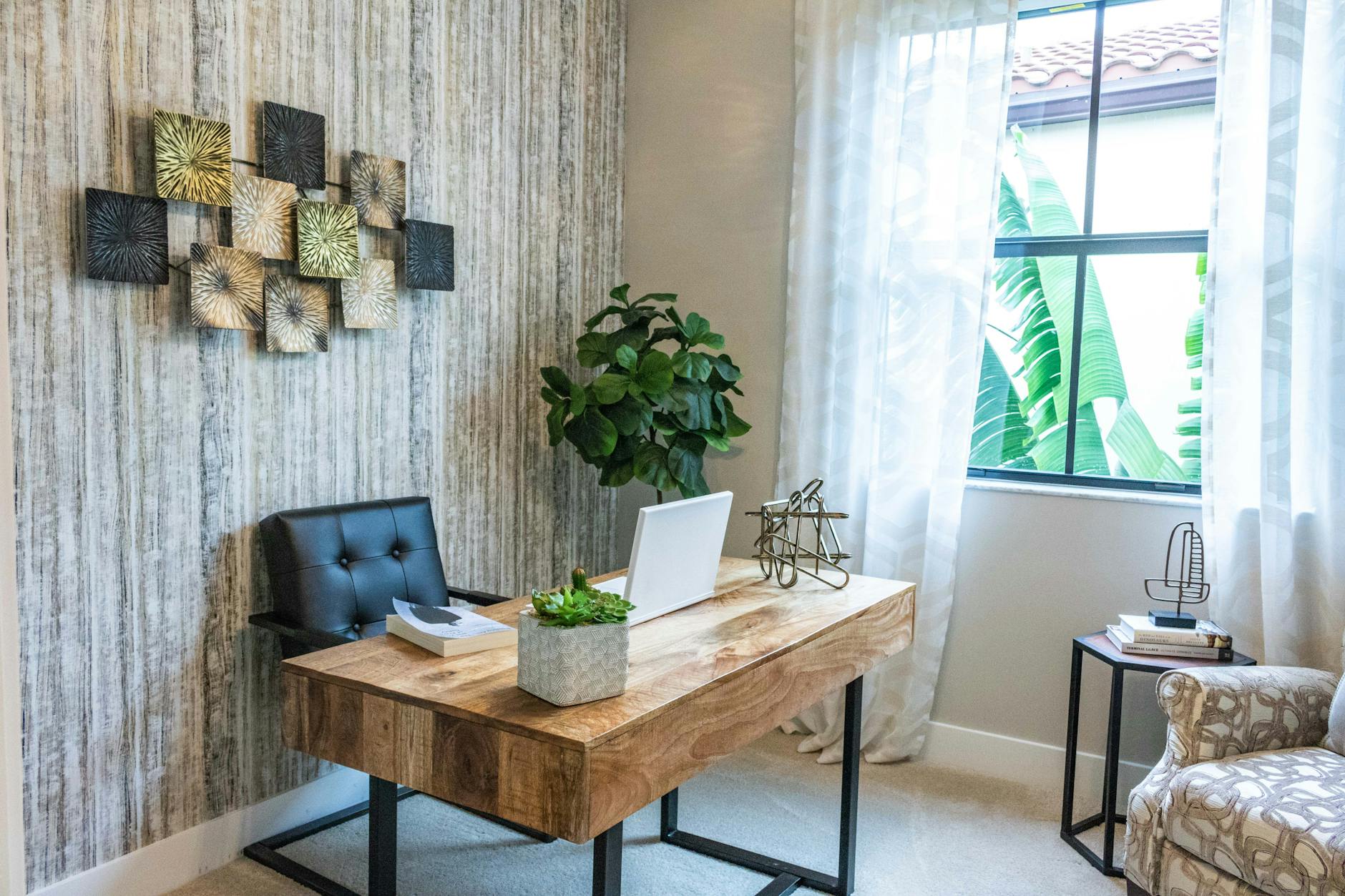
Optimizing Your Workspace for Peak Productivity and Comfort
Creating a workspace that supports both high-level cognitive function and deep physical relaxation requires a deliberate approach to spatial design. We are not simply arranging furniture; we are engineering an environment where focus is sustained and stress dissipates. Achieving the desired cozy home office design involves balancing functional ergonomics with sensory comfort, a process that requires understanding the interplay between physical positioning, light quality, and tactile input.
Establishing Foundational Ergonomic Principles
The baseline for any productive workspace rests on proper biomechanics. We observe from the data that improper setup introduces cumulative strain over time, directly impacting concentration spans and long-term musculoskeletal health. Consider the relationship between monitor height, keyboard placement, and wrist alignment; these adjustments are not arbitrary preferences but measurable factors influencing posture. For instance, when the top third of your screen aligns with your eye level, you minimize neck flexion, which is crucial for sustained visual focus.
We must account for the depth of your seated position. A deeper chair allows for proper thigh support, preventing the compression of the lower back. If you sit too far forward or too close to the desk surface, the necessary lumbar curve collapses, forcing compensatory muscle engagement that drains cognitive resources meant for task execution. We need to engineer the space so that achieving a neutral spine position requires minimal muscular effort; this is the essence of true ergonomic integration into your cozy home office design.
Layering Textural Comfort for Sensory Engagement
Ergonomics addresses the skeletal system; sensory comfort addresses the nervous system. A workspace optimized only for posture can still feel sterile and uninviting if it lacks textural richness. The introduction of soft, natural materials directly modulates ambient stress levels. We find that incorporating rich textiles acts as a powerful non-verbal cue signaling safety and relaxation to the brain.
Think about the surfaces surrounding your immediate work area. Hard, cold surfaces transmit a sense of rigidity. Soft furnishings introduce tactile warmth, which engages sensory pathways in a profoundly calming manner. Using natural fibers like wool, linen, or soft velvet on accent chairs or throws immediately elevates the perceived comfort quotient of the room. When designing this nook, we are essentially programming the environment to favor a state conducive to deep work, moving beyond mere functionality into holistic well-being.
Strategic Use of Light and Ambiance Control
The quality of illumination dictates circadian rhythm regulation, which is intrinsically linked to alertness and mood. Harsh, cool overhead lighting suppresses melatonin production, hindering relaxation even when the physical setup is perfect. Conversely, warm, diffused light encourages a state of sustained engagement suitable for long work sessions. We analyze how ambient lighting affects visual fatigue; shadows and direct glare create unnecessary visual noise that pulls attention away from the task at hand.
Implementing layered lighting addresses this complexity effectively. Relying solely on one central source is a design error in this context. Introduce task lighting directly onto your workspace for detailed work, ensuring high illumination where focus is required. Simultaneously, use ambient, warmer light sources—perhaps floor lamps with soft diffusers or strategically placed candles—to establish the cozy atmosphere. This controlled interplay between bright task illumination and warm ambient glow crafts an atmosphere that feels both focused and deeply comforting.
Integrating Biophilic Elements for Natural Connection
The human brain exhibits a strong affinity for natural forms and organic patterns; this principle, known as biophilia, suggests that connecting with nature enhances cognitive performance. Bringing elements of the outdoors inside directly impacts the psychological state of the occupant. Incorporating natural textures, muted earth tones, and views of greenery serves to reduce the physiological stress response associated with sterile, artificial environments.
We see strong results when incorporating organic visual anchors into the design schema. Walls treated with subtle, woven patterns or natural wood tones create an immediate sense of rootedness. If you seek a more decorative layer that embodies this connection, exploring handcrafted elements provides tangible grounding. For example, considering items like DIY Macrame Wall Hangings can introduce intricate, organic patterns that soften architectural lines while adding artisanal character to the space.
Maximizing Vertical Space with Intentional Decor
In smaller spaces, maximizing usable area requires strategic vertical planning rather than simply overcrowding surfaces. The goal remains creating an expansive feeling without sacrificing the necessary sense of enclosure inherent in a nook. Shelving units and wall decor must serve dual purposes: providing storage while contributing to the overall aesthetic narrative.
When selecting decor items, we analyze their visual weight versus their functional utility. Avoid clutter that demands constant visual processing; instead, choose pieces that offer visual interest without introducing unnecessary cognitive load. Curating thoughtful collections of objects allows the environment to communicate sophistication and calm simultaneously. This careful selection ensures that every item contributes positively to the desired cozy home office design, rather than acting as a distraction.
The Power of Tactile Investment
The physical interaction with your workspace should feel luxurious, not purely utilitarian. Investing in high-quality materials for seating, desk surfaces, and textiles creates an immediate psychological payoff upon sitting down. This tactile investment signals respect for the user and enhances the perceived quality of the entire environment.
Textiles are perhaps the most immediate way to achieve this sensory richness. Choosing fabrics with a pleasing texture—think the soft hand of cashmere or the inviting depth of chunky knit—transforms the experience of occupying the space. When you interact with these materials throughout the day, you anchor yourself in comfort. Curating your ultimate cozy bedding collection, for example, establishes this principle across your entire living environment, ensuring that every touch reinforces the intended feeling of sanctuary.
Tags: home office design, ergonomic workspace, cozy decor, small office, workspace tips, home office, interior design
Featured Image by Barion McQueen on Pexels.