
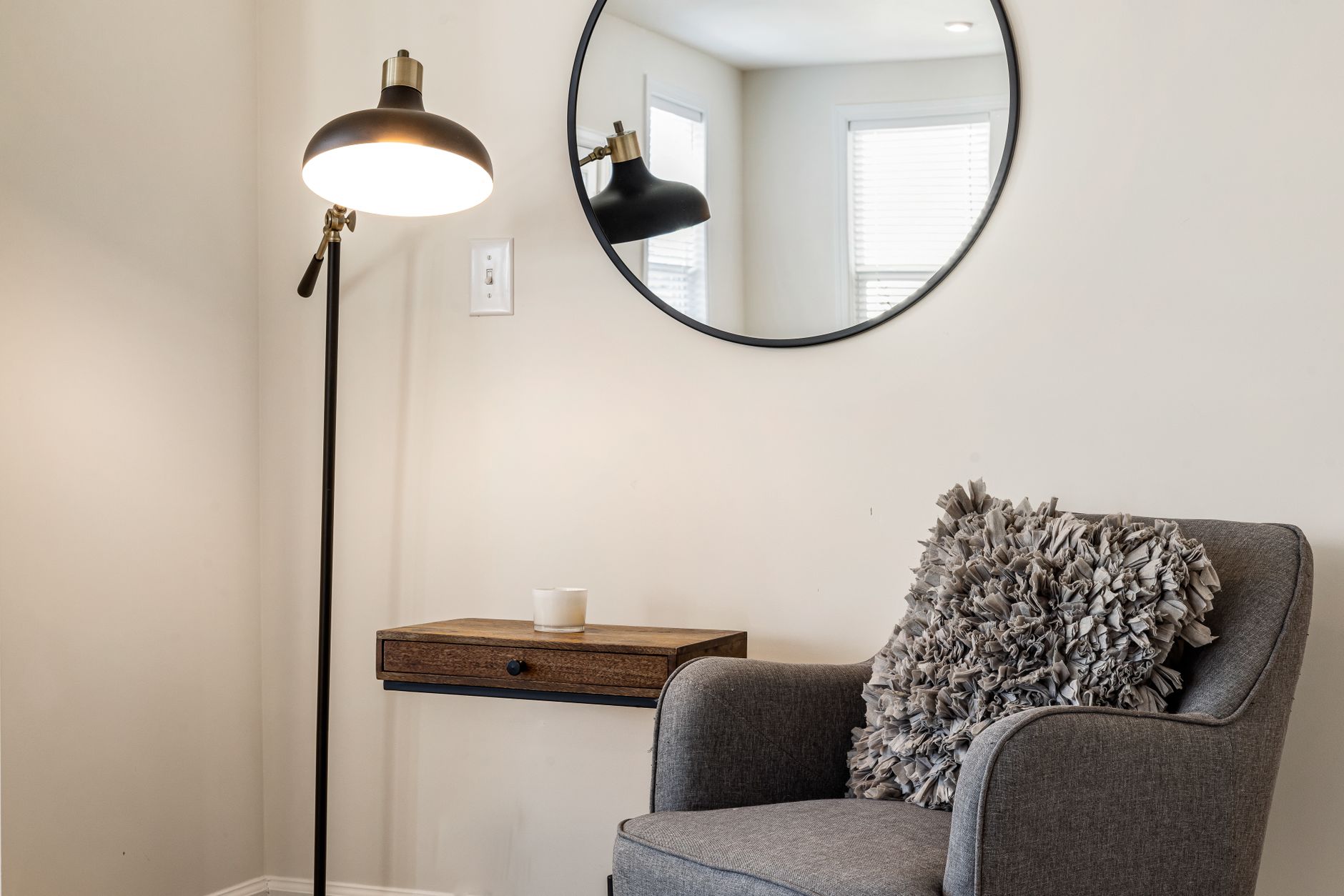
The Geometry of Comfort: Engineering Optimal Cozy Living Room Corners
We often focus on the large scale of a room—the sofa, the rug, the overall layout—but true domestic contentment is often discovered in the micro-spaces. The living room corner represents a unique zone; it is an intersection where visual flow meets physical repose. Designing these specific nooks requires moving beyond simple aesthetics and engaging with principles of spatial psychology and tactile engagement. We are not just filling empty space; we are calibrating an environment for specific sensory input.
The mechanism by which a corner transforms into a focal point involves manipulating perceived enclosure and visual framing. When you define a corner, you are establishing boundaries that dictate how light falls, how sound reflects, and most importantly, how occupants perceive intimacy. A poorly defined corner remains an awkward void; a well-designed one becomes an invitation to retreat. Our analysis suggests that the intentional creation of these zones directly impacts the perceived coziness coefficient of the entire space.
Defining the Functional Purpose of a Corner Space
Before applying décor, we must assess the intended function of the corner. Is this area meant for reading, quiet contemplation, casual conversation, or perhaps displaying curated objects? The required design intervention shifts dramatically based on this functional mandate. For instance, a reading nook demands superior ambient lighting and ergonomic seating positioning. A conversational nook prioritizes soft, enveloping textures that encourage lingering and relaxed posture.
We observe that the physical dimensions of the corner inherently limit the possibilities. A sharp, acute angle restricts the flow of furniture placement, demanding creative solutions. We must treat these geometric constraints as design challenges rather than obstacles. By understanding the spatial limitations, we can engineer solutions that maximize comfort within those bounds. This process demands an analytical approach, mapping human behavior onto architectural form.
Mastering the Art of Tactile Richness
The sensory experience of a cozy corner is heavily mediated by touch. Visual appeal alone fails to deliver true warmth; the tactile interaction with materials anchors the feeling of safety and invitation. This is where textile selection becomes a primary design lever. We see that the choice of fabric dictates thermal perception and psychological association instantly.
Consider the layering effect. A simple throw blanket offers superficial softness. True coziness arises from complex textural interplay. We need depth in the tactile experience. Experimenting with materials like deep-pile bouclés, heavy velvet, or chunky knits introduces variable resistance to the touch. This variation prevents monotony and engages different sensory receptors simultaneously. When designing these spots, we focus on how textiles interact with light; matte fabrics absorb light, creating shadow pockets that enhance depth, while reflective surfaces introduce subtle gleams.
To achieve this layered effect effectively, one must master the art of textile layering. Examining the properties of materials allows us to predict their performance in a cozy environment. Understanding how different fibers trap air and modulate thermal transfer is crucial for designing spaces where occupants feel enveloped. If you are seeking advanced material guidance on achieving this specific depth of texture, exploring resources on [Master Textile Layering: Knits, Bouclés, and Velvet for Cozy Textures](https://decorandliving.com/master-textile-layering-knits-boucles-velvet/) provides a strong foundation for these decisions.
Illuminating the Nook: Lighting as an Emotional Tool
Light is perhaps the most powerful tool in crafting an intimate corner. Ambient lighting sets the overall mood, but targeted task lighting defines the specific function of that nook. We must employ layers of illumination rather than relying on a single overhead source.
For reading or quiet reflection, low-level, warm light is non-negotiable. We observe that light temperatures play a significant role; cooler tones signal alertness, whereas warmer tones trigger relaxation responses in the human visual system. Integrating floor lamps with diffused shades allows light to pool gently over textiles and objects, creating inviting pools of illumination rather than harsh, exposed surfaces. This manipulation of shadow and light enhances the feeling of enclosure.
The relationship between acoustics and lighting is also critical here. A corner designed for deep conversation benefits from softer light distribution. When considering spaces where acoustic performance is paramount, ensuring that light sources do not introduce distracting glare or harsh reflections supports a more serene auditory experience. For those focusing on creating acoustically balanced spaces, understanding the interplay between sound absorption and visual flow in areas like an [Acoustic Home Office Design Guide](https://decorandliving.com/acoustic-home-office-design/) offers relevant spatial principles.
Curating Objects: The Psychology of Personalization
Once the physical structure and tactile experience are established, the final layer involves personalization. The objects placed within the cozy corner serve as anchors for memory and identity. These curated items signal to the occupant that this space is personally owned and intentionally designed for their specific needs. We move from mere decoration to intentional arrangement.
We should select items based on their narrative weight rather than just their decorative value. A stack of well-loved books, a unique ceramic mug, or a sculptural piece all contribute to establishing a sense of history and belonging within the nook. The placement of these elements must respect the visual flow established by the surrounding architecture. Avoid clutter; intentional scarcity often enhances perceived luxury and coziness.
Think about how objects interact with the light we discussed earlier. Placing reflective items near a window can amplify natural light, while matte objects deepen shadows and invite introspection. This subtle choreography between form, texture, light, and personal history is what elevates a corner from merely decorated to truly cozy living room corners. It becomes a sanctuary built specifically for the occupant’s sense of ease.
Tags: cozy home decor, living room design, nook design, home comfort, cozy spaces, interior design tips, living room ideas
Featured Image by Curtis Adams on Pexels.