
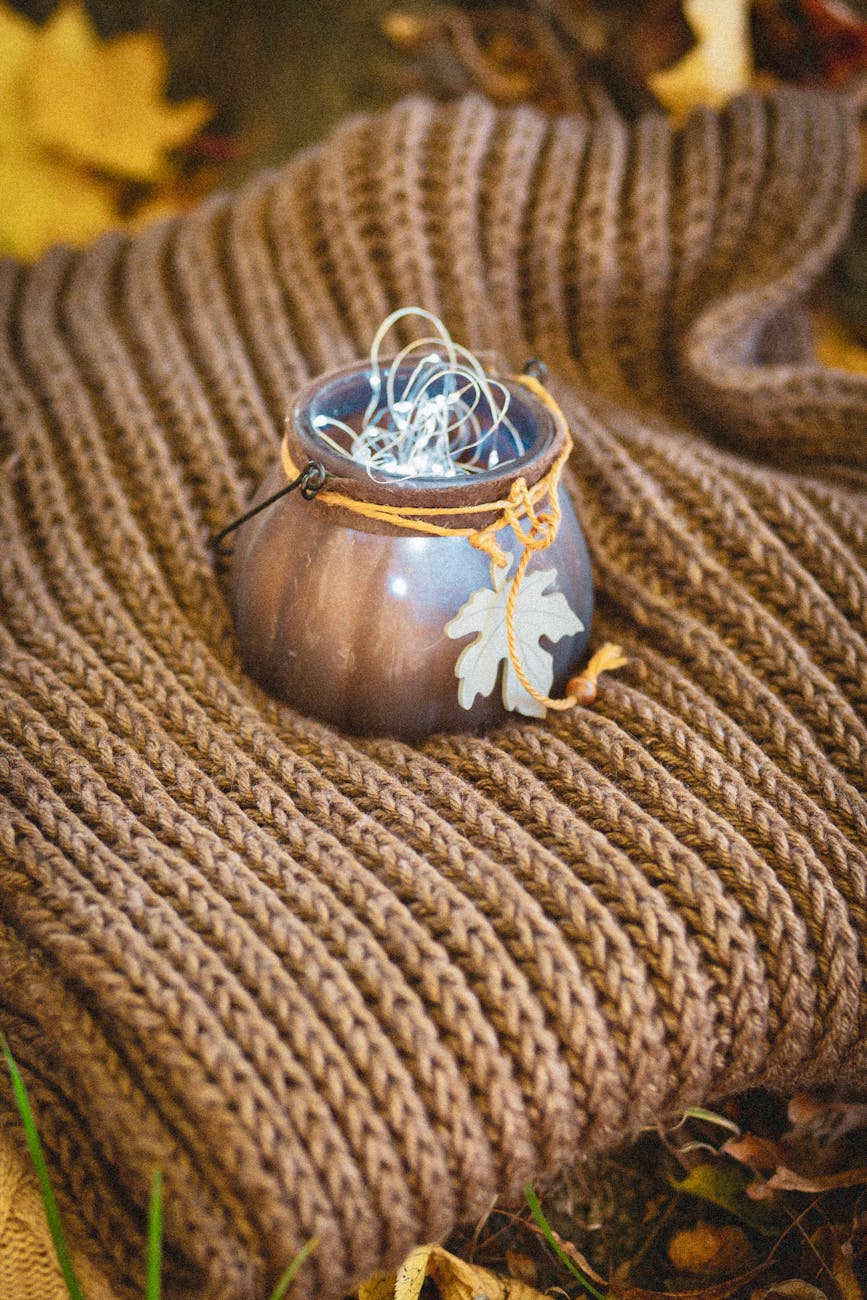
Engineering Atmosphere: The Science of Cozy Autumn Decor
When we approach the shift into autumn, the objective of interior design pivots from seasonal aesthetics to sensory engineering. We are no longer simply decorating a room; we are actively manipulating environmental variables to elicit specific psychological and physiological responses. This process demands an understanding of how tactile input and light spectrums directly influence our subjective perception of comfort. The goal of achieving true **cozy autumn decor** is not mere surface dressing, but the intentional calibration of an atmosphere conducive to relaxation and well-being.
We observe that the human brain processes visual and tactile data as immediate cues for safety and security. As the exterior environment cools and darkens, our internal systems seek compensatory sensory input. Soft textures and warm illumination act as direct signals to the nervous system that the environment is secure and conducive to rest. This mechanism explains why the integration of knit throws and amber lighting moves beyond mere trend adherence; it becomes a functional strategy for thermal and emotional regulation within the dwelling space.
The Tactile Mechanism: Knit Throws as Thermal Regulators
Knit throws operate on a fundamental principle of thermal physics. Fabric, particularly those with high loft and complex weave structures, acts as an insulating layer. We are not just adding a layer of fabric; we are managing the boundary layer between the interior space and the ambient coldness outside. The air trapped within the fibers resists convective heat loss, creating a localized zone of perceived warmth that is significantly more effective than relying solely on HVAC adjustments.
The specific mechanism involves surface area manipulation. A thick knit throw increases the thermal mass near the body, slowing the rate at which radiant heat escapes into the cooler surrounding air. When selecting materials, the yarn weight and fiber composition dictate the effectiveness. Wool and alpaca fibers exhibit superior thermal retention properties due to their crimp structure, which traps air pockets efficiently. In practice, we see that heavier gauge knits provide a greater insulating effect per square foot than lighter ones, directly impacting the perceived coziness of the space.
To build an enveloping environment, the selection process demands consideration for material interplay. We should analyze how different textiles interact with each other to maximize comfort. Understanding the principles behind mixing fabrics is crucial for achieving a layered, sophisticated look rather than a cluttered one. When pairing textures—a chunky wool throw against a soft linen backdrop—the resulting visual depth reinforces the tactile experience. Exploring techniques for mixing fabrics demonstrates how textural contrast enhances the overall sensory richness of the space. For instance, studying methods for combining different weave patterns allows designers to intentionally layer comfort, creating zones of distinct coziness within a single area.
Illuminating the Space: Amber Light and Circadian Rhythms
The choice of lighting directly engages our circadian system, which governs our natural sleep-wake cycles and mood regulation. As daylight diminishes during autumn, the body naturally increases production of melatonin, the hormone responsible for drowsiness and rest. Introducing warmer light wavelengths directly counteracts this trend by signaling to the brain that the time for nocturnal rest is approaching.
Amber and deep orange tones possess a lower correlated color temperature (CCT) than cooler, blue-toned white lights. This spectral shift reduces the intensity of stimulating blue wavelengths, allowing melatonin production to proceed unimpeded. We observe that this chromatic adjustment shifts the visual environment from an alert state to a relaxed state. This effect is deeply rooted in evolutionary biology; warm light mimics the gentle glow of a setting sun or a fire, triggering primal associations with safety and tranquility.
Implementing strategic amber lighting requires more than simply swapping out bulbs; it involves managing the diffusion and intensity of light sources. Harsh, direct illumination disrupts the desired ambiance. Therefore, we must focus on indirect lighting—sources that cast light upwards onto walls or create soft pools of illumination rather than flooding the room with stark brightness. This technique ensures that the warm glow saturates the space without causing visual fatigue. The interplay between the physical warmth provided by textiles and the psychological warmth delivered by the lighting creates a synergistic effect, establishing an undeniable atmosphere of profound coziness.
Curating the Aesthetic: Layering for Depth and Narrative
Achieving the desired aesthetic involves layering elements that tell a cohesive story about the season. **Cozy autumn decor** is not achieved by placing a single large item but by orchestrating multiple sensory inputs simultaneously. This requires understanding visual hierarchy and textural juxtaposition. We are constructing an experience, where every element contributes to the overall narrative of autumnal warmth.
Consider how visual weight affects perception. Heavy, dense elements—like thick knit throws—anchor a space and provide physical reassurance. Lighter, airier elements—such as sheer curtains or woven rugs—introduce necessary visual breathing room. The juxtaposition between these opposing densities prevents the room from feeling heavy or suffocating.
We see this layering principle applied across various decorative choices. For example, incorporating natural textures grounds the design. Natural fibers inherently carry an organic warmth that synthetic materials often lack. When integrating elements like macrame wall hangings, for instance, we introduce intricate patterns that add visual complexity without demanding high energy from the viewer’s processing centers. This introduces a tactile softness to the vertical plane of the room.
The overall effect stems from this deliberate layering process. We are not simply decorating with objects; we are installing sensory anchors. The texture of the throw invites touch, the glow of the light invites repose, and the visual arrangement invites contemplation. This holistic approach ensures that the space functions as a true sanctuary, an optimized environment for unwinding as the external world transitions into cooler months.
Tags: autumn decor, cozy living, knit throws, amber lighting, fall decorating, home ambiance, seasonal decor
Featured Image by olga Volkovitskaia on Pexels.