
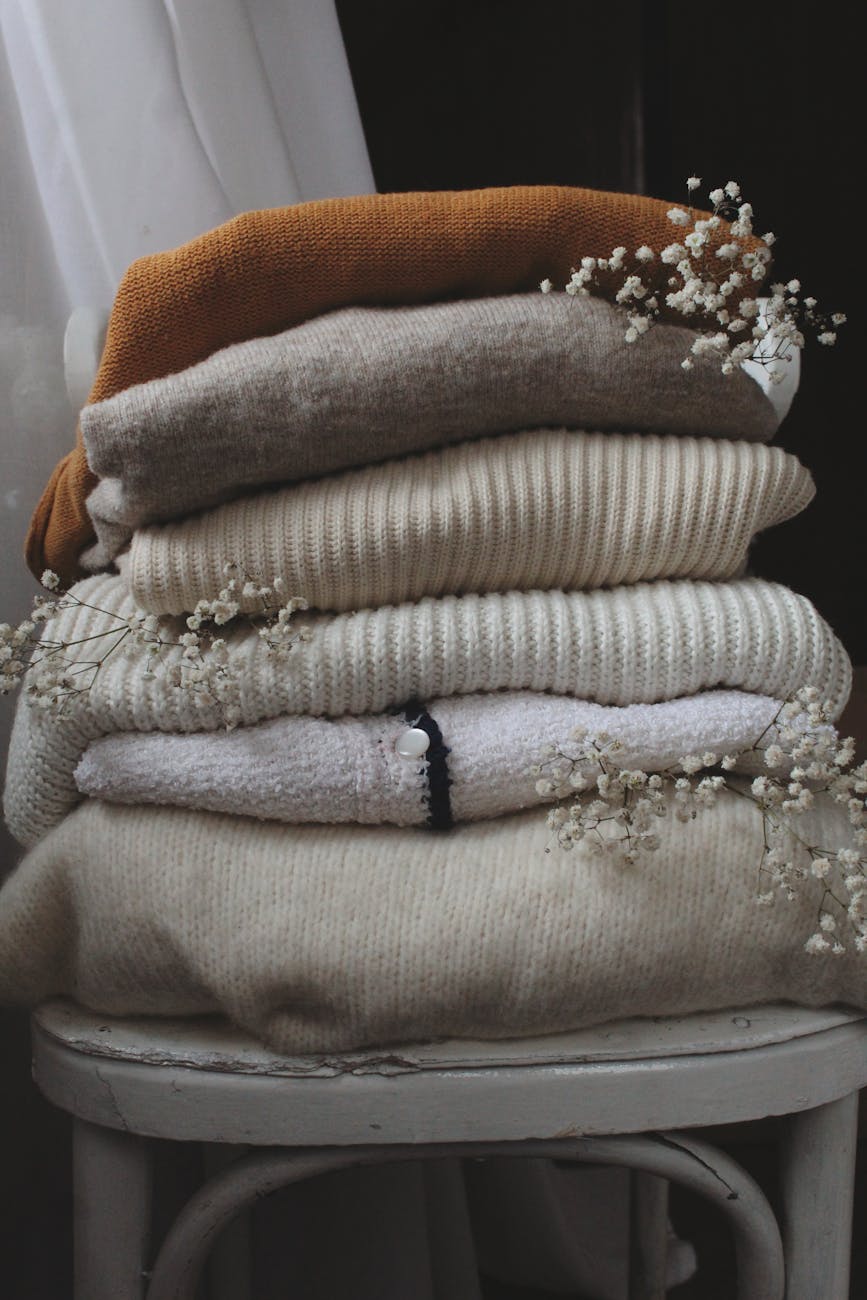
The Science of Tactility: Why Layering Defines True Home Comfort
We often approach interior design as a matter of selecting individual pieces—a sofa here, a rug there, a lamp placed centrally. However, true atmospheric coziness emerges not from singular objects but from the complex interplay between different tactile surfaces. Mastering **layering home decor** is fundamentally understanding how different textures interact with light, shadow, and the human sense of touch. We observe that a single smooth surface offers visual appeal, but a layered composition engages the sensory system much more profoundly.
This process moves beyond mere aesthetics; it involves manipulating visual depth and perceived warmth through material contrast. Think about the difference between placing a flat cotton pillow on a smooth linen sheet versus draping a chunky knit throw over both. The latter creates an immediate sense of enveloping softness, a physical invitation to settle in. This manipulation of surface quality is the core mechanism behind achieving that deeply cozy feeling we seek in our living spaces.
Deconstructing Texture: Material Mechanics in Decor
Every textile possesses inherent properties that dictate how it functions within a decorative scheme. We are not just choosing colors; we are selecting material densities, fiber structures, and surface weaves. These physical attributes determine the visual weight and the tactile response of the space.
Knits, for instance, function by creating intentional air pockets and dimensional shifts. The irregular loops in a cable knit, for example, trap light unevenly, producing dynamic shadows that prevent a flat, sterile appearance. Velvet operates on a different principle; its dense pile absorbs light deeply, resulting in rich, saturated color fields that seem to radiate warmth rather than reflect it sharply. Understanding this material mechanics allows us to predict how an item will visually anchor a room when placed atop other elements.
When we intentionally layer these contrasting materials—say, pairing the matte texture of raw wool with the plushness of velvet—we create a rich visual hierarchy. The eye scans the surface, registering the transition between the rough and the smooth, the matte and the reflective. This complexity prevents visual fatigue; the environment becomes texturally stimulating rather than passively observed.
Establishing the Layering Strategy
The successful application of **layering home decor** relies on establishing a deliberate sequence for textural introduction. We start with foundational layers that define the primary functional zone, and then introduce accent layers that provide sensory depth. This sequential approach ensures that each subsequent layer enhances, rather than competes with, what came before it.
Consider the foundational elements. A large area rug sets the stage by defining the primary floor plane. On top of this foundation, we introduce textiles that interact directly with seating surfaces. If you are curating a reading nook, placing a soft, densely woven blanket over an armchair immediately signals that this space is intended for rest. This initial placement dictates the mood before any decorative objects are introduced.
We observe that smaller items must then reinforce the theme established by the larger pieces. A small throw draped across the foot of the sofa acts as a tactile bridge between the large upholstery and the floor beneath it. The effect multiplies exponentially with each addition; an accumulation of soft elements transforms an arrangement into an immersive environment. When considering how to approach this, understanding the relationship between the item’s weight and its placement is crucial.
Integrating Specific Textures for Maximum Effect
The choice of specific materials directly impacts the perceived level of coziness. Natural fibers inherently carry a warmth that synthetic materials often struggle to replicate. Wool, cashmere, and thick cotton offer superior thermal and visual insulation. When we select these materials for layering, we are selecting objects that actively contribute to a feeling of physical security within the space.
For example, when selecting throws, the weight matters immensely. A heavier alpaca blend will drape with more substance, visually anchoring the area it covers. Lighter, airier knits introduce volume without visual bulk, perfect for adding an airy, light quality to a room. This distinction between visual weight and physical presence is key in high-level decorating practice. We need to analyze how these properties translate into the viewer’s experience of comfort.
When curating specific zones, such as creating a reading nook, this textural strategy becomes paramount. You want the surfaces surrounding you to invite lingering. Layering plush materials around a window seat or over an accent chair signals that this is a deliberate retreat from the outside world. The visual texture should encourage tactile interaction. For instance, focusing on soft textiles allows us to manipulate light exposure; draped velvet absorbs glare, creating intimate shadows perfect for reading.
Curating Spaces with Intentional Depth
The process of **layering home decor** moves from simple placement to sophisticated spatial choreography. It requires an analytical approach to how different planes—floor, seating, walls—are addressed by the textiles introduced. We must analyze the visual flow across these planes.
When setting up a focal point, such as a sofa, the layering should be intentional about creating depth around that anchor. Introducing textures at varying distances from the main furniture piece ensures the visual field is rich and engaging. This involves using different fiber weights to create visual interest. A smooth, cool surface can be juxtaposed against a deeply textured, warm one situated just inches away.
Consider how this layering affects specific functional areas. If you are focusing on creating an inviting corner for contemplation, selecting materials that feel soft under the hand is non-negotiable. This leads directly to focusing on quality in every textile chosen. You need textiles that behave as extensions of comfort, not just surface decorations. This consideration shifts the focus from decoration to inhabitation.
We see that this layered approach naturally guides the eye through the room, encouraging a slower, more contemplative viewing experience. The accumulated softness creates an atmosphere where one desires to settle down and remain awhile. This is the measurable outcome of mastering material interaction in interior design.
Tags: home decor, cozy living, texture layering, decorating tips, beginner decor, textile decor, cozy home
Featured Image by Ioana Motoc on Pexels.