
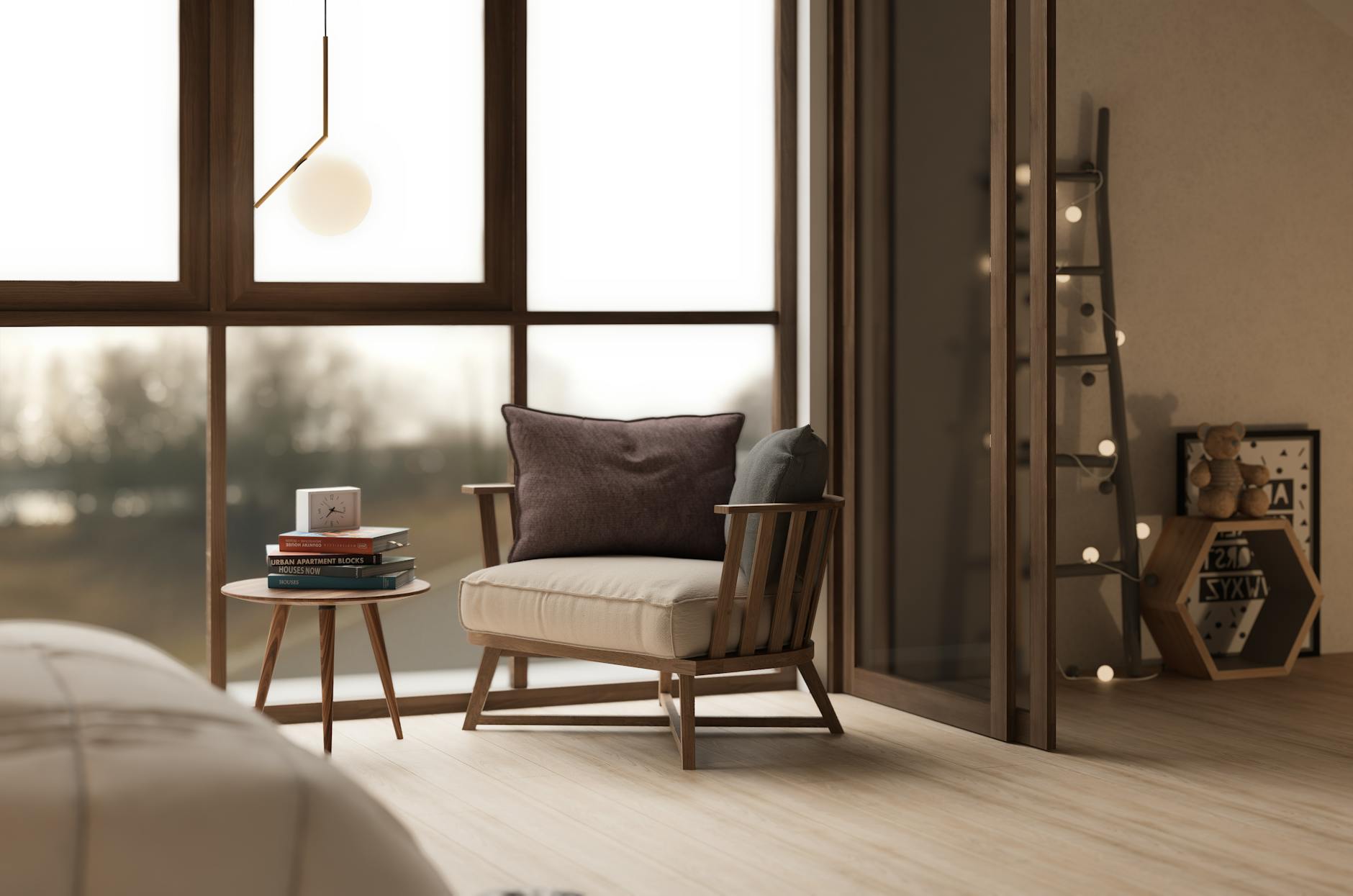
Crafting the Perfect Cozy Reading Corner
The goal of designing a cozy reading corner is not merely aesthetic; it is the engineering of an environment optimized for deep cognitive rest and sensory engagement. We are constructing a specific micro-climate where the psychological state shifts from active engagement to passive, restorative comfort. Observing successful designs suggests that this transformation relies on controlling three primary variables: light, texture, and acoustics. Ignoring any one variable results in a space that feels merely decorated rather than genuinely enveloping.
We begin by establishing the foundational geometry of the space. A reading corner needs an anchor point; this is typically a window seat, a deep armchair, or a carefully angled alcove. The physical placement dictates the flow of visual attention and the perceived intimacy of the nook. Think about where natural light enters throughout the day. Maximizing daylight exposure signals to the brain that it is time to relax, yet direct, harsh sunlight must be managed through strategic layering.
Optimizing Illumination for Relaxation
Light quality has a profound effect on mood regulation. We observe that the color temperature of the light directly correlates with circadian rhythm management. For reading, warm, amber-toned light, typically in the 2700K to 3000K range, stimulates melatonin production, preparing the body for sleep and deep focus. Avoid cool, blue-toned lighting, which signals alertness and inhibits relaxation.
Layering your light sources is a crucial technique here. Relying on a single overhead fixture creates unflattering shadows that disrupt the intended atmosphere. Instead, deploy multiple, lower-intensity sources. A strategically placed floor lamp provides focused illumination directly onto the reading material, while ambient background lighting—perhaps soft sconces or dimmable lamps—defines the perimeter of the space without creating glare. This layered approach allows the user to modulate the intensity based on their immediate need, moving seamlessly between bright focus and deep shadow.
The Mechanics of Textural Comfort
Texture is perhaps the most tactile component in engineering coziness. A room can be visually appealing, but if the surfaces feel cold or unforgiving, the sensory experience fails. We must prioritize materials that invite touch. Think about the seating itself; deep, overstuffed cushions provide an immediate sense of physical security. The fabric choices must enhance this sensation.
Layering fabrics for ultimate cozy ambiance involves combining different tactile elements. Introducing a chunky knit throw blanket over a smooth linen cushion creates necessary friction and visual depth. This deliberate interplay between soft, yielding materials and slightly rougher textures engages the somatosensory system effectively. When designing your space, consider how these textiles interact with the surrounding objects; they should invite lingering. For instance, incorporating richly woven wools or soft velvet introduces an organic warmth that synthetic materials simply cannot replicate. We see this principle applied across different zones, whether you are creating a Hygge Bathroom Reading Nook: Cozy Decor Ideas (https://decorandliving.com/hygge-bathroom-reading-nook/) or designing the main reading space itself.
Selecting Furniture with Intentionality
The furniture selection dictates the functional success of the cozy reading corner. A poorly scaled piece of furniture will immediately undermine the intended sense of enclosure. The chair must be substantial enough to feel like an invitation to settle in, not a temporary perch. Avoid overly rigid or minimalist frames that lack visual softness. We look for curves and deep profiles that encourage bodily repose.
When assessing seating, consider the depth. A seat that allows one to sink in fully promotes a state of unconscious ease. The arrangement should facilitate an easy posture for extended periods; this requires appropriate lumbar support and sufficient surface area. You are not simply placing furniture; you are setting up a physical interaction with your environment. This process demands careful measurement and an understanding of human ergonomics within the design schema.
Acoustic Management for Deep Focus
Sound quality directly impacts the ability to achieve deep concentration. An echoic space introduces auditory distractions that actively fight against the goal of tranquility. In practice, hard surfaces like bare wood or glass reflect sound waves erratically, creating distracting reverberations.
To mitigate this, we must introduce sound-absorbing elements throughout the reading area. Soft furnishings act as excellent acoustic dampeners. Thick rugs on hard floors reduce footfall noise and absorb ambient reflections. Heavy curtains, even if they serve a visual purpose, significantly reduce airborne sound energy bouncing around the room. This process transforms sharp, intrusive noises into a muted, gentle background hum. Creating an acoustically controlled environment is non-negotiable for achieving true, uninterrupted immersion in a cozy reading corner.
Curating the Sensory Details
Beyond the core elements of light, texture, and sound, smaller details provide the final layer of personalization that solidifies the feeling of sanctuary. Introducing specific objects anchors the space in personal memory and comfort. This curation is about intentional placement rather than mere accumulation.
Consider the presence of a warm beverage resting on a nearby side table; this small detail signals immediate hospitality. A well-chosen book, perhaps one with a worn, inviting cover, serves as an immediate invitation to narrative immersion. Displaying items that relate to sensory pleasure reinforces the intended mood. This intentional staging elevates the space from merely functional to profoundly experiential. We are creating a deliberate ritual space.
The integration of these elements—controlled light, rich textiles, sound absorption, and curated objects—allows the user to actively construct their desired state of relaxation. Designing a cozy reading corner is less about purchasing decor items and more about mastering environmental control mechanisms. When you implement these principles, you are engineering an atmosphere where rest becomes an accessible reality. Start small; adjust the lighting first. Then layer in textiles. Finally, listen to the silence.
Tags: reading nook, cozy decor, home decor, reading corner, small space design, cozy home
Featured Image by The Ghazi on Pexels.