
The Sensory Science of Bedroom Textiles
We often associate the bedroom primarily with sleep, yet the environment we inhabit directly modulates our physiological state. This is precisely where the intentional selection and arrangement of **bedroom textiles** move beyond mere aesthetic choice into functional sensory engineering. We are not simply covering surfaces; we are manipulating tactile input that influences mood regulation and perceived comfort. Observe how different fibers interact with the skin; wool provides insulation and moisture wicking capabilities unmatched by synthetics in certain contexts, while linen introduces a breathable texture that regulates ambient temperature fluctuations effectively throughout the diurnal cycle.
The mechanism at play involves haptic feedback. When we engage our hands or body against a surface, the density, weave, and nap of the fabric communicate information to the central nervous system. A high-pile velvet, for instance, traps light and creates a sense of enveloping luxury, triggering a psychological association with indulgence and warmth, whereas a tightly woven cotton offers a crisp, breathable sensation ideal for warmer sleeping environments. Understanding this tactile response allows us to engineer an atmosphere where physical comfort is intrinsically linked to visual appeal.
Deconstructing Texture: The Role of Fiber and Weave
The material composition dictates the functional outcome. Analyzing textiles requires looking past surface appearance to examine the underlying construction. Natural fibers, like organic cotton, introduce natural breathability; they manage moisture vapor transmission far more effectively than many synthetic blends. When considering room layering, this breathability is crucial for maintaining thermal equilibrium without relying solely on mechanical heating systems.
Synthetic materials perform differently under stress. Polyester and acrylic fibers possess excellent durability and resistance to wear, which is beneficial in high-traffic areas, but their thermal performance can be less nuanced. We observe that blending these with natural materials creates a synergistic effect: the structure provides longevity while the fiber composition ensures sensory comfort. This conscious material selection forms the bedrock of creating an immersive cozy space.
Strategic Application of Bedroom Textiles for Ambiance
Moving beyond the functional necessity of bedding, textiles offer potent tools for spatial definition and atmospheric layering. Think about how these elements define zones within a larger room. A heavy, textured throw draped across a sofa introduces an immediate focal point, drawing the eye and anchoring the seating area with perceived weight. This principle applies directly to the bedroom; introducing varied textures prevents the space from feeling monolithic or flat.
We see this effect amplified when considering spatial constraints. For those living in smaller footprints, utilizing textiles strategically becomes essential for maximizing perceived volume. Imagine using a richly patterned tapestry on a feature wall instead of relying on heavy, bulky furniture pieces. This technique manipulates visual depth without adding physical mass. When designing for small spaces, the choice of textile pattern and drape directly influences how expansive the area feels. Consider exploring how utilizing textiles can redefine boundaries in tight environments, perhaps by integrating soft elements into multi-functional furniture hacks for cozy micro-apartments.
Layering Textures for Depth and Richness
The art of layering is paramount when designing a truly sophisticated environment. A single sheet or duvet, no matter how luxurious, lacks the dimensional complexity that signals true coziness. We build ambiance by introducing contrasting textures at different planes—the foundation layer, the middle layer, and the surface accent. This stratification engages multiple sensory pathways simultaneously.
For example, placing a chunky knit throw over crisp, smooth linen sheets creates immediate visual tension and textural interest. The juxtaposition of rough versus smooth forces the eye to register the differences, enhancing the perceived richness of the entire arrangement. This intentional contrast elevates the space from merely decorated to genuinely inviting. When layering rugs in a living room, we see this principle in action; mastering the interplay between different fiber densities allows us to control visual flow and acoustic dampening simultaneously. Applying this understanding to the bedroom means treating every textile as an architectural element contributing to the overall tactile narrative.
Beyond Bedding: Expanding Textile Influence
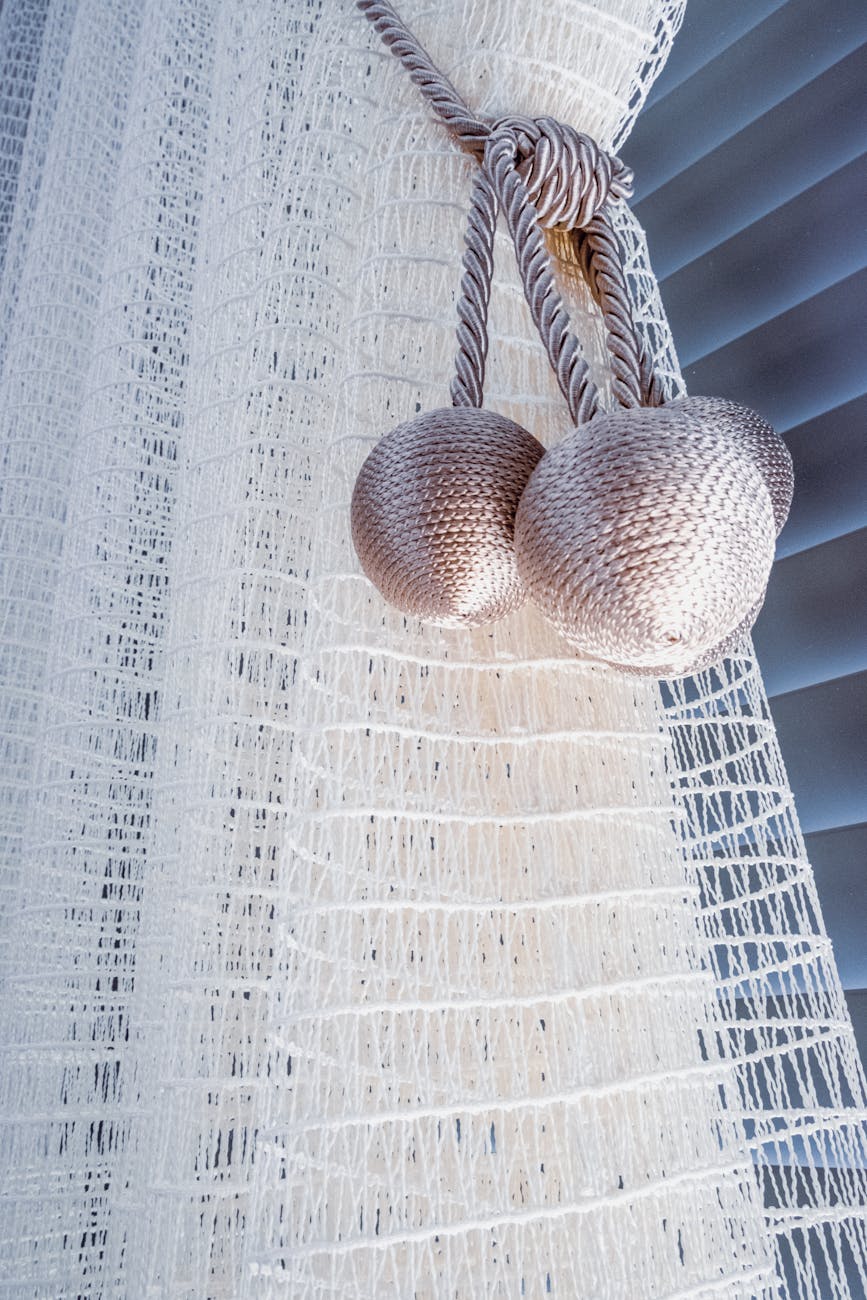
The influence of textiles extends far beyond the sleeping area. We can deploy these sensory tools throughout the room to enhance its holistic atmosphere. Consider window treatments; heavy, flowing drapes filter harsh external light, softening the incoming illumination and establishing an immediate sense of enclosure and sanctuary. The way light interacts with the fabric surface changes the entire mood of the space, shifting it from stark to soft almost instantly.
Pillows are another critical vector for this influence. Varying the size and shape of accent pillows introduces dynamic forms that break up flat planes. Selecting pillows made from materials like boucle or raw silk adds an unexpected textural focal point against a backdrop of solid-colored walls. This small adjustment signals intentionality; it communicates that every element has been considered in constructing the desired sensory experience.
Maintenance as Part of the Aesthetic Process
An important aspect often overlooked is the longevity and upkeep associated with these layered surfaces. High-quality textiles demand specific care to maintain their tactile integrity. Washing routines must be adjusted based on fiber type; aggressive washing can degrade the loft of natural fibers or cause pilling in synthetic blends if the agitation is too severe. We observe that proper care ensures the texture remains soft and inviting over time.
The choice of materials directly impacts maintenance requirements. While some fabrics are inherently durable, others require specialized handling to preserve their intended sensory quality. Understanding these material specifications informs the long-term investment in creating a truly cozy habitat. The process of caring for these items becomes another layer of intentional living within the decorated space.
Tags: bedroom textiles, home decor, textile design, cozy bedroom, bedroom style, fabric decor, texture in design
Featured Image by Beyza Kılıçdere on Pexels.