
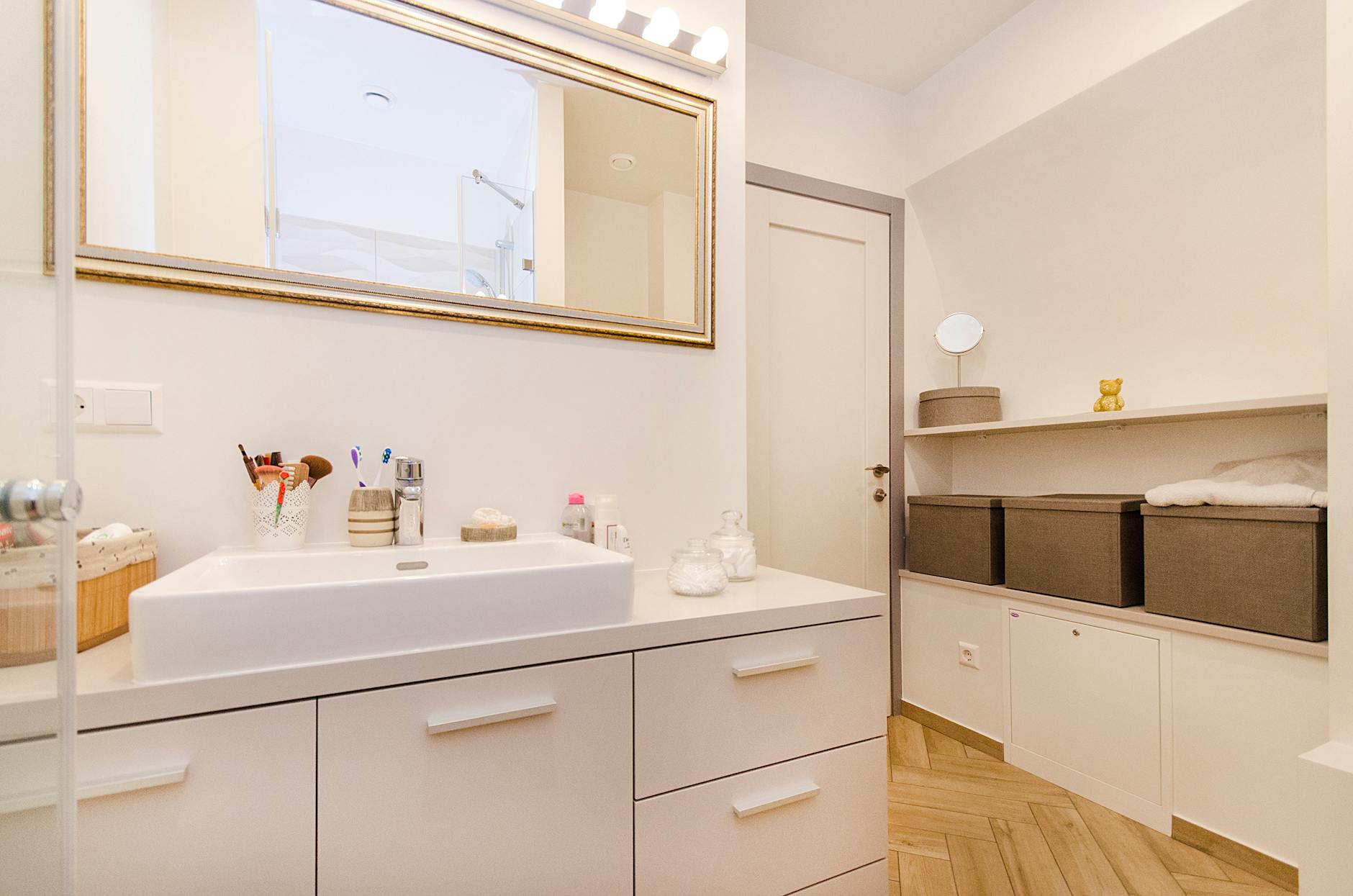
Mastering Bathroom Storage: Transforming Clutter into Sanctuary
The bathroom, often perceived as a purely functional space, presents a unique challenge when it comes to maximizing usable surface area. We observe from the data that insufficient storage leads to visual clutter, which directly impacts perceived tranquility and overall home aesthetic. Effective **bathroom storage ideas** are not merely about placing items; they involve engineering a system where every object has a designated, accessible location. This transformation moves the space from being a repository of miscellaneous items to a curated sanctuary.
Analyzing Spatial Constraints in Bathrooms
Before implementing any organizational strategy, one must first conduct a precise spatial analysis. The geometry of a bathroom—the depth of vanities, the height of shelving, the placement of plumbing fixtures—dictates what types of storage solutions are viable. A standard, deep vanity often provides substantial linear space, yet vertical space is frequently underutilized. We need to account for the functional demands: where do towels need to be accessible? Where must toiletries reside?
Consider the typical workflow within a bathroom. Items are accessed sequentially during morning routines or evening wind-downs. Therefore, the most efficient system places frequently used items at the point of access, minimizing unnecessary reaching and searching. This requires analyzing the flow of use across different zones: counter space for immediate access, drawers for folded textiles, and vertical space for bulkier items. Ignoring these physical constraints results in solutions that are aesthetically pleasing but functionally inadequate.
Drawer and Cabinet Optimization Techniques
Drawers offer a superior mechanism for organizing smaller, irregularly shaped items compared to open shelving. When optimizing drawer space, the key is implementing modular dividers or custom inserts. These tools dictate the boundaries within which different product categories reside, preventing items from shifting and creating chaotic piles. For example, utilizing tiered drawer organizers allows for vertical stratification of items, increasing the density of storage within a limited horizontal footprint.
We see significant gains when moving away from simple stacking toward compartmentalization. When organizing makeup, skincare, or dental supplies, using clear acrylic dividers ensures that visual scanning is instantaneous. This reduces cognitive load significantly. The result is that the act of accessing an item becomes streamlined; you do not need to excavate the drawer contents.
Vertical Real Estate: Utilizing Wall Space Effectively
When horizontal space proves insufficient, the vertical dimension must be engaged immediately. Walls represent untapped potential for storage when approached with strategic planning. Installing floating shelves provides a non-intrusive method for displaying decor while simultaneously adding functional capacity above the vanity or toilet area. The depth of these shelves should align with the intended use; shallower shelves are better suited for decorative items, whereas deeper ones can accommodate bulkier towels or bath mats.
For areas where traditional cabinetry is absent, consider custom-built vertical shelving units. These systems allow for bespoke sizing that perfectly matches the room’s dimensions. This method transforms awkward wall space into intentional display zones. If you are looking to introduce natural textures, integrating wood accents onto these vertical structures creates a rich interplay between utility and ambiance; think of how natural wood complements rustic bathroom decor when paired with stone accents.
Creative Solutions for Shower and Linen Storage
The shower area presents unique challenges due to humidity and the need for waterproof solutions. Standard shelving often deteriorates quickly in this environment. Therefore, specialized solutions must be employed here. Over-the-door hooks or recessed niche organizers are highly effective mechanisms for hanging necessities like robes or bath towels, keeping them off the floor and easily accessible.
For linen storage, maximizing the use of vertical space is paramount. Instead of letting linens pile up on a hamper, consider utilizing narrow, vertical storage bins that slide between fixtures. These slim containers manage bulk without consuming excessive floor space. Observing how efficiently these systems operate reveals that consistent, uniform sizing across all units creates a harmonious visual outcome.
Rethinking Countertop Organization
The vanity countertop is prime real estate but demands careful management. The goal here is to maintain an uncluttered surface while ensuring necessary items remain within arm’s reach. Implementing tiered trays or tiered organizers allows for the vertical stacking of smaller items, effectively utilizing the flat plane without sacrificing accessibility. This strategy manages visual density exceptionally well.
We also observe that the material choice influences storage efficacy. Choosing containers made from durable, water-resistant materials ensures longevity in a damp environment. When selecting organizational tools, assess the material’s ability to withstand moisture and temperature fluctuations; this technical consideration is often overlooked but directly affects long-term utility.
Integrating Aesthetic Principles with Functionality
The transition from mere storage to a beautiful sanctuary involves integrating aesthetic choices into the functional framework. Organization should support the desired style. A minimalist aesthetic demands concealed storage solutions, favoring built-in cabinetry and opaque containers. A cozy, rustic aesthetic benefits from exposed wood elements and natural textures in the organization materials themselves.
When selecting textiles for towels or bath mats, choosing coordinating colors establishes an immediate sense of calm. This approach connects the functional necessity of drying and covering with the overarching theme of home design. The visual coherence achieved through intentional material selection elevates the entire experience of using the bathroom. You can even extend this principle to other areas; consider how organization systems influence the feeling you derive from spaces like a bedroom, perhaps by implementing principles seen in designing cozy reading nooks for your bedroom.
The Psychological Impact of Organized Spaces
The true benefit of mastering **bathroom storage ideas** extends beyond physical tidiness; it impacts psychological well-being. Clutter triggers stress responses. When surfaces are clear and items are logically housed, the visual field relaxes. This reduction in sensory overload allows the mind to focus on restorative activities rather than managing disorder. Establishing a system means establishing order in one’s personal environment.
This systematic approach creates a sense of control. When you know precisely where everything is, the bathroom ceases to be a source of daily friction. The resulting environment fosters a feeling of calm and intentional living. We see that investing time in thoughtful organization yields dividends in mental peace. It transforms a necessary chore into an act of self-care.
Tags: bathroom organization, small space decor, bathroom storage, vanity organization, home decor tips, bathroom hacks
Featured Image by Karolina K on Pexels.