Mastering the Art of Autumn Home Decor Through Natural Textures
The shift into autumn presents a distinct opportunity to recalibrate interior aesthetics by prioritizing tactile comfort and organic materials. We observe a consistent consumer preference for spaces that evoke warmth and groundedness as the external environment cools and light diminishes. This trend moves beyond simple seasonal color palettes; it involves a deep engagement with material science, selecting textiles not just for their visual appeal but for their inherent capacity to modulate thermal comfort and psychological well-being. Bringing these principles into the realm of **Autumn home decor** requires an understanding of how natural fibers interact with ambient light and indoor air quality.
The Mechanism of Texture: Why Natural Fibers Dominate Seasonal Styling
The choice of material dictates the sensory experience of a room. Wool, linen, and burlap are not merely decorative; they function as environmental regulators. When we examine these materials under the specific conditions of late autumn—cooler temperatures and lower natural light penetration—their physical properties become functionally significant. Wool, for example, possesses exceptional thermal retention capabilities due to its crimped, fibrous structure, trapping air pockets that create insulation against external cold. This mechanism directly translates into a perceived sense of coziness when draped over furniture or used in layered textiles.
Linen offers a different performance profile. Its visible texture and slightly porous nature allow for a softer, diffused light reflection compared to slicker synthetics. In practice, using linen allows light to filter through the fabric in a way that softens harsh shadows, creating an atmosphere conducive to relaxation. Burlap introduces a rustic, matte texture that anchors the space visually, providing a necessary counterbalance to the softer textures of wool and linen. Understanding this material interplay is key to executing sophisticated **Autumn home decor**.
Curating Textiles for Optimal Sensory Experience
Selecting textiles involves analyzing their density, weave structure, and fiber content to predict their performance in a changing environment. We must move beyond surface appearance and assess the functional outcome. A heavy wool throw provides superior insulation; this physical mass directly correlates with a psychological feeling of security and warmth when sitting within the space. Conversely, lighter linen blends excel when the goal is diffused light management during shorter days.
When arranging these elements, consider the scale. Oversized throws signal abundance and invitation. They act as tangible anchors in the visual field, drawing the eye and defining zones within a larger room. Smaller accent pillows, woven from textured wool or linen, introduce necessary textural complexity without overwhelming the visual space. We see that layering is an active process of creating depth; each subsequent layer adds a new dimension to the tactile narrative of the room. If you are focusing on creating intimate reading spaces, understanding this layering mechanism becomes even more critical when designing areas like Curating Your Perfect Reading Nook: Cozy Living Room Corners (https://decorandliving.com/curating-reading-nook-decor/).
Integrating Farmhouse Aesthetics with Natural Elements
The farmhouse aesthetic relies on a foundation of rustic simplicity, which naturally harmonizes with the organic nature of natural textiles. This style favors unpretentious, earthy tones—creams, deep browns, muted oranges, and rich tans—allowing the texture of the materials to carry the primary decorative weight rather than overly saturated color schemes. The appeal lies in the perceived authenticity of the materials themselves.
Burlap, with its characteristic rough weave, immediately establishes that grounded, rustic tone. It serves as an excellent anchor point against smoother surfaces like painted wood or polished stone. Wool throws introduce depth and undeniable softness, injecting the necessary coziness that softens the hard lines often found in traditional farmhouse architecture. We see this synergy when juxtaposing raw texture with clean, simple silhouettes. This approach allows the **Autumn home decor** to feel intentional rather than merely decorative.
Material Deep Dive: Analyzing Fiber Performance
To elevate the concept from surface-level styling to genuine design strategy, we must analyze the specific performance characteristics of each material in a seasonal context.
Wool: The Thermoregulatory Champion
Wool’s efficacy stems from its natural ability to manage temperature fluctuations effectively. The lanolin content and the air trapped within its complex fiber structure provide superior insulation, minimizing heat loss when draped over seating or used as window treatments. In practice, utilizing high-quality wool blends ensures longevity and consistent thermal performance throughout the autumn season. This material selection directly addresses the need for coziness by actively managing the room’s microclimate.
Linen: The Light Modulator
Linen is characterized by its slubby texture and excellent breathability. Its weave allows air to circulate freely, which aids in temperature regulation, making it perfect for spaces where airflow is desired alongside visual softness. Observing how linen interacts with low autumn light reveals a diffusion effect; it scatters incoming photons gently, preventing glare while maintaining an airy, relaxed atmosphere.
Burlap: The Visual Anchor
Burlap functions primarily as a textural accent and a grounding element. Its coarse texture provides a strong visual contrast against the softness of wool or linen. It introduces the essential rustic component that defines the farmhouse style, providing visual weight to corners or accent walls without introducing overly bright color saturation.
Designing for Transitional Comfort and Atmosphere
The goal when designing for this season is to create transitional comfort—a space that invites lingering while offering physical reassurance against the encroaching chill. This involves creating distinct zones of tactile experience within the room. One area might feature heavy, deeply textured wool blankets layered over a sofa for maximum enveloping warmth. Another area might utilize lighter linen drapes near a window to allow soft light transmission and an airy feel.
Consider how textiles influence specific activities. A cozy corner designed for reflection benefits immensely from soft surfaces that encourage settling in. You can design these zones intentionally, perhaps by grouping textiles around a reading station, ensuring the materials support concentration. This intentional zoning allows you to manipulate the perceived temperature and mood of different areas simultaneously. If you are planning a more immersive seasonal shift, exploring concepts like Winter Wonderland Decor: DIY Icy & Frosty Ambiance (https://decorandliving.com/winter-wonderland-decor-diy/) demonstrates how material choices can establish a complete atmospheric narrative.
Executing the Autumn Harvest Look with Intent
Achieving a cohesive look requires disciplined application of these textural principles across all surfaces. Start by establishing an earthy foundation using matte wall colors and natural wood tones. Then, introduce your textiles as strategic focal points. Place heavy wool throws over armchairs to immediately signal warmth. Drape linen over window treatments to soften the incoming daylight. Use burlap strategically for accents, perhaps on storage baskets or accent pillows, introducing that necessary rustic grit.
We see that success in this domain is not about accumulating items but about understanding material physics and sensory response. When you select a textile, ask yourself: how will this fiber perform against the autumn air? How does its texture influence the light entering the space? By approaching **Autumn home decor** as an exercise in material analysis rather than mere styling, you construct spaces that are genuinely cozy, deeply layered, and enduringly beautiful. This analytical approach ensures that every element contributes to a unified feeling of harvest warmth and rustic elegance.
Tags: autumn home decor, farmhouse style, natural textiles, cozy decor, fall decorating, rustic home, wool decor
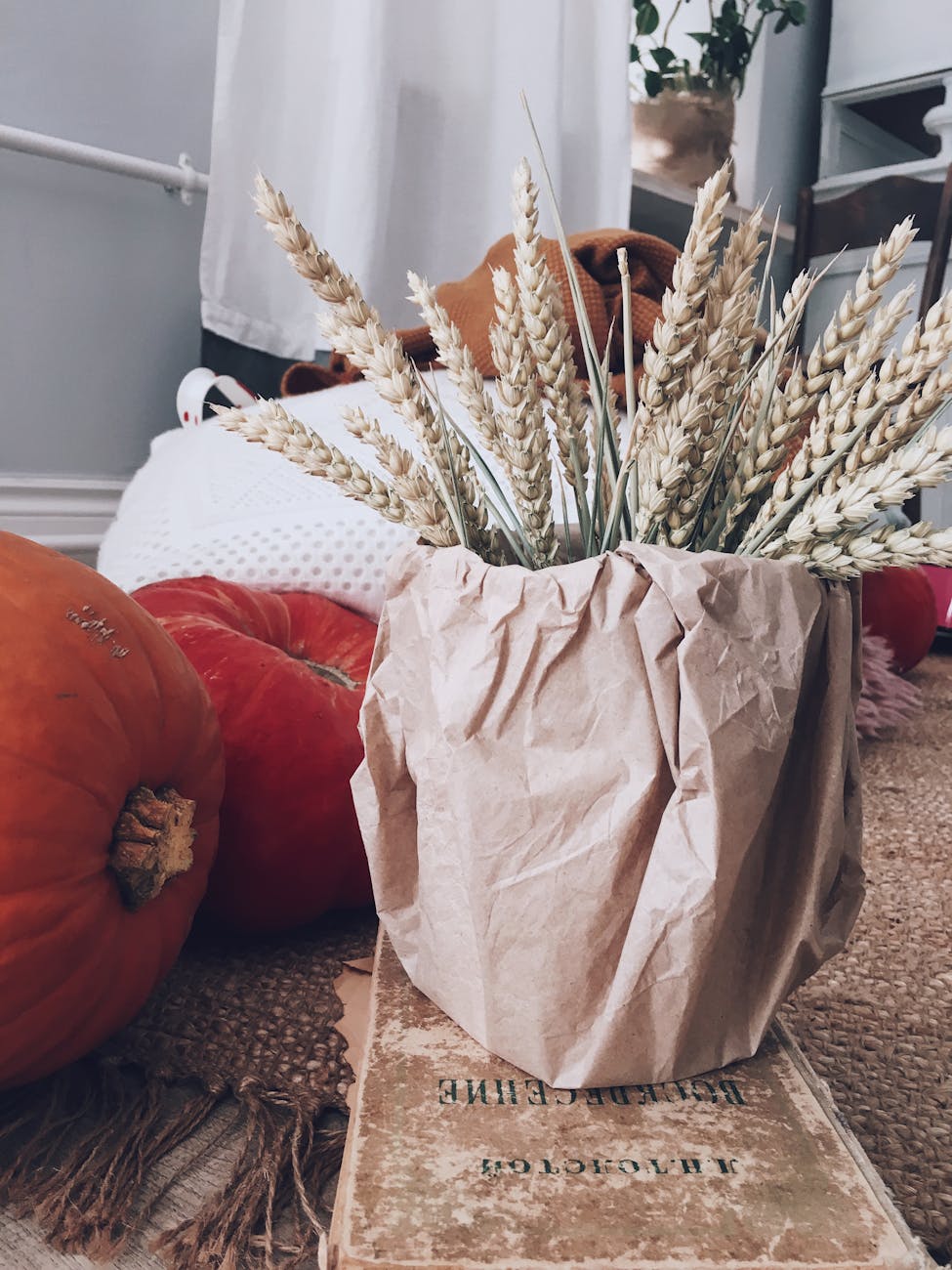
Featured Image by Анжелика Аракелян on Pexels.