
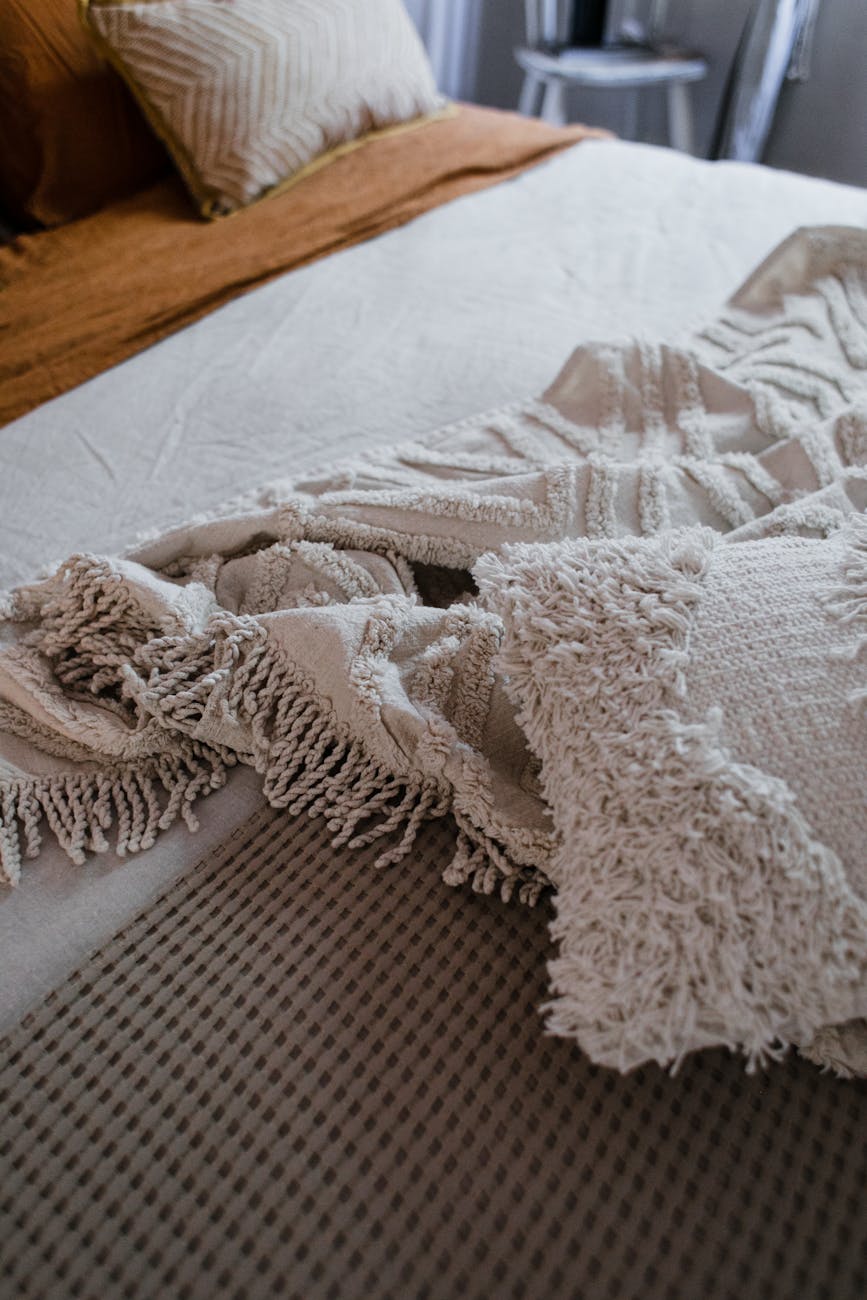
Mastering Thermal Regulation Through Cozy Bedding Layers
The objective when designing a bedroom environment is not merely aesthetic appeal; it is achieving optimal thermal regulation while maximizing sensory comfort. This requires an understanding of how textiles interact with body temperature, air circulation, and seasonal demands. We observe that the concept of cozy bedding layers transcends simple fluffiness; it becomes a calculated system for managing heat transfer across different environmental states.
When assessing bedding for seasonal transition, we must analyze insulation values. A single layer might feel adequate in moderate conditions, but true coziness arises from strategic layering designed to trap air pockets efficiently. This trapped air acts as an insulator, mitigating the conductive loss of body heat into the surrounding environment. Consider the mechanism: denser textiles, like high-quality wool or heavy-grade cotton, possess greater thermal resistance per unit of thickness than lighter, fluffier materials. We need to move beyond surface perception and examine the material’s actual insulating capacity.
The Science of Thermal Insulation in Bedding
The effectiveness of bedding hinges on controlling convection and conduction. Conduction occurs when heat moves directly through the material, and convection involves heat transfer via the movement of fluids—in this case, trapped air within the layers. Effective layering manipulates both processes simultaneously. A poorly layered setup allows cold air to circulate freely beneath the covers, creating thermal bridges where heat escapes rapidly.
To counteract this inefficiency, we must focus on the interface between the skin and the bedding. Softness alone does not equate to warmth. We need materials that manage moisture vapor transmission effectively. When sweat or body heat condenses against a damp layer, the resulting chilling effect negates the intended comfort. Therefore, selecting fabrics with appropriate breathability, such as linen blends or organic cottons, allows moisture to evaporate efficiently, maintaining a stable thermal equilibrium.
Seasonal Adjustments: Layering for Extreme Temperatures
The requirements for cozy bedding layers shift dramatically depending on the ambient temperature outside the home. In colder months, the strategy pivots toward maximizing insulation density. We see an increase in the necessity of multi-layered systems. This involves utilizing a heavier foundation layer, such as a thick duvet or quilt, followed by a lighter top layer that provides surface comfort without compromising core warmth.
For deep winter settings, we recommend stacking materials with varying loft levels to create multiple insulating air layers. A heavy knit blanket underneath a smooth, high-thread-count sheet establishes the necessary thermal barrier. This layering strategy directly impacts how efficiently heat remains within the sleeping space. When you layer effectively, you are not just adding material; you are engineering a microclimate optimized for rest.
When transitioning to warmer seasons, the objective changes from insulation to breathability and airflow management. The focus shifts to allowing heat to dissipate rather than trapping it rigidly. Lighter weaves and breathable fibers become paramount. We observe that overly dense layering in summer leads to overheating because the trapped air becomes an excessive thermal blanket, inhibiting natural convective cooling processes. Mastering this balance is key to sustainable coziness throughout the year.
Selecting Materials: The Textile Analysis
The choice of material dictates the performance profile of any bedding system. Analyzing the fiber composition reveals critical information about moisture wicking, thermal retention, and durability. Natural fibers offer inherent advantages in breathability and moisture management; however, their specific processing—such as weaving density or yarn thickness—determines the final insulating outcome.
For instance, high-quality wool offers superior insulation properties because its natural crimp traps air effectively, resisting heat transfer even when damp. Conversely, synthetic materials perform differently; while they can offer excellent resistance to moisture penetration, their ability to allow airflow requires careful consideration regarding breathability for sustained comfort. We must examine the weave structure. A tightly woven fabric creates a denser barrier, which is beneficial for insulation but potentially restrictive for airflow if not balanced by other layers.
We see a strong correlation between texture and perceived coziness. The tactile experience influences psychological comfort as much as physical warmth. Introducing varied textures prevents monotony while enhancing the sensory engagement of the space. This is why integrating different types of textiles into your setup enhances the overall atmosphere substantially, moving beyond simple functional warmth toward immersive coziness. We strongly suggest exploring how varying these elements contributes to creating truly layered, inviting spaces by examining techniques such as Layering Textures for Deeply Cozy Interiors.
Integrating Statement Pieces with Bedding Systems
The foundation of a cozy bedroom extends beyond the textiles themselves; it involves anchoring the visual experience. The bed functions as the focal point, and its surrounding elements should support the atmosphere you intend to create. When selecting large decorative elements, such as statement headboards, we must consider their interplay with the bedding configuration. A substantial headboard acts as a strong visual anchor, defining the sleeping area and adding architectural weight to the space.
The design choice for these anchors directly influences how the cozy bedding layers are perceived. A grand, upholstered statement headboard necessitates bedding that complements its scale; overly delicate or small bedding can appear visually overwhelmed by a massive backdrop. Conversely, pairing a bold structural element with rich, deep-toned cozy bedding layers creates an intentional, luxurious visual narrative. This interaction between fixed structure and soft textiles defines the room’s overall sense of curated comfort. Consider how different textile weights interact with large wall treatments, establishing a dynamic tension that elevates the entire design scheme. For deeper inspiration on setting this stage, review our ideas on Statement Headboards: Elevate Your Bedroom with Design.
Creating a Personalized Thermal Sanctuary
The final step in achieving ultimate coziness involves personalizing the layering system to individual thermal tolerances and lifestyle needs. Not every person requires the same level of insulation; some prefer crisp, minimal layers, while others seek deep, enveloping warmth. This necessitates an analytical approach to bedding selection based on individual response curves to temperature fluctuations.
We suggest treating the bedroom as a customizable thermal sanctuary. Experiment with different weight combinations throughout the year. Observe how your body responds to increased or decreased surface temperatures when you sleep under varying configurations of cozy bedding layers. By understanding the mechanisms of heat transfer and moisture management discussed here, you gain the agency to select materials that actively support your body’s comfort system rather than passively resisting external conditions. This intentional selection process transforms mere decoration into a highly functional, deeply personal experience.
Tags: cozy bedding layers, bedroom decor, seasonal textiles, bedding tips, home comfort, blanket layering, cozy home
Featured Image by Rachel Claire on Pexels.