
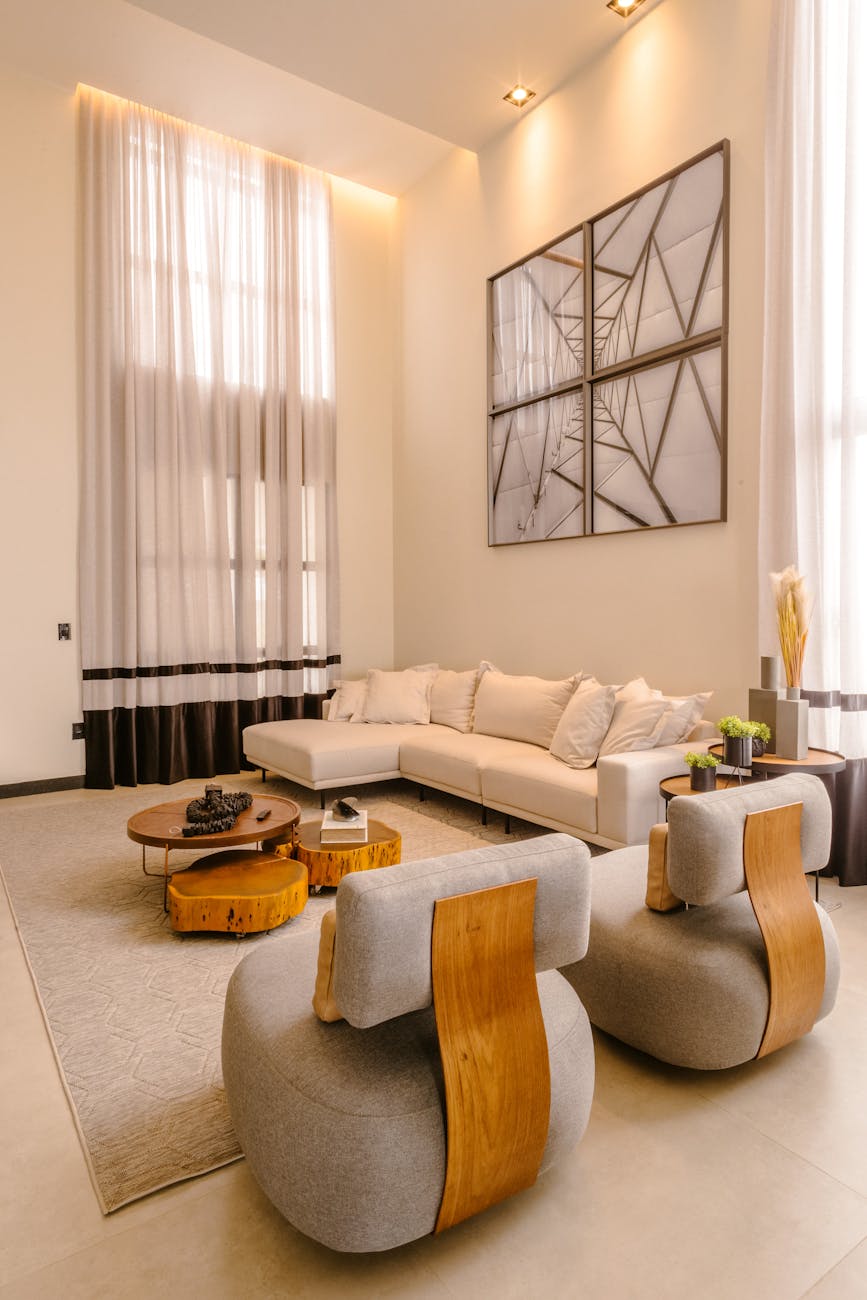
The Mechanics of Visual Depth in Interior Design
We often approach decorating as a matter of selecting individual items—a beautiful sofa here, a charming throw there. However, true visual impact stems not from isolated objects but from the strategic interplay between these elements. Understanding how to layer decor is understanding spatial psychology; it is about manipulating perception to create an environment that feels richer and more intentional than the sum of its parts. Mastering **layering living room decor** requires shifting focus from single focal points to the cumulative effect of tactile, visual, and light interactions across a space.
Establishing the Foundational Base with Textiles
The initial layer in any successful design sequence must address the floor plane. Rugs are not merely decorative pads; they function as anchors that define zones and introduce immediate textural variance. We observe that utilizing rugs effectively forces the eye to engage with the space vertically, increasing perceived size and intimacy simultaneously. A large area rug establishes the primary zone for seating, dictating the scale of the furniture placed upon it. Smaller accent rugs then serve to interrupt this expanse, introducing secondary focal points and guiding movement within the room.
The material composition of these textiles dictates the subsequent sensory experience. Wool introduces a dense, matte texture that absorbs light softly, enhancing the feeling of coziness. Conversely, silk or high-pile shag introduce reflectivity and pronounced tactile sensation. When combining materials, we achieve complexity. For instance, placing a low-pile wool rug beneath a softer, higher-pile throw creates a tangible transition zone that invites physical interaction. This controlled juxtaposition prevents the space from feeling flat; instead, it develops a rich topography of touch.
Integrating Textural Contrast for Tactile Warmth
Depth is built by introducing contrasting textures across different planes. A room composed solely of smooth, hard surfaces—polished wood floors and flat walls—lacks the necessary sensory invitation for true coziness. Introducing varied textures engages multiple sensory receptors simultaneously. Think about how a woven jute rug interacts with a velvet armchair or a chunky knit throw blanket draped over an arm. This interplay between rough and smooth, matte and sheen, is what generates perceived warmth.
Consider the application of texture beyond the floor plane. Walls can benefit from textural treatments; subtle, tactile wallpaper or carefully placed fabric wall hangings break up monolithic surfaces. This prevents visual fatigue while enriching the atmosphere. The principle remains consistent: the strategic combination of different surface qualities creates a dynamic environment. We see this effect replicated in functional spaces, such as when designing storage solutions; even practical items benefit from considered texture to enhance daily engagement. For example, selecting textiles for bathroom shelving demands the same consideration for tactile experience and visual appeal, much like decorating a living space.
Manipulating Light Through Layered Elements
Lighting is perhaps the most potent tool in manipulating perceived depth. Light interacts with surfaces differently based on their reflectivity and texture. A single overhead light casts flat illumination, revealing no shadows or dimension. Strategic layering uses light sources to carve out areas and highlight textures. Placing floor lamps at varying heights creates pools of warm, intimate light rather than uniform ambient glow. This technique draws the eye into specific zones, creating visual pathways through the room.
Consider the interplay between direct light and shadow created by layered textiles. When a soft light grazes the nap of a velvet throw, it accentuates the depth of the pile and reveals subtle shifts in color saturation. Conversely, light hitting a matte wool rug absorbs the illumination gently, grounding that area physically within the visual composition. The goal is to manage contrast; high contrast between brightly lit areas and shadowed recesses generates drama and depth. We are essentially using light as a sculptor, defining volume where it might otherwise be absent.
The Role of Scale in Creating Visual Hierarchy
The size relationship between objects dictates their importance within the scene. Large furniture pieces must relate appropriately to the scale of the room and the supporting floor coverings. An oversized sofa demands an equally large rug beneath it; mismatching scale signals a lack of intentional design, resulting in visual clutter rather than cohesion. We observe that scale manipulation is fundamental to effective **layering living room decor**.
Smaller items function as accents, providing necessary counterpoints to the larger foundational pieces. A collection of smaller objects—vases, books, candles—placed thoughtfully on a console or shelf adds density without overwhelming the space. This creates visual rhythm. When designing functional zones, such as setting up a cozy dining area, the scale must be considered holistically. For instance, ensuring that seating areas flow seamlessly into adjacent zones requires careful consideration of how large the coordinating elements are relative to one another.
Orchestrating Visual Flow with Focal Points and Repetition
A layered space needs a guiding principle; otherwise, it becomes an undifferentiated mass of textures and colors. We establish focal points to anchor the layering process. This might be a striking piece of art, a unique fireplace, or an architectural feature. Once established, surrounding elements must echo or complement this anchor point through repetition of theme, color, or texture.
Repetition is not mere copying; it is harmonic resonance. If a deep emerald velvet sofa anchors the room, introducing secondary accents in deep jewel tones across pillows and throws reinforces that depth. This creates an immersive effect where every element contributes to the overall narrative. We are constructing visual pathways that lead the observer through the space, making the transition between zones feel intentional rather than abrupt.
The Subtlety of Material Storytelling
Every material carries a history, whether actual or perceived. When layering decor, we are engaging in a form of non-verbal communication about the intended atmosphere. Natural materials—wood, stone, linen—convey organic warmth and permanence. Synthetic elements, when introduced thoughtfully, can provide necessary contemporary contrast or specific textural pops. The successful application of **layering living room decor** involves understanding which materials support the desired emotional outcome.
We see this principle extend into functional areas too. When organizing items in a kitchen dining space, for example, selecting storage solutions that integrate warm textures enhances the feeling of welcome; similar considerations apply when arranging bathroom accessories, where tactile quality must align with aesthetic goals. The narrative built by these material choices is what transforms a decorated room into a truly cozy sanctuary.
Tags: living room decor, home styling, cozy decor, interior design tips, decorating tricks, texture and warmth, room styling
Featured Image by Jonathan Borba on Pexels.