
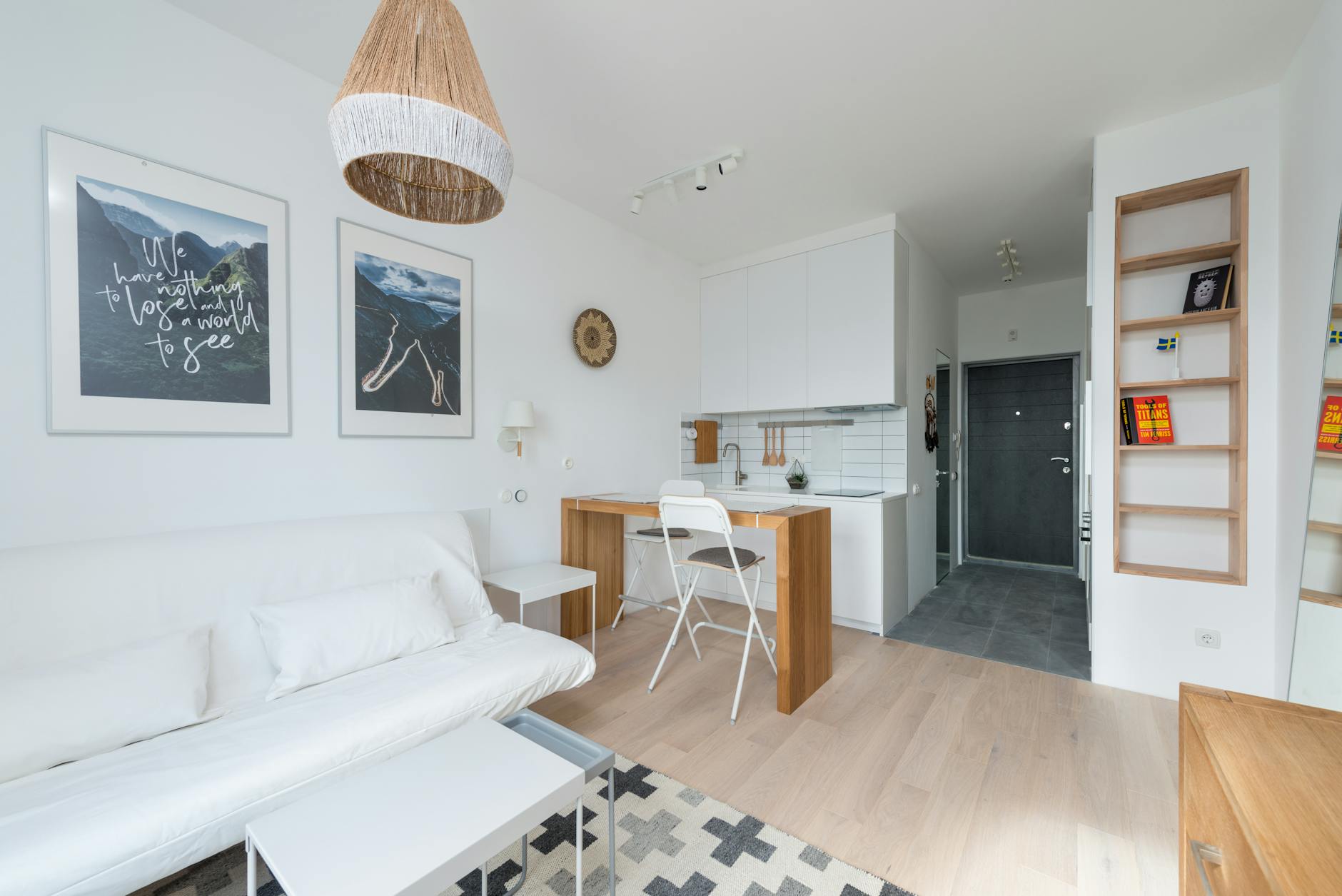
Engineering Comfort: Maximizing Utility in Compact Living
Living effectively in a micro-apartment demands a shift from traditional spatial allocation to functional engineering. We are not simply decorating small rooms; we are optimizing the physical constraints through strategic furnishing choices. The core challenge arises when square footage dictates that every item must perform multiple roles, transforming inert objects into active solutions for storage and seating simultaneously. Understanding this dynamic is the first step toward designing a genuinely cozy, highly functional environment.
Deconstructing Space: The Mechanics of Small Space Utilization
When space is severely limited, linear and vertical dimensions become exponentially more valuable than surface area alone. We must analyze how furniture interacts with these constraints. A conventional sofa consumes significant floor space; therefore, the solution lies in selecting pieces whose structural components address multiple needs. Think about a coffee table that doubles as storage; this addresses two distinct functional requirements in one physical footprint. This approach requires foresight regarding density and multi-purpose design from the initial selection phase.
The objective shifts to minimizing wasted volume. Every inch must contribute meaningfully to the living experience, whether it serves as a pathway, a resting spot, or a repository for belongings. Observing successful small-space design reveals a pattern: integrated systems outperform isolated items. We move away from thinking about single-purpose furniture toward designing interconnected systems that serve evolving needs.
Furniture Strategies for Multi-Functional Living
The concept of **multi-functional furniture small spaces** is not merely about adding more stuff; it is about introducing intelligent geometry into the room layout. We observe several high-impact strategies that effectively manipulate perceived space.
Integrated Seating Solutions
Seating is perhaps the most critical element in defining a cozy atmosphere, yet traditional bulky sofas often create spatial friction in small environments. We need seating mechanisms that offer comfort without demanding excessive floor area. Modular seating systems exemplify this principle perfectly. A loveseat with built-in storage underneath provides a functional base while simultaneously reducing the visual clutter of freestanding storage units.
Consider ottomans designed with lift-top mechanisms. These objects transition seamlessly between an extra seat, a footrest, and a hidden compartment for blankets or magazines. This mechanism addresses temporal variability in use; the object adapts its function based on immediate demand. We see this principle applied across various furniture types, turning passive elements into active space managers.
Storage Systems That Embrace Verticality
When horizontal surface area is constrained, the vertical plane becomes an untapped resource. Utilizing wall space effectively unlocks substantial storage potential. Implementing shelving units that extend high up toward the ceiling draws the eye upward, creating an illusion of greater height and spaciousness. This principle directly supports the concept of **vertical magic: cozy storage for tiny apartments**.
When designing these systems, we must consider the load-bearing capacity and aesthetic integration. Open shelving allows visual breathing room, whereas closed cabinetry maintains a sleek, minimalist appearance. For renters or those needing flexible solutions, incorporating wall-mounted systems is highly advantageous, minimizing intrusion on the floor plane entirely. These vertical installations allow us to stack necessary items without sacrificing functional flow.
Transforming Room Functions with Dual-Purpose Pieces
The true genius of multi-functional design lies in creating objects that serve dual roles effortlessly. A console table can function as both a hallway accent and an entryway drop zone. Bookcases, for instance, are not merely for displaying volumes; they become integrated room dividers or backdrops for cozy vignettes. This requires selecting items where the structural frame supports multiple functions without compromising stability.
We see this synergy in textile solutions too. Integrating elements like **DIY Macrame Wall Hangings: Create Cozy Boho Decor** allows one to introduce significant aesthetic warmth while simultaneously utilizing wall real estate for decorative purposes, often supplementing storage needs. When we examine these decorative choices, they serve the dual purpose of ambiance creation and spatial definition.
The Psychological Impact of Optimized Layouts
The physical arrangement of objects directly influences the psychological state of the occupant. A cluttered space generates cognitive load; every visible item demands processing. Conversely, an optimized layout promotes a sense of calm and order. When furniture is thoughtfully designed to serve multiple roles, it reduces visual noise. This reduction in sensory input translates directly into a feeling of spaciousness and tranquility, which is essential for achieving that sought-after cozy atmosphere.
The flow between spaces must remain uninterrupted. If one piece of furniture forces an awkward detour or creates a barrier, the sense of open space vanishes instantly. Therefore, positioning these multi-functional items requires an awareness of traffic patterns within the micro-apartment. We must ensure pathways remain clear and accessible.
Implementing Smart Systems Through Materiality
The materials we select also play a role in maximizing functionality and coziness. Choosing lightweight yet sturdy materials allows for greater flexibility in arrangement. For instance, selecting furniture with slim profiles minimizes the physical footprint while still offering substantial utility.
We observe that natural textures enhance the feeling of coziness significantly. Incorporating soft textiles, warm wood tones, and tactile fabrics softens the hard lines often inherent in minimalist, functional design. This interplay between hard, functional structures and soft, inviting materials is what defines a cozy space rather than just an efficiently organized one. The resulting environment feels intentional and deeply personal.
Analyzing the Process of Small Space Optimization
The process for achieving peak functionality involves a systematic evaluation rather than random placement. First, inventory the necessary functions: sleeping, sitting, storage, dining. Next, map these functions onto the available spatial dimensions. Then, begin sourcing or designing components that bridge these functional gaps. We test potential solutions against the constraints of the actual room geometry.
This analytical approach prevents the common pitfall of simply layering objects. Instead, we are constructing an integrated system where each component contributes simultaneously to aesthetics and utility. When you look at how a single piece of furniture handles multiple tasks—holding books while providing an extra seat—you recognize the efficiency of thoughtful design. This is the mechanism by which true small-space living evolves into truly cozy, highly efficient micro-apartments.
Tags: small space living, apartment hacks, cozy decor, space saving, multi-functional furniture, tiny apartment, home organization
Featured Image by Max Vakhtbovych on Pexels.