
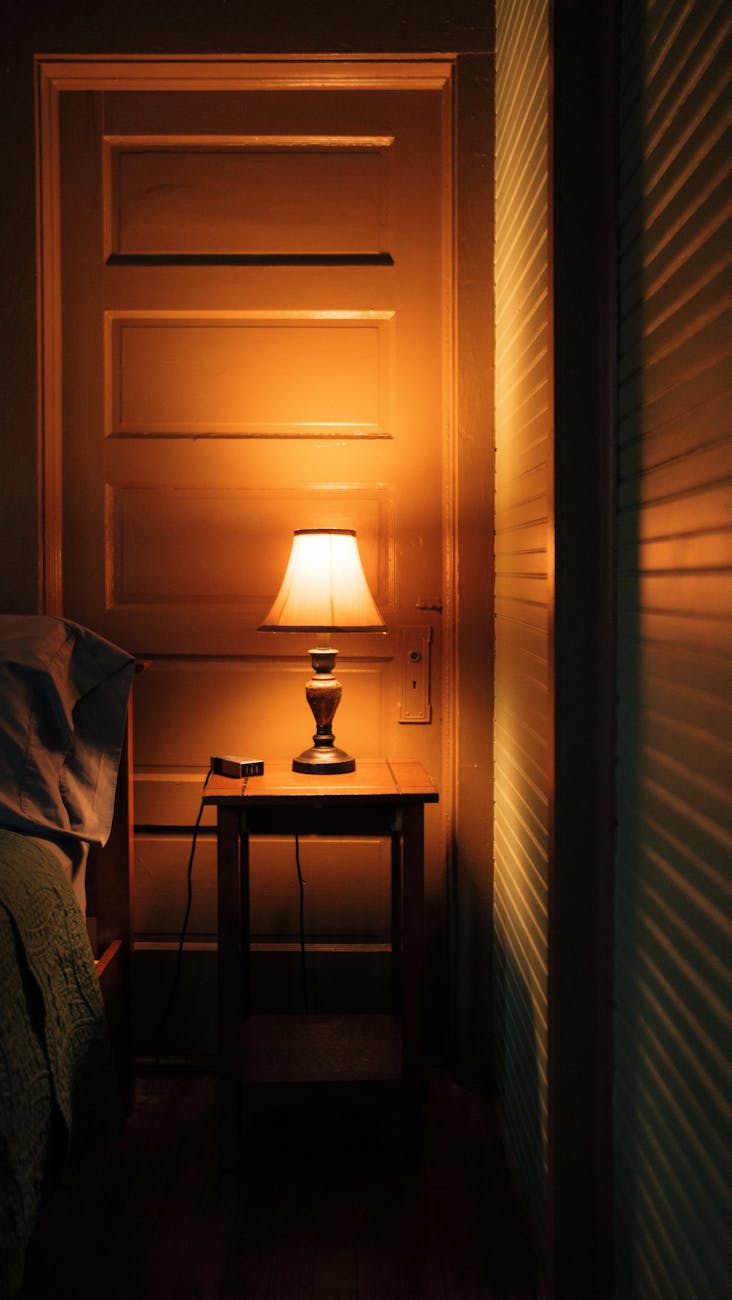
The Science of Light: Optimizing Your Bedroom Environment for Rest
We often treat lighting as a mere aesthetic choice, selecting bulbs based on perceived warmth or brightness. However, when we examine the physiological response to illumination, we see a profound mechanism at play concerning circadian rhythm regulation and melatonin production. The goal in designing a truly restorative space is not simply to illuminate a room; it is to modulate the body’s internal clock effectively. This understanding shifts ambient lighting from decoration to functional architecture.
Melatonin Production and Light Spectrum
The human body operates on a tightly regulated cycle governed by light exposure, a process intrinsically linked to the suprachiasmatic nucleus (SCN) in the brain. Exposure to specific wavelengths directly influences the pineal gland’s signaling output regarding sleep onset and maintenance. Blue-spectrum light, prevalent in midday sunlight and standard LED bulbs lacking proper tuning, has a significant inhibitory effect on melatonin secretion. When ambient lighting mimics this high-energy spectrum during pre-sleep hours, it actively suppresses the necessary hormonal cascade for deep, restorative sleep.
Conversely, manipulating the color temperature of your **ambient lighting bedroom** is a direct intervention into this biological process. We observe that shifting illumination towards the warmer end of the spectrum—lower Kelvin values—signals to the brain that it is time to wind down. This modulation facilitates the natural release of melatonin, allowing the body to transition smoothly from wakefulness to sleep. This effect is not anecdotal; it reflects established principles of chronobiology applied directly to interior design.
Implementing Warm Tones for Physiological Comfort
The selection of color temperature dictates the psychological atmosphere we create, but more importantly, it sets the biological stage for rest. For bedrooms, the optimal range often falls between 2200K and 3000K. Lights operating at this lower end emit a softer, amber glow that avoids stimulating the visual centers associated with alertness. This is why many experts advocate for dimmable, warm-toned bulbs in sleeping environments. Dimming functionality becomes critical here; it allows us to precisely control the intensity of the signal without extinguishing the entire environment, offering nuanced control over sensory input.
Consider the impact when transitioning from bright task lighting to soft ambient illumination. The reduction in visual strain compounds the effect of the altered light spectrum. When the room is bathed in a gentle, warm glow, the visual cortex relaxes, which correlates directly with reduced physiological arousal. This physical relaxation precedes and supports the onset of sleep cycles. We are essentially programming the environment to induce parasympathetic dominance, shifting the body out of the sympathetic ‘fight or flight’ state that bright, cool light encourages.
The Mechanics of Dimming and Control
A simple dimmer switch is more than a convenience; it is a sophisticated tool for environmental control in an optimal setting. Full-spectrum lighting is useful during daytime activities, but for sleep preparation, intensity must be gradually reduced. We need systems where the transition is seamless, not abrupt. Research indicates that abrupt changes in light level can cause a momentary spike in alertness, disrupting the delicate sleep induction sequence.
We analyze how smart lighting systems integrate this mechanism. By programming scenes—for instance, a ‘Sleep’ scene set to a low Kelvin value and a specific dim level—we automate the correct environmental conditions without requiring conscious effort from the user during vulnerable times. This removes the cognitive load associated with managing the environment, letting the physical setting manage the transition to sleep.
Layering Textures and Light for Sensory Depth
The visual experience of a space is enhanced exponentially when multiple sensory inputs work in concert. Light alone is insufficient; texture provides necessary tactile context. Imagine layering soft textiles—knits, bouclé, or velvet—onto furniture and bedding. These materials absorb light differently than hard surfaces, diffusing the illumination into softer pools. This physical softness mirrors the desired mental state of tranquility.
When we combine warm lighting with rich, tactile surfaces, the visual experience deepens its immersive quality. The interplay between diffused light reflecting off soft fabrics and the gentle glow creates an enveloping effect, transforming the room from a mere sleeping area into a true sanctuary. This layering acknowledges that comfort is multi-sensory; it engages sight, touch, and the sense of calm simultaneously.
Integrating Ambient Lighting with Other Zones
The principles governing bedroom ambiance extend beyond the sleeping area. The concept of creating intentionally different zones applies to the entire home environment. We must consider how light functions in transitional spaces, such as living areas or dining spaces. For instance, the atmosphere established in a cozy dining area should contrast with the restorative silence required in the bedroom.
If we are setting up a comfortable space for relaxation outside the sleeping zone, attention turns to functional warmth. Think about integrating warm solutions into shared areas. Establishing a similarly inviting atmosphere in adjacent zones reinforces the overall feeling of domestic coziness. This interconnectedness means that the lighting strategy must be holistic, designed across the entire living experience rather than isolated to a single room function.
Practical Application: Designing Your Serene Glow
To achieve this optimal state, the process requires intentional design choices regarding light sources and physical materials. Start by auditing your current setup. Identify areas where harsh, cool light dominates the evening hours. Replace these with smart bulbs offering superior color temperature control. Invest in quality dimmers that respond smoothly to subtle input adjustments.
When selecting furnishings, prioritize materials that invite touch. The tactile experience reinforces the visual message sent by the lighting. We see a strong correlation between perceived coziness and the presence of soft textures. Incorporating materials like plush velvets or chunky knits physically embodies the feeling of safety and warmth we seek during sleep. This synergy between luminous quality and textural comfort creates an environment optimized for deep rest. Creating this **ambient lighting bedroom** experience is about engineering a predictable, restorative response from the user through carefully managed light and touch inputs.
Tags: ambient lighting, bedroom decor, sleep quality, mood lighting, warm light, home decor, relaxation
Featured Image by Sami Abdullah on Pexels.