
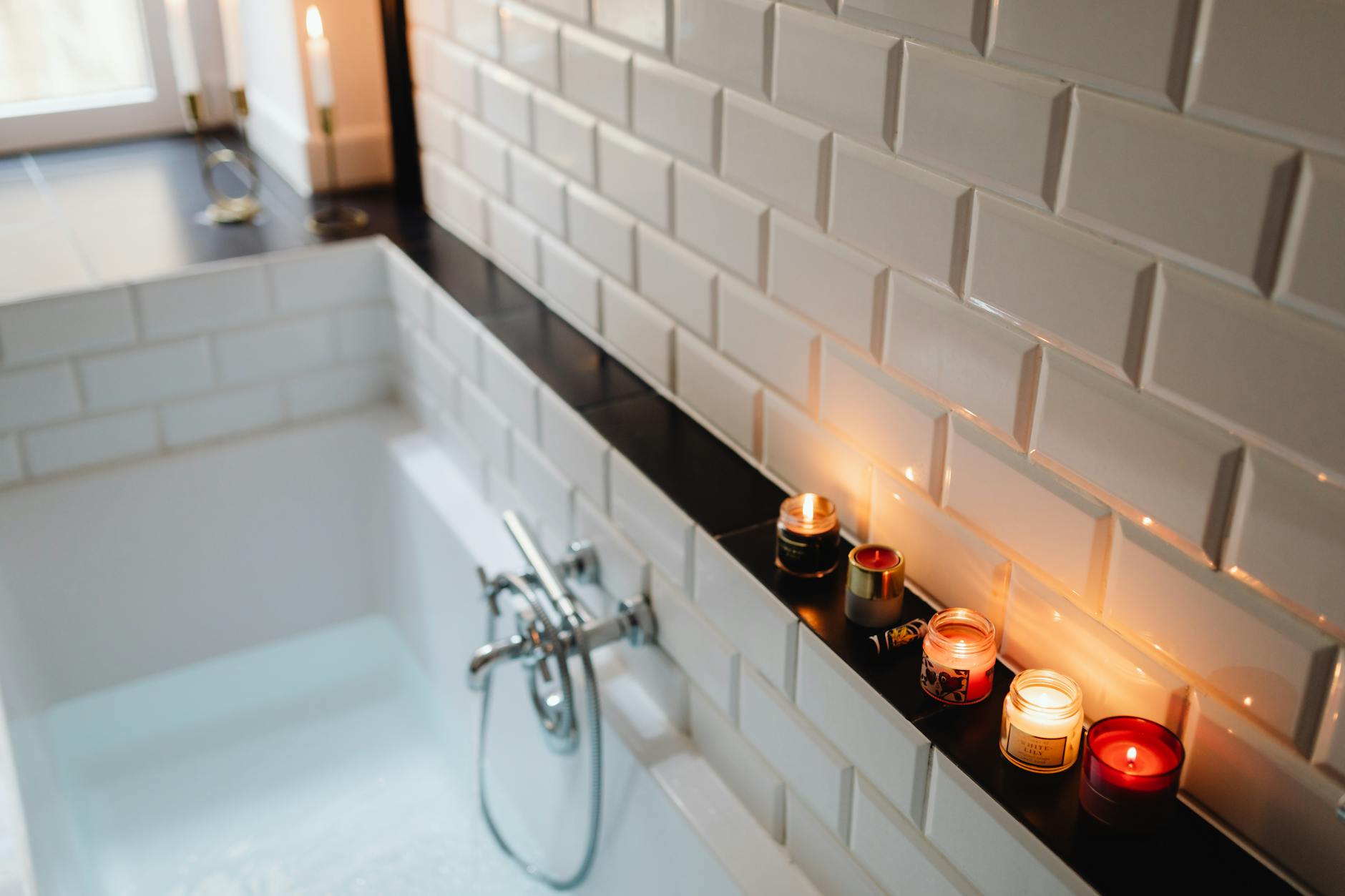
Engineering Serenity: How Bathroom Ambient Lighting Rewires Relaxation
The bathroom, often relegated to a purely functional space, possesses immense potential for transformation when approached through the lens of environmental psychology and intentional design. We are not simply installing light bulbs; we are manipulating the visual spectrum to directly influence physiological states. Creating a spa-like atmosphere is an exercise in controlled sensory input, where the quality and placement of illumination dictate mood far more effectively than any towel or bath bomb alone. Understanding the mechanisms behind how light affects circadian rhythms and stress response is crucial when designing for ultimate serenity.
The Science Behind Warmth: Correlating Color Temperature with Mood
The transition from harsh, functional lighting to ambient illumination involves selecting a color temperature measured in Kelvin (K). This numerical scale dictates the perceived warmth or coolness of the light. We observe that light sources emitting below 3000K introduce a distinctly warm, amber tone, mimicking firelight or candlelight. This spectral profile stimulates the release of serotonin, a neurotransmitter associated with feelings of well-being and relaxation. Conversely, lighting above 4000K pushes the visual perception toward cooler, more energetic tones, which can increase alertness—a state entirely counterproductive for unwinding before sleep or engaging in self-care rituals.
When implementing **bathroom ambient lighting**, the choice is a strategic one. For areas intended for deep relaxation, we target the lower end of the Kelvin scale, typically between 2700K and 3000K. This warm spectrum encourages parasympathetic nervous system activation, signaling safety to the brain and prompting physical relaxation. The effect is subtle yet profound; the visual environment signals a shift from task mode to rest mode.
Layering Light for Depth: Beyond Simple Illumination
A single source of light fails to achieve true ambiance; effective design relies on layering illumination across multiple planes. Imagine moving beyond harsh overhead fixtures and incorporating indirect sources. This involves employing dimmers, strategically placed sconces, and hidden LED strips. These layers allow the user to modulate intensity based on the activity—bright task lighting for grooming versus soft, diffused light for unwinding.
We see that shadows play a significant role in psychological perception. Sharp, high-contrast shadows create visual tension; soft, diffused shadows foster intimacy and calm. By employing ambient lighting strategically, we soften the hard architectural lines of the room, allowing the eye to rest without demanding constant processing. Consider how this principle applies elsewhere in the home; much like curating your perfect reading nook with soft textures, subtle light shifts define the mood of a space.
Selecting Fixtures: Materiality and Light Diffusion
The physical fixture itself interacts directly with the light transmission. Choosing materials that diffuse light rather than reflect it sharply is essential for achieving serenity. Matte finishes absorb some light while scattering the remainder softly, preventing glare. Polished chrome or high-gloss surfaces generate harsh reflections that disrupt the calming effect we seek.
For bathroom applications, fixtures should prioritize diffusion. Glass diffusers placed behind translucent panels effectively soften any direct light source. Furthermore, integrating natural textures into the lighting scheme amplifies this effect. Think about incorporating materials that echo natural elements; perhaps pairing smooth, warm light with rougher textiles or organic wood tones nearby. This synthesis of visual texture mirrors the approach taken when exploring ways to bring bohemian softness indoors, such as utilizing **DIY Macrame Wall Hangings: Boho Texture for Cozy Walls**. The tactile quality becomes part of the sensory experience provided by the light.
Smart Systems and Dynamic Control: The Mechanism of Adaptive Lighting
The next level in achieving dynamic serenity involves integrating smart technology into the lighting infrastructure. Smart systems allow for programmed scenes that automatically adjust illumination based on time of day or user command, eliminating the need for manual adjustment during vulnerable moments like meditation or winding down. The mechanism here is automated sensory control.
We can program a “Sunset Mode” that gradually shifts the light from bright daylight tones to deep amber hues over an hour before bedtime. This gradual chromatic shift respects the body’s natural inclination toward melatonin production. When users interact with smart switches, they are not just flipping a switch; they are initiating a pre-set physiological response. This precision moves the experience from mere decoration to functional therapeutic design.
Integrating Light with Architectural Features
The placement of lighting must respect the room’s geometry and existing architectural features. Highlighting vertical surfaces with upward-facing fixtures emphasizes height, which can feel airy and expansive in a small space, yet it must not create harsh hot spots. We analyze how light interacts with tile patterns or stone textures; these natural variations in surface reflectivity should be exploited rather than masked entirely.
For instance, washing a textured stone wall with warm light accentuates the natural fissures and depth, adding organic character. This technique moves lighting from an applied layer to an integrated architectural element. The goal is to make the space feel enveloping, a sanctuary carved out of the daily stress.
Practical Application: Creating Your Personal Sanctuary
Transforming your bathroom into a true spa requires intentional commitment to these principles. Start by auditing your current light sources and identifying areas where harshness exists. Then, systematically introduce warmer color temperatures where relaxation is desired. Experiment with dimming capabilities until you find the threshold where the environment feels completely enveloping rather than merely dim.
This process mirrors the careful curation involved in designing an entire sanctuary. When you invest time into these details—the right light temperature, the appropriate diffusion, and the layering of ambiance—you are not just decorating a room; you are engineering an experience that supports genuine rest. The resulting effect is a space where every visual element works in concert to facilitate profound tranquility.
Tags: bathroom lighting, spa bathroom, ambient lighting, cozy home, bathroom design, relaxing spaces, home decor
Featured Image by www.kaboompics.com on Pexels.