
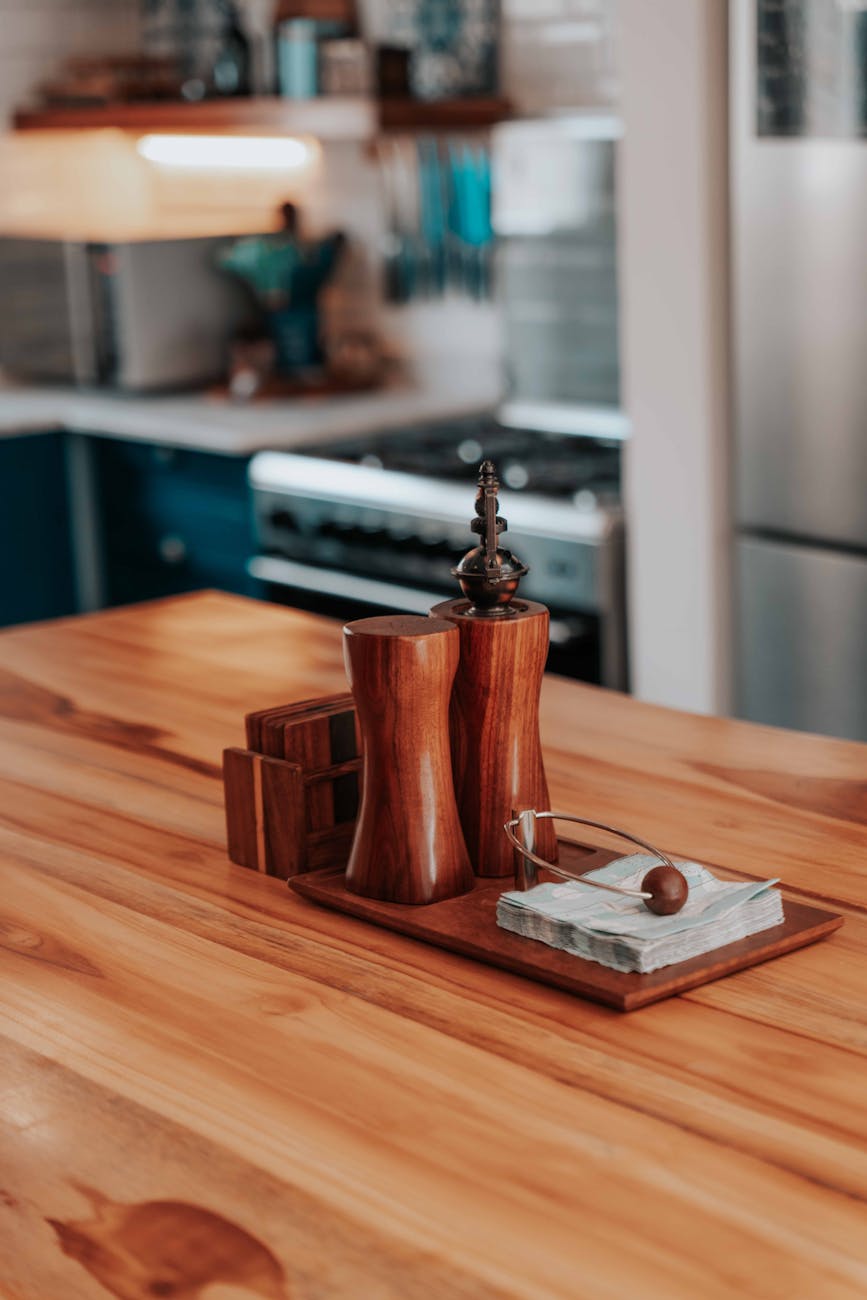
The Tactile Science of Cozy Kitchen Countertops
We observe that the surface material of a kitchen countertop functions as a critical anchor point for establishing the overall sensory experience of a space. When we discuss achieving a truly cozy atmosphere, the focus inevitably shifts to tactile engagement—how the materials physically interact with us. Styling **cozy kitchen countertops** moves beyond mere visual appeal; it becomes an exercise in manipulating perceived warmth and depth through the strategic deployment of natural textures. This is not simply about placing decorative items; it is about engineering an environment where sensory input reinforces a feeling of domestic comfort.
The material choice dictates the initial thermal impression we receive upon entering the kitchen. Smooth, cold surfaces tend to register as sterile or distant. Conversely, materials rich in organic texture immediately engage the sense of touch, signaling safety and invitation. We find that introducing natural textures directly addresses this sensory deficit. Wood grain, linen weaves, and matte ceramics all possess micro-topographies that absorb light differently, creating shadows and highlights that deepen visual interest far beyond a flat surface plane.
Deconstructing Texture: The Mechanism of Warmth
The mechanism by which natural textures generate coziness relies on the complexity of their surface topography. Smooth surfaces reflect light uniformly, creating sharp, unflattering reflections. Textural surfaces, however, diffuse light, scattering it across multiple angles. This diffusion introduces subtle, shifting shadows that mimic the organic variations found in nature, which the human visual system instinctively processes as inviting and familiar.
Consider the application of natural wood accents. The variance in grain density, the presence of knots, and the subtle variations in tone prevent the surface from appearing monolithic or artificial. When these elements are introduced to **cozy kitchen countertops**, they introduce an element of history and organic imperfection that grounds the space. We are not aiming for flawless uniformity; we are seeking character. Our analysis suggests that surfaces exhibiting high textural variance elicit a stronger psychological response related to comfort than those possessing low variance.
Integrating Natural Materials Strategically
The process of integrating these textures requires a calibrated approach. A common error is overwhelming the space with competing patterns or excessive ornamentation. True coziness emerges from thoughtful layering, where each element plays a specific role in enhancing the overall sensory field. We must assess the existing countertop material first; whether it is cool quartz or warm marble, the subsequent styling choices must harmonize with that base.
For example, pairing a cool stone countertop with rough, woven textiles creates an intentional friction that resolves into harmony. The visual tension between the hard, cool surface and the soft, warm textile generates dynamic interest. This interplay mirrors how we experience comfort in our daily lives—the balance between structure and softness. We see this principle applied across interior design principles; understanding this material physics allows us to direct decorative energy effectively.
Wood Accents: The Embodiment of Natural Warmth
Wood remains perhaps the most potent textural agent for achieving a cozy aesthetic on kitchen surfaces. The inherent warmth emitted by wood tones directly influences the room’s perceived temperature, even if the actual thermal output is negligible in an interior setting. When utilizing wood accents—whether through cutting boards, shelving, or decorative runners placed near the countertops—we introduce a tangible connection to natural processes.
We observe that darker woods, such as walnut or rich oak, amplify the sense of enclosure and depth. Lighter, more bleached woods, like maple, provide an airier, lighter sense of space while still maintaining organic character. The specific tone selection is crucial; warm undertones enhance the feeling of hearth and home, directly contributing to that sought-after cozy atmosphere. This choice moves beyond simple color matching into the realm of thermal psychology.
Textiles: Softening the Hard Lines
Textiles introduce the essential element of softness necessary to counteract the inherent rigidity of hard architectural elements. Placing textiles strategically near the kitchen area serves to soften the visual impact of the countertops and surrounding cabinetry. A thick, nubby linen runner draped across an open shelf or a textured cotton towel placed near a sink basin immediately signals comfort.
This application functions by introducing a tactile invitation. When we touch these soft materials, our subconscious registers a sense of relaxation. This effect is amplified when considering the overall lighting scheme. Layered lighting for cozy home decoration works synergistically with these textiles; soft, diffused light interacts gently with the textile fibers, enhancing their inviting quality without creating harsh shadows.
Creating Functional Warmth in Kitchen Storage
The concept of coziness extends beyond the immediate visual plane and into functional utility. Countertops are where daily tasks occur, making the surrounding storage systems equally important for establishing a warm environment. If storage solutions feel cold, utilitarian, or overly segmented, the countertop styling will inevitably fail to achieve true warmth.
We must examine how items are stored. Opting for materials that possess inherent warmth in your kitchen storage directly impacts the overall ambiance. For instance, replacing stark white plastic containers with wooden bins or woven baskets introduces immediate, pervasive texture. Cozy kitchen storage: warm solutions for your dining space exemplifies this principle perfectly; when storage itself feels organic, the entire zone feels more settled and inviting. This functional integration ensures that the aesthetic intention flows seamlessly into the lived experience of the space.
Material Synergy: The Holistic View
Achieving a cohesive look on **cozy kitchen countertops** demands material synergy. We are not simply placing random items; we are orchestrating an interaction between disparate materials—stone, wood, metal, and textiles. The successful configuration happens when these elements speak to one another, reinforcing the theme of natural warmth and tactile comfort.
The visual path across the countertop should guide the eye through this textural journey. Start with the foundational material, then introduce a grounding element like wood, layer in soft textiles for comfort, and finally use carefully selected accessories to introduce necessary points of focus. This process requires an understanding of how light interacts with each surface. We are manipulating the reflection and absorption properties to sculpt an environment that feels deeply personal and profoundly cozy. The result is a kitchen space where every surface invites touch, rest, and lingering.
Tags: kitchen decor, cozy home, natural textures, kitchen styling, wood accents, home decor tips, kitchen design
Featured Image by Keegan Checks on Pexels.