
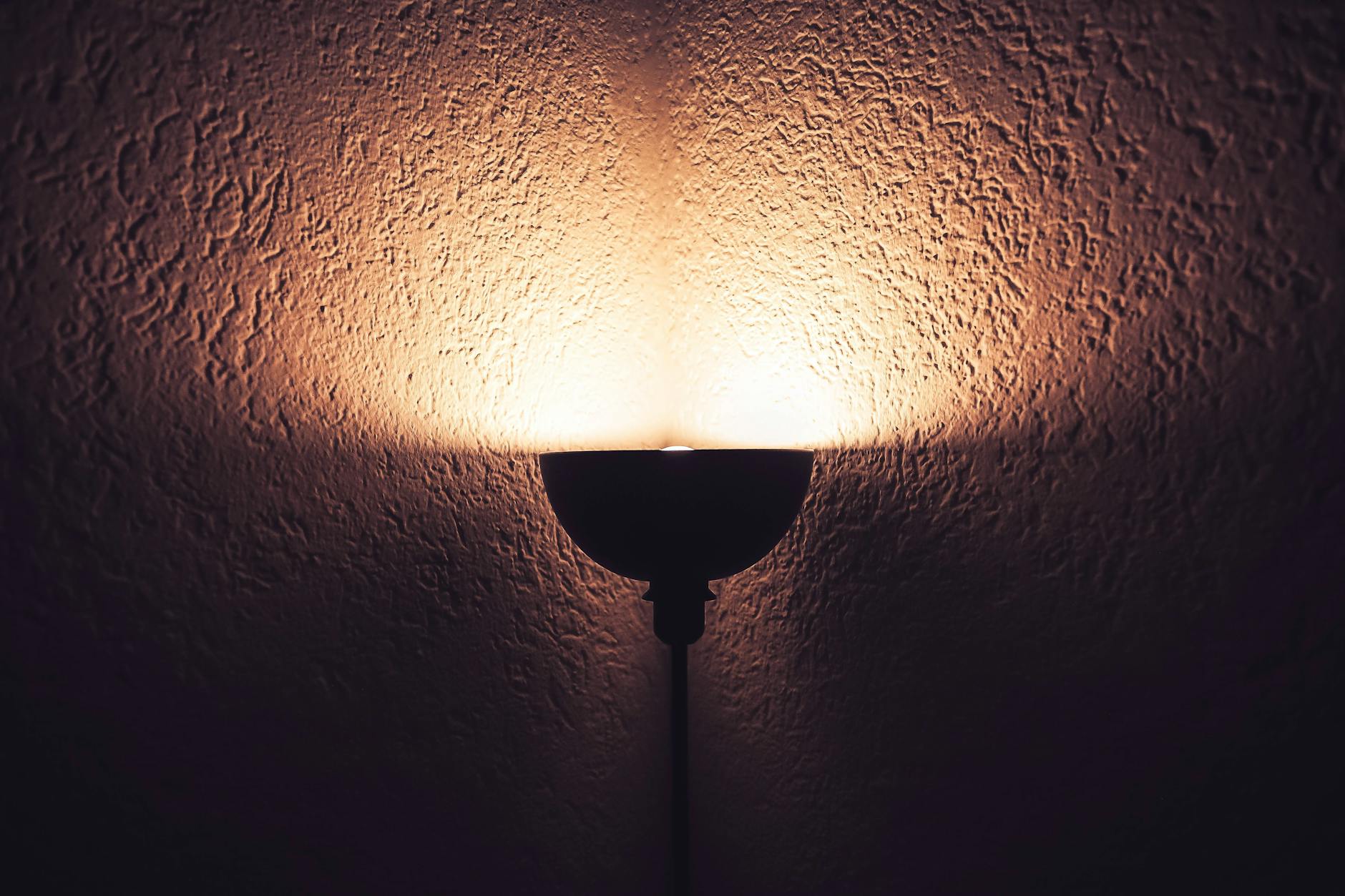
The Science Behind Warmth: Mastering Light Temperature for Ambiance
We interact with light constantly throughout the day, yet very few of us consciously manipulate its spectral composition to achieve a specific psychological state. Creating an ambient lighting cozy home is not merely about switching on lamps; it involves understanding the physical properties of light and how those properties modulate human perception of warmth and relaxation. The mechanism at play here is directly tied to color temperature, measured in Kelvin (K).
Light sources emit photons across the electromagnetic spectrum. As we adjust the Kelvin setting, we are essentially altering the ratio of red, yellow, and blue wavelengths reaching our eyes. Lower Kelvin values, typically below 3000K, produce a warmer, more orange-red cast. This spectral shift signals safety and biological associations with firelight or candlelight, triggering parasympathetic nervous system responses associated with rest. Conversely, higher Kelvin settings, above 4000K, introduce cooler, bluer tones, which stimulate alertness and cognitive function. Understanding this direct correlation between wavelength and emotional response is the foundation for effective interior illumination design.
Decoding Kelvin: The Spectrum of Cozy
The practical application of light temperature demands precise calibration. We observe from the data that the transition zone between warm and cool light is subtle but critical when designing a sanctuary. For true coziness, we target specific ranges based on the intended function of the space. In living areas or bedrooms where deep relaxation is the objective, temperatures around 2200K to 2700K prove most effective. These settings mimic the gentle glow of incandescent bulbs, offering a pervasive sense of enveloping warmth that encourages unwinding.
When designing transitional spaces, such as hallways or entryways, a slightly higher temperature, perhaps hovering around 2700K, provides sufficient visibility without introducing an overly somber feeling. This allows for functional illumination while still maintaining an inviting atmosphere. Moving beyond simple switching involves layering these temperatures across different zones of the home. A consistent application of warm light throughout the main living space establishes the primary mood, allowing secondary, slightly cooler lighting to manage specific tasks.
Layering Light for Depth and Atmosphere
A single source of light rarely achieves the complex depth required for a truly cozy environment. True ambient lighting cozy home design relies on layering multiple sources to introduce dimension and control. Think about how natural light interacts with artificial light; shadows shift, textures emerge, and mood deepens when light enters a space from varied angles.
We utilize three primary layers in this process: the ambient layer, the task layer, and the accent layer. The ambient layer is the foundational warmth we discussed previously, usually provided by indirect sources like dimmers on floor lamps or hidden LED strips. This sets the baseline mood. The task layer involves focused light, such as reading lamps or under-cabinet lighting, which provides functional illumination. Finally, the accent layer uses targeted light to highlight specific architectural features, artwork, or textural elements within a room.
When integrating these layers, maintaining consistency in the color temperature across the ambient layer is paramount. If the main living area operates at 2700K, all contributing sources should align to prevent visual dissonance. This cohesive approach transforms disparate light sources into a unified atmospheric experience. Consider how this layering parallels tactile design; just as we select materials for physical comfort, we select light temperatures for emotional comfort. For example, when focusing on creating a soft bedroom aesthetic, pairing warm lighting with richly textured fabrics, such as those found in Layering Textures for a Tactile Cozy Bedroom (https://decorandliving.com/layering-textures-cozy-bedroom/), amplifies the feeling of enclosure and safety.
Beyond Temperature: The Role of Light Quality and Intensity
Simply setting the Kelvin value addresses the color, but the quality and intensity of the light fundamentally dictate how cozy a space feels. A soft, diffused glow is inherently more soothing than harsh, direct illumination, regardless of the temperature chosen. This shifts our focus from mere spectral analysis to photometric control.
Light quality relates to the distribution of light energy. Hard light creates sharp shadows, which introduce visual tension and a feeling of starkness. Soft light, conversely, diffuses across surfaces, softening edges and creating gentle gradients. Achieving this softness requires employing diffusion techniques, whether through opaque shades, translucent materials, or strategically placed reflectors. We aim for light that envelops objects rather than harshly illuminating them.
Intensity, measured in lumens, governs the overall brightness. In a cozy setting, excessive intensity acts as an assault on the senses, signaling activity rather than repose. We manipulate intensity through dimmers, allowing occupants to modulate the light level according to their immediate needs. A low-intensity environment encourages introspection and relaxation. When designing spaces for deep rest, we observe that reducing overall luminance allows the eye to settle into a calmer state.
Controlling Intensity for Restful Environments
The mechanism of dimming controls how much visual information is processed by the brain at any given moment. Lower intensity reduces the signal-to-noise ratio, allowing peripheral vision to take precedence over detailed scrutiny. This physical reduction in visual input directly translates to mental relaxation. For instance, when preparing a space for evening repose, reducing the overall light output prevents the visual system from being overstimulated by bright sources.
We see this principle applied effectively in seasonal décor; achieving that gentle, diffused glow seen in Winter Wonderland Decor: DIY Icy Frosty Ambiance (https://decorandliving.com/winter-wonderland-decor-diy/) requires controlling intensity to let the delicate reflections play across frosty surfaces without creating glare. The goal is not darkness, but a carefully managed luminosity that supports tranquility. This intentional manipulation of light levels moves the experience from mere decoration into therapeutic design.
Integrating Natural Light and Artificial Sources
The interaction between daylight and interior lighting presents another critical layer in establishing an ambient feeling. Natural light carries its own inherent color temperature shifts throughout the day, moving from cool blue tones at midday to warm gold during sunrise and sunset. We must account for this dynamic shift when integrating artificial systems.
During daylight hours, the strategy shifts toward supplementing rather than overriding natural illumination. If exterior light is abundant, interior lights should function more as supplemental task lighting, maintaining a cohesive warmth without competing with the outdoor scene. This often means utilizing lower intensity settings during the day to maintain a relaxed visual environment.
As dusk approaches, the role of artificial ambient lighting intensifies. The transition from bright daylight to the low-level glow of evening requires a seamless shift in the interior palette. By keeping the artificial light temperature consistently warm (2700K range) and using dimmers, we facilitate this transition organically. We are essentially extending the natural warmth of the setting into the evening hours, creating an unbroken continuum of coziness from day to night. This holistic approach ensures that the space functions as a true sanctuary, responsive to both environmental cycles and human physiological needs for rest.
Tags: ambient lighting, cozy home, warm light, home decor, lighting design, cozy atmosphere, interior design
Featured Image by Brendan Rühli on Pexels.