
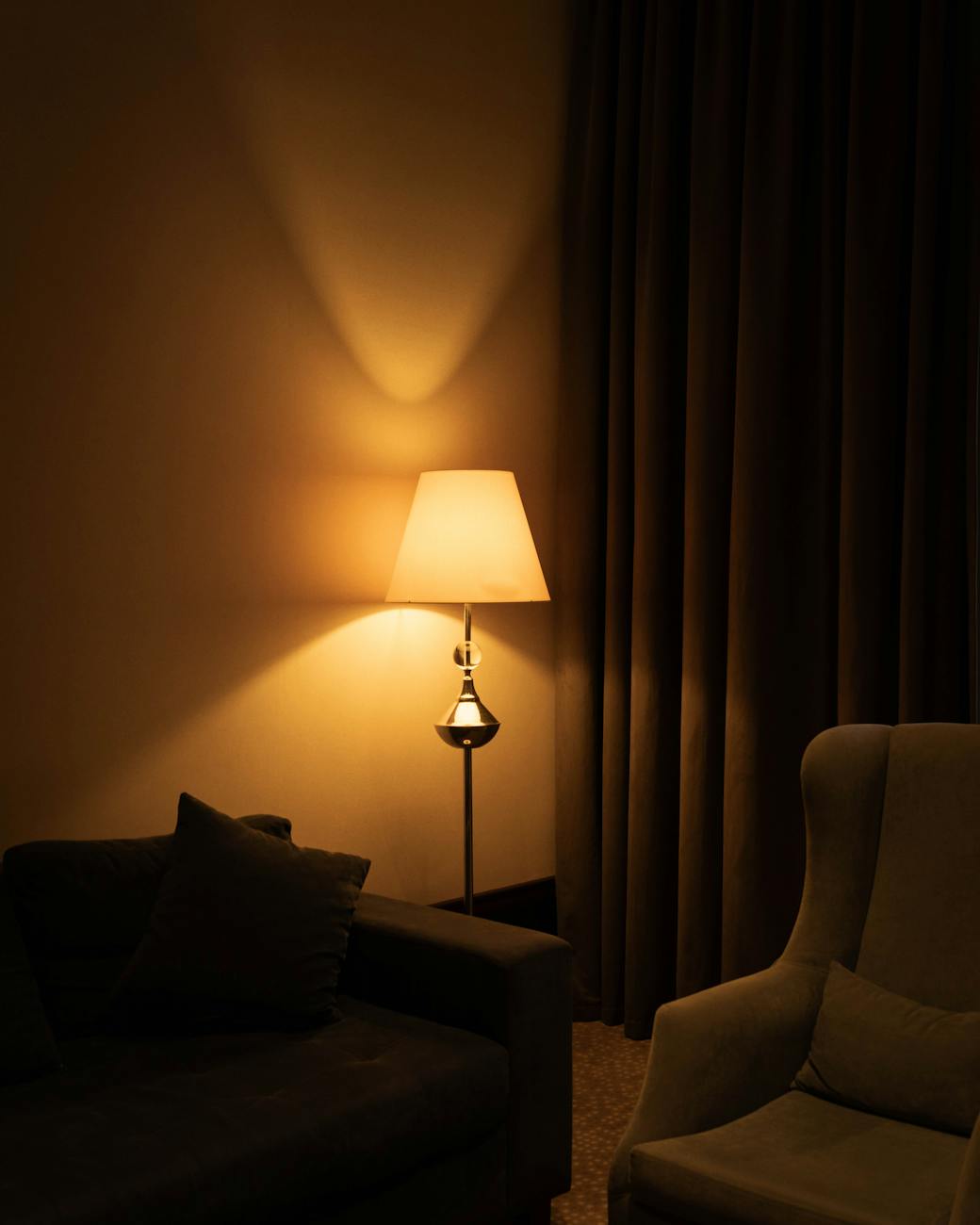
Mastering the Art of Illumination for Deep Comfort
Creating a truly cozy atmosphere is less about selecting a single light source and more about engineering an environment where illumination interacts with texture, shadow, and material. We observe from the data that flat, overhead lighting imposes a visual plane that actively disrupts feelings of warmth; it functions purely for visibility, not for ambiance. Achieving the coveted cozy home requires a deliberate strategy: layered lighting for cozy home design. This technique involves deploying multiple light sources operating at different intensities and color temperatures to sculpt space dynamically throughout the day.
The mechanism behind this layering operates on creating depth and visual interest. Imagine a single, bright source illuminating a room evenly. Now introduce secondary layers. A low-wattage floor lamp introduces warm pools of light near seating areas. A table lamp casts intimate glows onto surfaces. String lights add a delicate, ambient texture overhead. Each layer serves a specific function: task illumination, accentuation, and atmosphere. When these elements are combined, the resulting effect is complex, dynamic, and profoundly inviting.
Deconstructing Light Types for Ambiance Control
Understanding the physics of light interaction is essential when implementing this strategy effectively. Color temperature, measured in Kelvin (K), dictates the emotional response of a space. Warm light, typically below 3000K, mimics the soft, amber tones of candlelight or firelight, signaling relaxation and intimacy. Cooler light, above 4000K, introduces alertness suitable for task-oriented activities like reading or working.
We must account for how these temperatures affect material perception. Warm tones enhance the perceived richness of wood grains and velvet fabrics, deepening their saturation. Conversely, cooler tones can make materials appear starker or more clinical. In practice, manipulating Kelvin values allows us to shift the psychological tone of a room instantly.
The Three Essential Layers of Cozy Lighting
We can segment the layering process into three distinct functional strata: ambient, task, and accent lighting. Each layer addresses a different need within the living space. Ignoring this hierarchy results in spaces that feel either overly bright or strangely dim, failing to achieve true harmony.
Ambient Layer: Setting the Overall Mood
The ambient layer forms the foundational glow; it is the baseline illumination that defines the general mood of the room. This typically involves indirect sources, such as dimmers controlling ceiling fixtures or soft uplighting. The goal here is minimizing harsh shadows and establishing a gentle presence across large areas. Think about how light interacts with vertical surfaces when it doesn’t come from a direct point source; this diffused illumination smooths transitions between furniture pieces, making the entire space feel cohesive rather than segmented by stark contrasts.
Task Layer: Illuminating Specific Activities
The task layer focuses illumination where action is required. This layer provides sufficient brightness for specific activities without overwhelming the overall atmosphere. For example, when curating your perfect reading nook, ensuring the area directly around your book is adequately lit allows for comfortable engagement with the text. If you are setting up a workspace, the light must be focused and clear enough to prevent eye strain during detailed work. This layer dictates functional usability while respecting the mood established by the ambient layer.
Accent Layer: Highlighting Texture and Detail
The accent layer is where the visual interest truly crystallizes. These lights serve to draw attention to specific decorative elements—a piece of art, a unique vase, a richly textured throw blanket. By strategically placing small lamps or focused spotlights, we manipulate shadow play. Observe how a shadow cast by a lamp highlights the weave of a linen curtain or emphasizes the texture of a woven rug; this interplay between light and surface texture is what generates depth and tactile coziness. For dining settings, using accent lighting around candles elevates the experience entirely, transforming a simple meal into a carefully orchestrated moment.
Integrating Decorative Elements Through Light Placement
The physical placement of light sources determines their efficacy in creating warmth. We must move beyond simply turning lights on and focus on spatial choreography. Consider how shadows shift as the day progresses; morning light is often cooler and more directional, while evening illumination benefits from warmer, softer diffusion.
When arranging furniture, we should position seating areas to benefit from the ambient glow of nearby lamps. If a sofa faces a window, placing a floor lamp angled toward it creates a warm visual anchor. This deliberate positioning forces the eye to settle into the illuminated zone, reinforcing the feeling of enclosure and comfort. We observe that grouping light sources spatially is as critical as adjusting their intensity.
Materiality and Light Absorption
The materials within a space possess unique reflective properties that mediate the effect of the lighting. Darker, matte surfaces absorb light, deepening shadows and enhancing intimacy when used in conjunction with warm tones. Lighter, glossy surfaces reflect light, which can increase overall perceived brightness but must be managed carefully to avoid glare. Understanding this relationship allows us to fine-tune the layering process. For instance, using heavy drapery or richly textured textiles absorbs some of the light, preventing harsh reflections and contributing to a softer visual experience.
Practical Application: Combining Light Sources Seamlessly
Achieving sophisticated results hinges on seamless integration rather than juxtaposition. The challenge in applying layered lighting for cozy home design is ensuring that no single light source dominates inappropriately; instead, they must collaborate to build an immersive environment. We need to think about the flow of light across the room as a continuous narrative.
For instance, consider the transition from a brightly lit area to a shadowy corner. A well-executed strategy involves using warm ambient light in the larger zones, introducing focused task lighting where needed, and employing accent lights sparingly to highlight focal points. This careful calibration prevents visual fatigue and maximizes the feeling of enveloping comfort. When designing spaces like a cozy kitchen, the strategic placement of soft light around candle decor for dining moments elevates the entire sensory experience far beyond simple brightness.
The Psychological Impact of Warmth
The connection between illumination and psychological state is undeniable. Research suggests that warm-toned light stimulates receptors associated with relaxation, lowering heart rates and promoting slower, more relaxed physiological responses. This effect is amplified when the lighting is indirect and soft. When we intentionally employ low Kelvin temperatures in our living areas, we are actively programming the space to support rest and decompression. This moves lighting from a mere functional utility into an active tool for emotional regulation within the home environment.
This intentional manipulation of light allows occupants to transition effortlessly between states—from focused activity during the day to deep relaxation at night. The layered approach facilitates this modulation, allowing the user to consciously control the energy level of the space simply by adjusting the illumination profile. We are not just changing how things look; we are changing how we *feel* in those spaces. This is the essence of sophisticated, cozy home decoration.
Tags: cozy home decor, layered lighting, home ambiance, lighting tips, cozy atmosphere, interior design, warm lighting
Featured Image by saw sing on Pexels.