
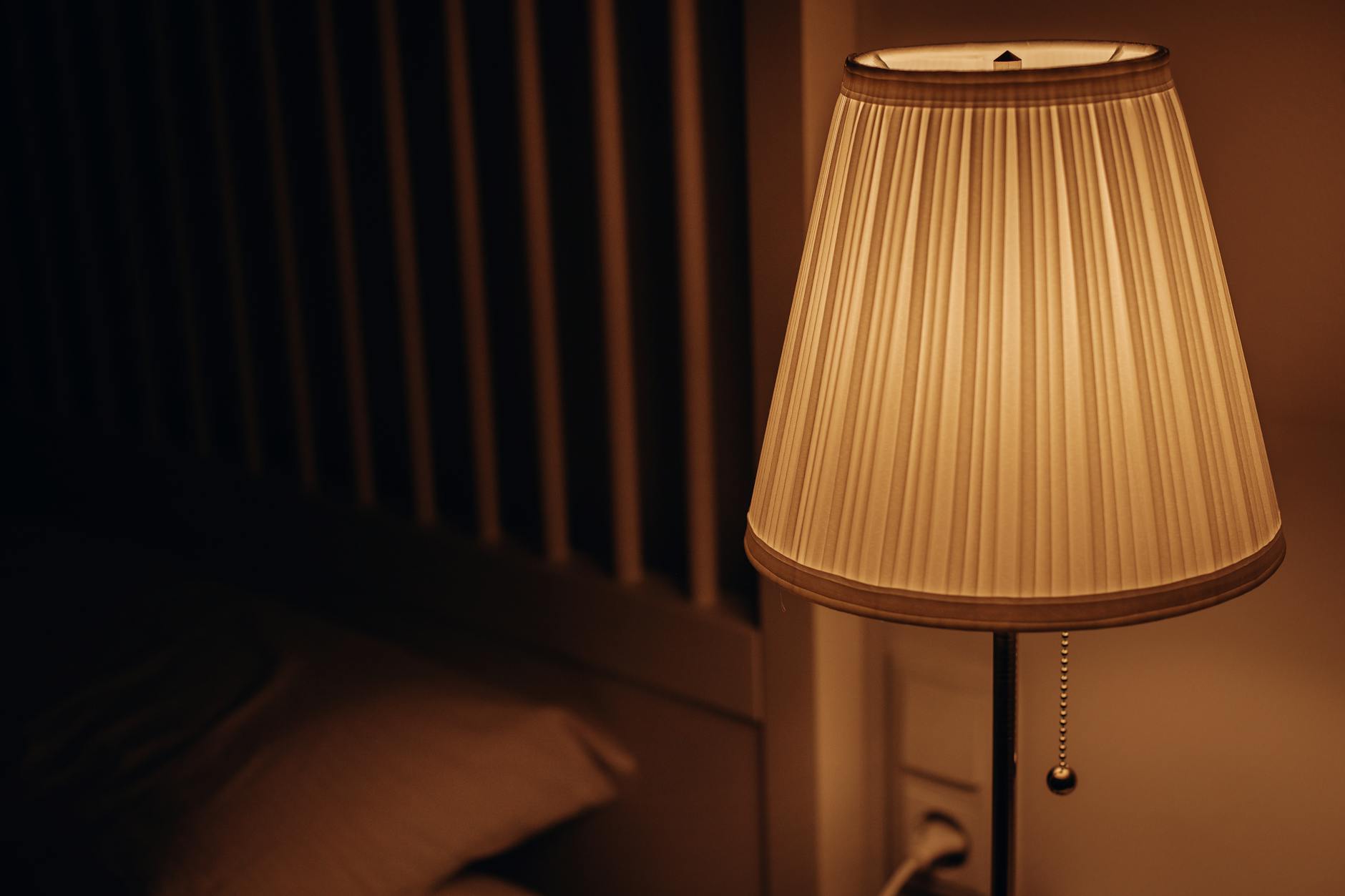
Mastering Light Cycles for Optimal Restorative Sleep
When we consider the bedroom as a space dedicated to deep rest, the quality of illumination ceases to be merely aesthetic and becomes a critical physiological modulator. We are not simply choosing bulbs; we are engineering an environment that signals safety and prompts the body’s natural circadian rhythm to recalibrate itself for restorative sleep. Understanding the physics of light and its interaction with melatonin production forms the foundation of effective bedroom design centered around ambient lighting.
The Spectrum of Sleep: Understanding Light Temperatures
The color temperature, measured in Kelvin (K), dictates the physiological response elicited by the light we perceive. Warm-toned lights, typically ranging between 2700K and 3000K, signal to the pineal gland that it is time to prepare for rest. This lower energy wavelength suppresses the release of stimulating hormones like cortisol, allowing the body to initiate the slower metabolic processes required for sleep onset. Conversely, cooler light sources, those pushing into the 4000K and above, exhibit a higher energy density that signals alertness and engagement, actively inhibiting melatonin synthesis. Our analysis suggests that maintaining this warm spectrum throughout the evening is the most direct mechanism for optimizing the transition from wakefulness to sleep.
We observe data indicating that exposure to high-intensity blue light in the hours preceding bedtime disrupts the natural nocturnal dip in melatonin levels. This interference forces the body to remain in a state of alertness, delaying the onset of deep sleep stages. Therefore, manipulating the chromatic composition of your bedroom lighting is a powerful, non-pharmacological tool for sleep hygiene.
Dimming Mechanisms: Controlling Light Intensity
The intensity, or luminosity, of the light source directly impacts the visual processing demands placed upon the brain. For a truly serene environment, excessive brightness must be eliminated. Dimming mechanisms allow us to reduce the overall photon flux in the room, reducing sensory stimulation before sleep begins. This subtle reduction shifts the environmental context from an active space to a passive sanctuary.
When implementing smart lighting systems, the ability to precisely control dimming levels offers significant advantages over simple on/off switches. We can program gradual transitions, allowing the light intensity to decrease smoothly over a thirty-minute period. This slow attenuation mimics the natural fading of twilight, providing a gentle signal that the body is entering a state of reduced activity. Think about how this principle applies to other areas of the home; managing visual input effectively requires calibrated control.
Layering Light for Depth and Functionality
A single overhead light source rarely provides the nuanced ambiance required for true comfort; effective ambient lighting demands stratification across multiple planes. We need layers that address both broad illumination and targeted functionality. Ambient lighting is not monolithic; it is a composite system built from various sources interacting with surfaces.
The first layer involves general, low-level background illumination. This should come from indirect sources, such as dimmable floor lamps or cove lighting, providing a soft wash across the room that prevents harsh shadows. This establishes the foundational mood. The second layer introduces task lighting, which provides focused light for specific activities, like reading or dressing. When selecting fixtures for these functions, we must consider how they integrate with the overall color temperature scheme established by the background layer.
This layering strategy works because it allows the user to modulate their sensory experience intentionally. For instance, using warm accent lights alongside a dimmer overhead source creates depth rather than flat illumination. Consider how this principle applies when optimizing smaller spaces; utilizing vertical surfaces for storage naturally integrates light distribution, which ties into maximizing space efficiency, much like implementing smart vertical magic for cozy storage in tiny apartments.
Materiality and Light Diffusion: The Surface Effect
The physical properties of the surfaces within a room mediate how light is perceived, transforming raw photons into felt ambiance. Reflectivity and diffusion are paramount factors in achieving a truly soothing atmosphere. Highly reflective surfaces scatter light widely, which can contribute to a feeling of visual intensity if not managed correctly. Conversely, matte finishes absorb excess glare and allow the light to settle softly.
Textiles play an enormous role in this physical interaction. Soft fabrics, such as linen or velvet, diffuse light beautifully, softening any harsh edges cast by direct light sources. We observe that draping these materials over furniture and bedding introduces a tactile softness that complements the visual softness achieved through careful lighting design. Layering textiles for a cozy and productive home office involves using textures to absorb echo and soften transitions, an effect directly transferable to creating bedroom serenity.
When designing your ambient lighting setup, prioritize diffusion. Use opaque shades or translucent materials where harsh direct light is not desired. This controls the intensity while ensuring the light remains integrated rather than intrusive. The goal is envelopment, not exposure.
Integrating Lighting with Sleep Rituals
The transition into sleep should be treated as a deliberate ritual, and ambient lighting serves as a critical component of this decompression sequence. We must establish specific lighting protocols for the pre-sleep phase that are distinct from daytime activity. This means transitioning away from bright, high-CCT functional light hours before bed.
Imagine a three-step evening protocol: first, reducing overall brightness; second, shifting the color temperature to its warmest setting; and third, introducing indirect, low-level sources that encourage relaxation. These steps work in concert to signal safety and prepare the neurochemistry for sleep. The environmental cues must align with the biological imperative.
This intentional manipulation moves beyond simple decoration. It is about applying principles of human-centric design to the physical environment. When we treat light as an active participant in our physiology, we gain tangible control over our well-being. Observing how these changes affect rest quality provides a clear pathway for actionable design choices. The investment in thoughtful ambient lighting yields dividends in deeper, more restorative sleep cycles.
Tags: ambient lighting, bedroom decor, sleep quality, light therapy, mood lighting, home decor, sleep sanctuary
Featured Image by Juan Pablo Serrano on Pexels.