Mastering the Gauge: Decoding Chunky Knit Techniques
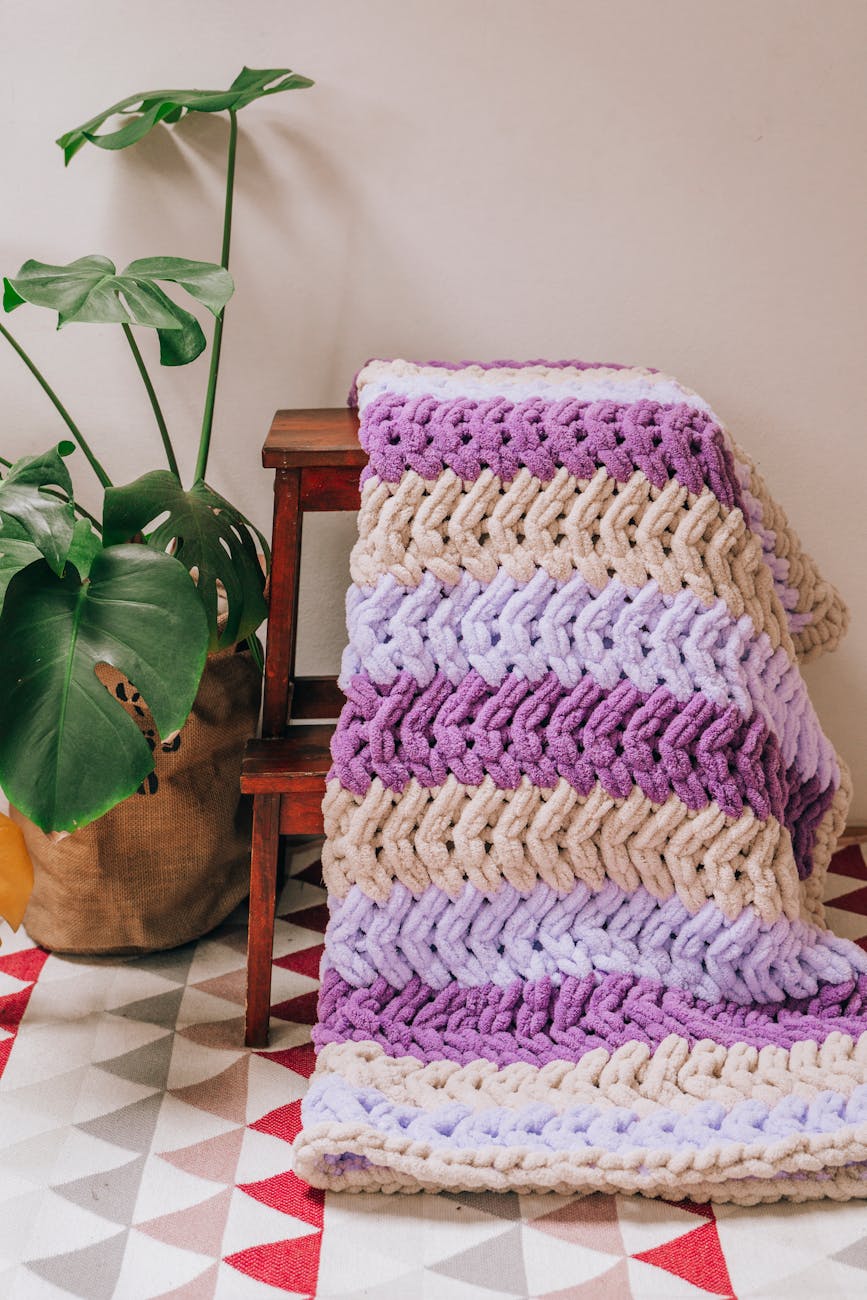
Creating a truly magnificent chunky knit throw blanket is less about following a pattern and more about understanding fiber mechanics and tension management. When we approach **DIY knitted throw blankets**, we are engaging with textile science. The yarn choice dictates the final drape, the stitch definition, and the overall thermal performance of the finished object. For instance, using bulky or super bulky weight yarns—such as chunky acrylic or roving wool—necessitates a significantly larger needle size to accommodate the thickness, which directly influences the fabric’s density and the resulting hand-feel. We observe from the data that tighter tension in these large stitches results in a denser, more robust textile structure capable of resisting sagging over time.
The gauge is the critical intermediary between the written instructions and the physical reality of your project. If the specified gauge—the number of stitches per inch—does not align with the yarn’s actual characteristics or your chosen needle size, the resulting blanket will either be too loose, airy, or prohibitively dense. We must calculate this relationship precisely before casting on a single stitch. This process demands an experimental approach; testing a small swatch is non-negotiable for accurate estimation. This upfront analytical work prevents frustrating rework later when the entire project is underway.
Selecting Fiber for Optimal Thermal Performance
The material you select fundamentally determines how the blanket functions in a cozy setting. Wool fibers, particularly those with high micron counts or natural lanolin content, exhibit superior thermal regulation; they trap air effectively, offering insulation that adapts to ambient temperature shifts. Conversely, synthetic blends, while often affordable and resilient, require careful attention regarding their breathability when used for large-scale projects. We look at the yarn weight as a direct proxy for thermal capacity; heavier weights inherently provide more material per square inch, which is essential when aiming for an enveloping, cozy aesthetic.
When planning your texture, consider how different fibers interact with the stitch pattern you employ. A simple stockinette stitch creates a relatively smooth surface, perfect for a clean drape over a sofa. However, incorporating texture through techniques like the bobble stitch or the moss stitch introduces intentional peaks and valleys, which manipulate light and shadow across the fabric, enhancing the perceived coziness dramatically. This manipulation of surface topography is key to moving beyond a mere craft project toward intentional home décor.
Stitch Mechanics for Maximum Cozy Effect
The choice of stitch pattern dictates the visual impact and tactile experience of your **DIY knitted throw blankets**. Certain stitches possess inherent qualities that naturally enhance the desired cozy atmosphere by manipulating light absorption and surface texture. Understanding these mechanical principles allows you to engineer the look you desire directly into the fabric structure.
The Impact of Texture on Visual Comfort
The way yarn is manipulated into a stitch pattern determines how light interacts with the throw. For example, cables introduce complex, raised patterns that catch light in intricate ways, creating dramatic shadows that enhance depth and visual interest across the surface. This contrasts sharply with a flat knit, which presents a more uniform, soft plane. Experimenting with cable density and spacing allows for fine-tuning this effect.
We see that incorporating texture acts as an invitation to touch. When the surface is uneven, the sensory experience shifts from passive viewing to active engagement. Imagine a blanket where some areas are slightly deeper or more textured than others; this subtle variance mimics the comforting irregularity of a well-worn, loved item. This tactile richness elevates the entire decorative intention.
Techniques for Achieving Deep, Luxurious Knits
To achieve that deeply cozy, substantial look, certain stitch manipulations offer superior results over simpler techniques when dealing with chunky yarns. The garter stitch, formed by knitting every row as knit stitches, naturally creates vertical ridges. When executed with thick yarn, this results in pronounced, cozy rows running parallel to the length of the throw.
The bobble stitch, for instance, involves creating small, raised bumps across the fabric. This technique is highly effective at increasing the loft and visual volume of the fabric without drastically increasing the overall width needed on the needle. By strategically placing these bumps, you can achieve an exaggerated, cloud-like texture that maximizes the sense of softness. Mastering the tension when executing these complex stitches requires practice to ensure the bumps remain uniform and don’t distort the intended flow of the blanket.
Project Management for Large Scale Knitting
Knitting a large item like a throw blanket introduces logistical challenges that require systematic planning, especially when dealing with substantial yarn requirements. The process moves beyond simple pattern following into project management, where material yield, time allocation, and structural integrity must be accounted for.
Calculating Material Needs and Time Allocation
Before starting any physical work, you must quantify the materials required based on your chosen dimensions. This involves calculating the total area in square inches or centimeters that needs to be covered by the chosen stitch density. We observe that estimating yarn usage is often underestimated because knitters focus solely on the pattern instructions rather than the cumulative meterage. Always factor in allowances for swatching, seam allowances (if applicable), and necessary yarn for binding off at the ends.
Time allocation must account for the physical demands of working with thick materials. Knitting chunky items requires more time per row due to the need to manage the bulk and prevent dropped stitches. Scheduling knitting sessions efficiently means recognizing when a project requires a break versus when it needs focused, sustained effort. This awareness helps prevent burnout and ensures the final product meets the desired timeline while maintaining high-quality execution.
Integrating Storage and Ambiance Considerations
A beautiful blanket is only one component of a cozy space; its placement and context influence the overall ambiance. Think about how the finished piece interacts with your room’s architectural features. If you are aiming for a snug reading nook, consider incorporating vertical storage solutions near the blanket to maximize the use of available space without cluttering the visual field. This links the textile art back to functional interior design principles.
When arranging textiles, we assess scale relative to the space. A very large, chunky throw anchors a room effectively, creating a focal point through its sheer presence. Conversely, smaller, intricately patterned pieces can introduce texture into a more contained area. Understanding spatial dynamics informs where you position your knitted items to maximize the feeling of warmth and invitation within the room’s geometry.
Tags: knitting patterns, chunky knit, DIY home decor, knitted blankets, cozy crafts, yarn projects, knitting tutorial
Featured Image by Alina Vilchenko on Pexels.