
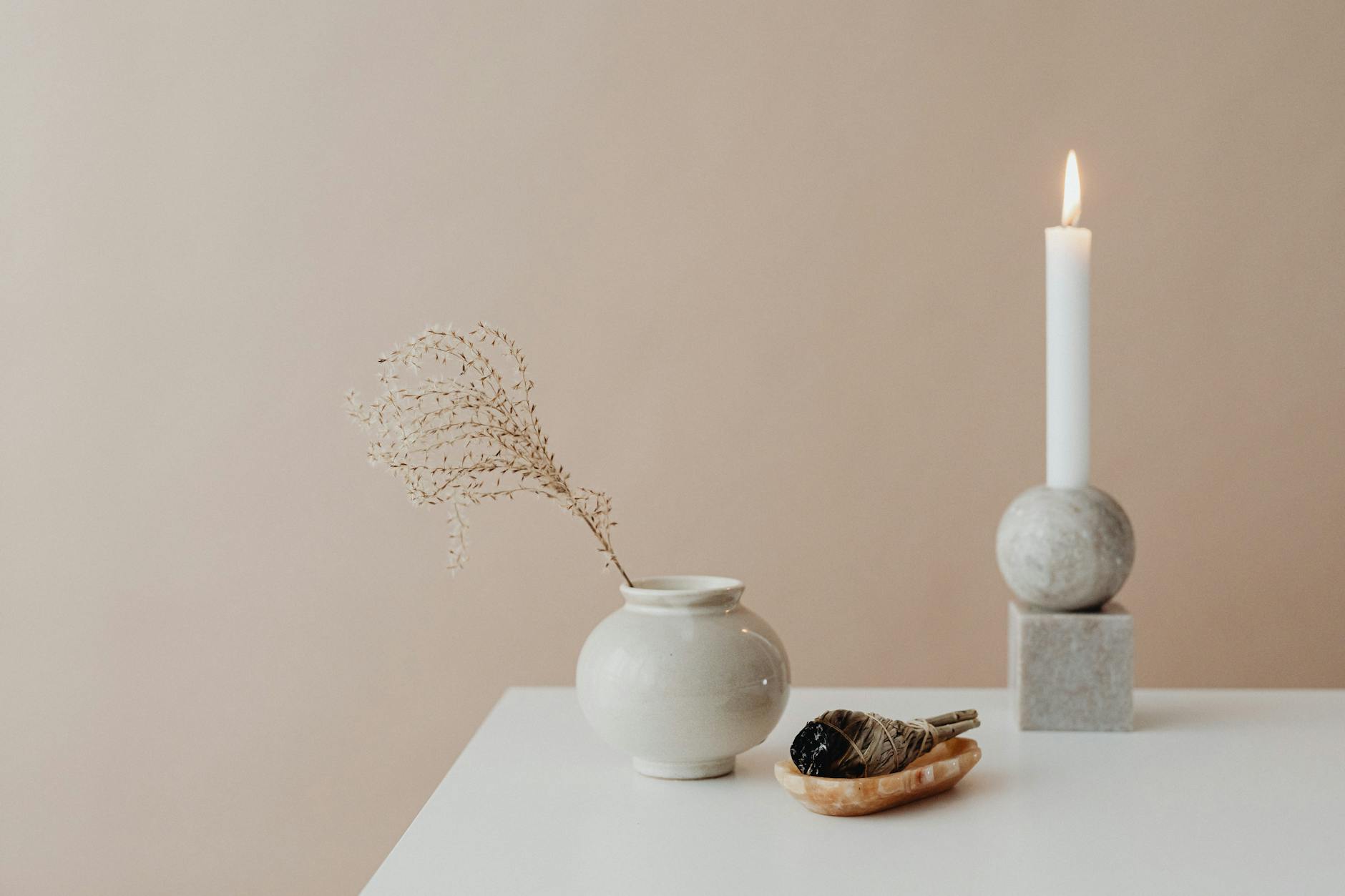
The Psychology Behind Muted Tones: Deconstructing the Sage and Cream Effect
We observe a distinct psychological response when manipulating the visual environment with specific color palettes. The **Sage and Cream Color Scheme** operates not merely as an aesthetic choice but as a deliberate calibration of the sensory input, directly influencing mood regulation and cognitive function within a space. This pairing bypasses the high-arousal effects of saturated hues, establishing an atmosphere conducive to deep rest and thoughtful engagement.
The mechanism at play involves the interplay between green and off-white. Sage, drawing from nature’s muted greens, activates the parasympathetic nervous system. This signals safety and tranquility, effectively lowering baseline cortisol levels in occupants. Cream, conversely, acts as a sophisticated neutral base; it diffuses light rather than reflecting harshness, softening shadows and creating an enveloping sense of warmth without introducing visual agitation. When these two tones are integrated, the resulting environment shifts from merely decorated to fundamentally restorative.
This is not accidental. The specific spectral qualities of muted earth tones resonate with evolutionary patterns where survival depended on observing subtle shifts in natural light and foliage. Our analysis suggests that environments mimicking this natural equilibrium reduce perceptual load. You spend less cognitive energy processing visual stimuli that demand attention, freeing up mental resources for deeper reflection or creative pursuits.
Analyzing the Components: Sage and Cream Deconstructed
To fully harness the impact of the **Sage and Cream Color Scheme**, one must examine the specific tonal values involved. Sage is inherently complex; it sits on the boundary between cool blue undertones and warm yellow earth tones, which prevents it from feeling sterile. This inherent complexity adds depth, preventing the scheme from collapsing into simple blandness.
Cream functions as the essential grounding element. It provides necessary luminosity without introducing the visual fatigue associated with stark white. Think of the difference between a crisp, clinical white and a soft, warm cream: the latter introduces a tactile sense of history and comfort. In practice, this translates to selecting textiles that possess a subtle, creamy texture, allowing the light to interact with the material in complex ways.
The successful implementation requires understanding tonal relationships. The ratio between the sage and the cream dictates the perceived mood. A higher proportion of cream allows the space to feel airy and expansive, ideal for smaller areas where visual breathing room is paramount. Conversely, increasing the depth of the sage component pulls the space inward, fostering a more intimate, cocoon-like feeling. We see this effect repeatedly in interior design research: controlling the value (lightness/darkness) against the hue (color family) dictates emotional response.
Establishing Spatial Flow: Applying the Scheme to Architectural Elements
Translating the theoretical impact of the **Sage and Cream Color Scheme** into a functional space requires an understanding of how these colors interact with physical architecture, surfaces, and spatial organization. The effect is amplified when the application addresses the flow between different zones in the home.
Walls and Textures: Setting the Foundation
The choice of wall treatment determines the initial psychological impression. Painting walls in a soft sage hue establishes the primary atmospheric tone. Consider how this color interacts with natural light exposure throughout the day. North-facing rooms, which receive cooler, diffused light, benefit immensely from the cool undertones naturally present in sage, enhancing their inherent serenity. South-facing rooms absorb more warmth; here, balancing the sage with warmer cream accents prevents the space from feeling chilled or overly muted.
Textural layering is where the scheme moves beyond simple painting and enters the realm of sensory experience. We move away from flat surfaces toward tactile depth. Incorporating linen fabrics, chunky knit wools, or raw silk throws introduces the necessary tactile variance. These textures catch light differently, adding dimension to the cream base and providing a rich counterpoint to the matte quality of the sage paint. This layering process engages the sense of touch alongside sight, deepening the feeling of coziness.
Furniture and Accents: Anchoring the Palette
Furnishings serve as the anchors for the entire scheme. Selecting pieces in natural materials—such as aged wood, woven rattan, or matte ceramics—reinforces the organic connection established by the sage and cream. Avoid highly polished, reflective surfaces unless they are deliberately used to introduce a specific, controlled sparkle; the goal here is absorption, not harsh reflection.
When selecting larger items, such as sofas or rugs, the scale must respect the muted nature of the palette. Oversized, plush seating in cream invites occupants to sink in and relax, directly supporting the slow living ethos this scheme promotes. This is where spatial planning becomes critical; maximizing the visual rest offered by the color requires thoughtful arrangement of objects.
Maximizing Functionality: The Role of Vertical Space
In spaces where square footage is limited, optimizing the perception of space becomes an active design strategy. When employing a softer palette like Sage and Cream, manipulating vertical lines can enhance the sense of openness. Utilizing vertically oriented elements, such as tall, narrow shelving or carefully placed textiles that draw the eye upward, manipulates the perceived height of the room. This visual manipulation counters any potential feeling of compression that dense colors might induce. We see this principle clearly when considering solutions for small living areas; effective use of vertical space creates an illusion of greater volume within confined boundaries. For instance, implementing smart storage solutions can free up floor space, allowing the cream and sage to breathe without feeling cluttered.
Integrating Light: Sculpting Atmosphere with Illumination
Lighting is perhaps the most potent tool for activating the latent potential of the **Sage and Cream Color Scheme**. The quality of light dictates whether the room feels restful or merely dim. We must shift away from singular, harsh overhead illumination toward layered, warm-toned sources that mimic natural daylight cycles.
Temperature and Intensity: The Kelvin Scale
The color temperature of your light source is a direct determinant of the scheme’s success. For this palette, we advocate for bulbs operating in the 2700K to 3000K range. This warm spectrum mimics the soft glow of incandescent bulbs or late-afternoon sunlight, actively promoting relaxation by stimulating melatonin production. Cooler, bluer light, typically above 4000K, introduces an alertness that fundamentally clashes with the calming intent of Sage and Cream.
Intensity must also be modulated. Brightness should never feel clinical; it needs to be diffused. Employing dimmers across all fixtures allows occupants to manually control the intensity, enabling transition from active tasks to passive relaxation seamlessly. Layering light sources is essential here. Relying on a single central fixture creates harsh shadows and limits atmospheric depth. Instead, integrate floor lamps with soft shades and table lamps to create pools of warm light across different zones of the room.
Ambient Lighting Mechanisms
Ambient lighting should be indirect; it functions to bathe the space rather than spotlight specific objects. This indirect approach is crucial for mitigating the visual weight that heavy color choices can sometimes impose. Imagine a diffused glow emanating from hidden LED strips behind furniture or uplighting on textured walls. This technique allows the sage and cream tones to exist in a harmonious, enveloping field.
The interaction between light and texture becomes amplified under this carefully managed illumination. A soft, warm light grazing a chunky knit throw highlights the three-dimensional quality of the fabric, making the tactile experience richer. This mechanism transforms a simple color scheme into a truly immersive sanctuary. We observe that when light sculpts shadow gently, the environment feels intentional, deeply cozy, and profoundly peaceful. The visual experience becomes one of gentle transition rather than abrupt contrast.
Tags: sage and cream, neutral colors, cozy decor, earthy home, minimalist design, calming colors, slow living
Featured Image by www.kaboompics.com on Pexels.